

Dallas is in northern Texas. Here, in the heart of the state, it is known for its variable climate. The city is characterized by mild winters, followed by hot summers, often accompanied by droughts. Read more on dallas-name.
This weather has a significant impact on the development of agriculture in the region. Despite these peculiarities, local farmers continue to operate. Each season, they have to adapt to the next climate change.
Features of the Dallas climate
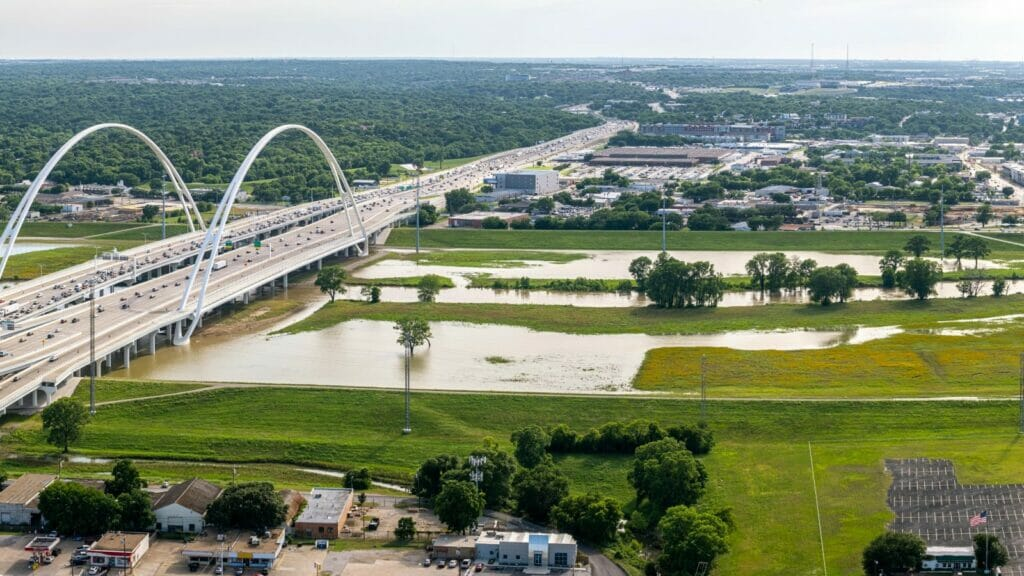
Dallas has a humid subtropical climate, which is typical for the southern plains of the US. That’s why the city traditionally has mild winters and rather hot summers. But each season has additional features.
In winter, the city constantly surprises its residents with sharp temperature changes. In December, January and February, thermometers often reach 24.8-29.9°C during the daytime. However, such a temperature increase can be observed for only a few days, as this warm wave is usually followed by a cold snap. The rapid drop in temperature in Dallas is characteristic of a phenomenon called the Texas Nor’easter.
During it, the thermometer can drop from -12 to -6°C. This temperature is considered abnormally low for the city. Another feature of winter in Dallas is freezing rain. It occurs when warm and humid air from the south collides with a cold and dry stream, creating dangerous ice on the roads.
In general, according to data from 1991 to 2020, the average daytime temperature in Dallas in winter is 14.3°C.
Weeks when the thermometer does not drop below 38°C are a common occurrence in Dallas during the summer. At these moments, it seems to the citizens that the period of intense heat will never end. This temperature is due to the geographical location of the city. In summer, Dallas is simultaneously affected by hot, dry air from the southwestern deserts and warm, humid air from the Gulf of Mexico.
The average temperatures of the summer months also indicate the intensity of this time of year. In summer, the average daytime temperature reaches 36°C, and the nighttime temperature is 25°C. However, meteorologists and climate change researchers note that Dallas is experiencing a global warming trend. The hottest seasons in the region were recorded in 1980, 2011, 2022 and 2023.
The impact of climate on agriculture in the region
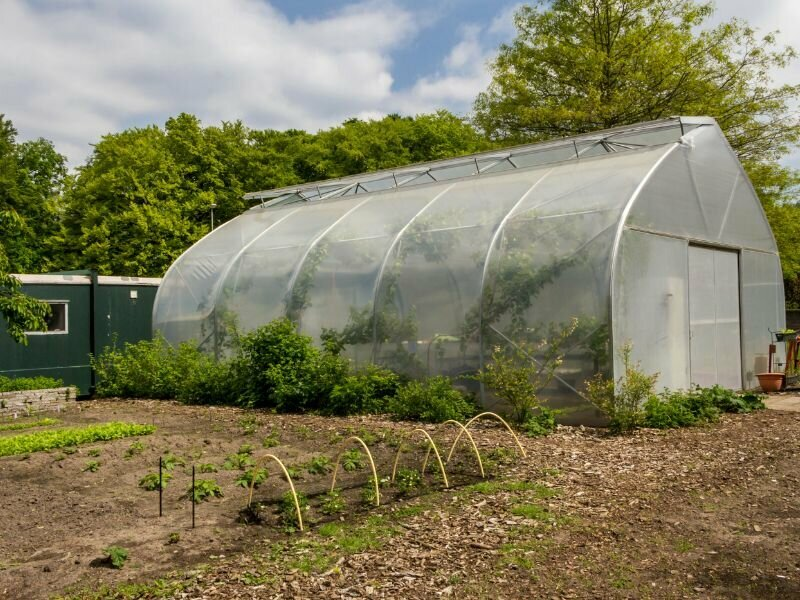
In recent years, Dallas has been facing serious challenges due to a prolonged drought. For the first time in 2011, the state of Texas recorded a historic minimum of precipitation, only 14.8 inches. Since then, abnormally high temperatures have contributed to evaporation, causing water levels in rivers and lakes to drop significantly. This problem is particularly acute for agriculture. Local farmers are suffering from a number of climate change-related consequences, as their businesses are literally collapsing before their eyes.
The heat and drought have led to a significant drop in the region’s harvest. This, in turn, led to higher food prices. While supermarket shelves and farm produce still delight citizens, some families are now refusing to buy seemingly obvious items.
Animals are also suffering due to water shortages and lack of feed. If livestock continue to lack free access to drinking water and the grass they need, they will become emaciated. This will lead to a decrease in the number of livestock, as well as affect the production of milk, meat and other livestock products.
In addition, the heat wave in Dallas has increased the incidence of fires. Dried fields with various crops, meadows and forests have become highly flammable. Any spark can cause a fire.
Preserving crops in dry conditions
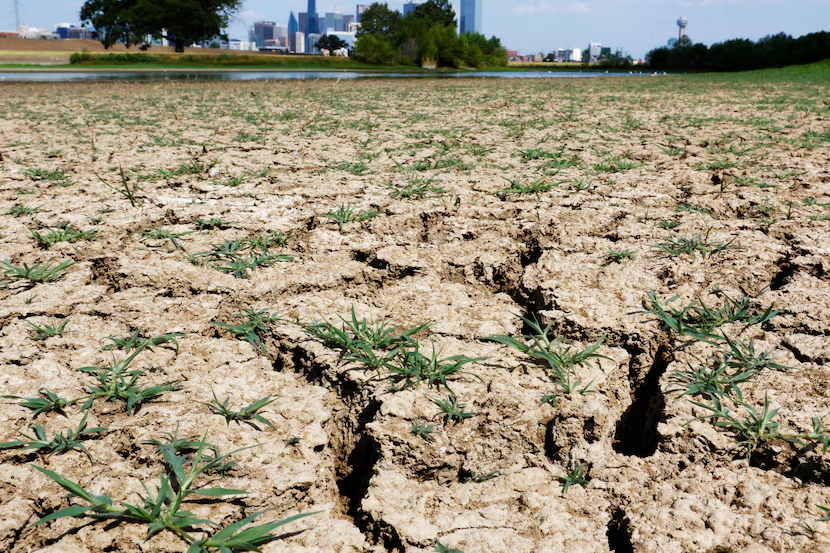
The lion’s share of the work to preserve the region’s crops is being done by researchers at the University of Texas in conjunction with A&M AgriLife. For several years now, they have been conducting research to help local farmers and ranchers mitigate the impact of climate change on their operations. Among the options they propose, the most appropriate seems to be the introduction of sustainable practices. For example, one of them is precision agriculture.
The specificity of precision agriculture follows from its name, the use of precise and correct amounts of resources. This means a conscious approach to the use of water, fertilizers, pesticides, etc. This will involve the massive use of advanced technologies to check soil moisture, optimize irrigation and reduce waste. Precision farming should ensure an increase in productivity and yields.
In addition, precision farming should actively integrate artificial intelligence and machine learning, which will also help predict yields and optimize costs. With this approach, farmers will be able to reduce costs while preserving natural resources and at the same time improve product quality, which is especially important to meet the growing demand for food in the world.
The city authorities are also trying to preserve the harvest in the region in every way possible. It is known that dozens of projects aimed at solving the problems of farmers and agrarians have already been launched on its initiative. Some of them even include cooperation with scientific institutions to develop varieties of agricultural plants that are resistant to global warming. One of the best examples of how local authorities support agriculture is the WE Over Me Farm. It deserves our special attention.
The unique WE Over Me Farm
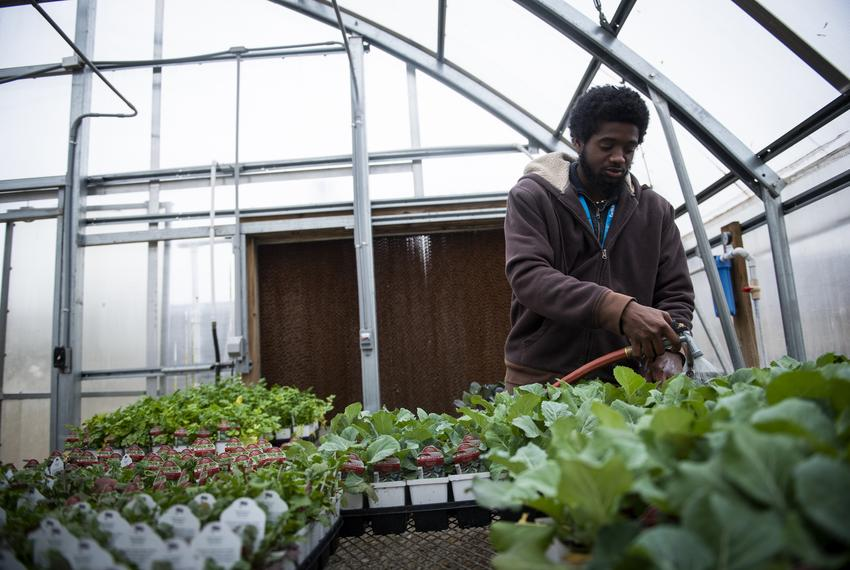
In March 2010, the Dallas-based Paul Quinn College, with the support of the city government, decided to turn its football field into a farm. By doing so, the school’s management and students decided to show their commitment to those people who are fighting to overcome the effects of global warming on agriculture.
The area where the college is located, namely the southern sector of Dallas, has been called a “food desert” for more than 50 years. It was almost impossible to find fresh and high-quality food there. It was the project of the farm on the football field that became the first step towards changing the life of the community for the better. All the work at WE Over Me Farm is done by dedicated students and staff of Paul Quinn College. Together, they cultivate the land, plant seeds and even harvest the crops. This way, the project not only helps to fight global warming and drought but also to conduct necessary educational programs.
Between March 2010 and December 2024, WE Over Me Farm produced nearly 14 tons of organic produce. Traditionally, 15% of this harvest was donated to various charitable services, and the rest was equally divided between the townspeople and college students.
In 2021, a unique Dallas farm began working with Legends Hospitality. Together, they launched a campaign to encourage local people to change their eating habits and lifestyles to preserve the environment. The products grown at WE Over Me Farm can also be seen during Dallas Cowboys games.