Oil—often called “black gold”—is one of the world’s most valuable natural resources. It remains a key source of energy for industries, transportation, and countless other sectors. Moreover, global demand for crude oil continues to grow in the 21st century. Dallas is well known for its rich oil fields, which once played a major role in the city’s economic growth and development. Today, we’ll take a closer look at one of the largest oil fields in the U.S., located not far from Dallas—East Texas. Learn more about it on dallas-name.com.
What We Know About the East Texas Oil Field
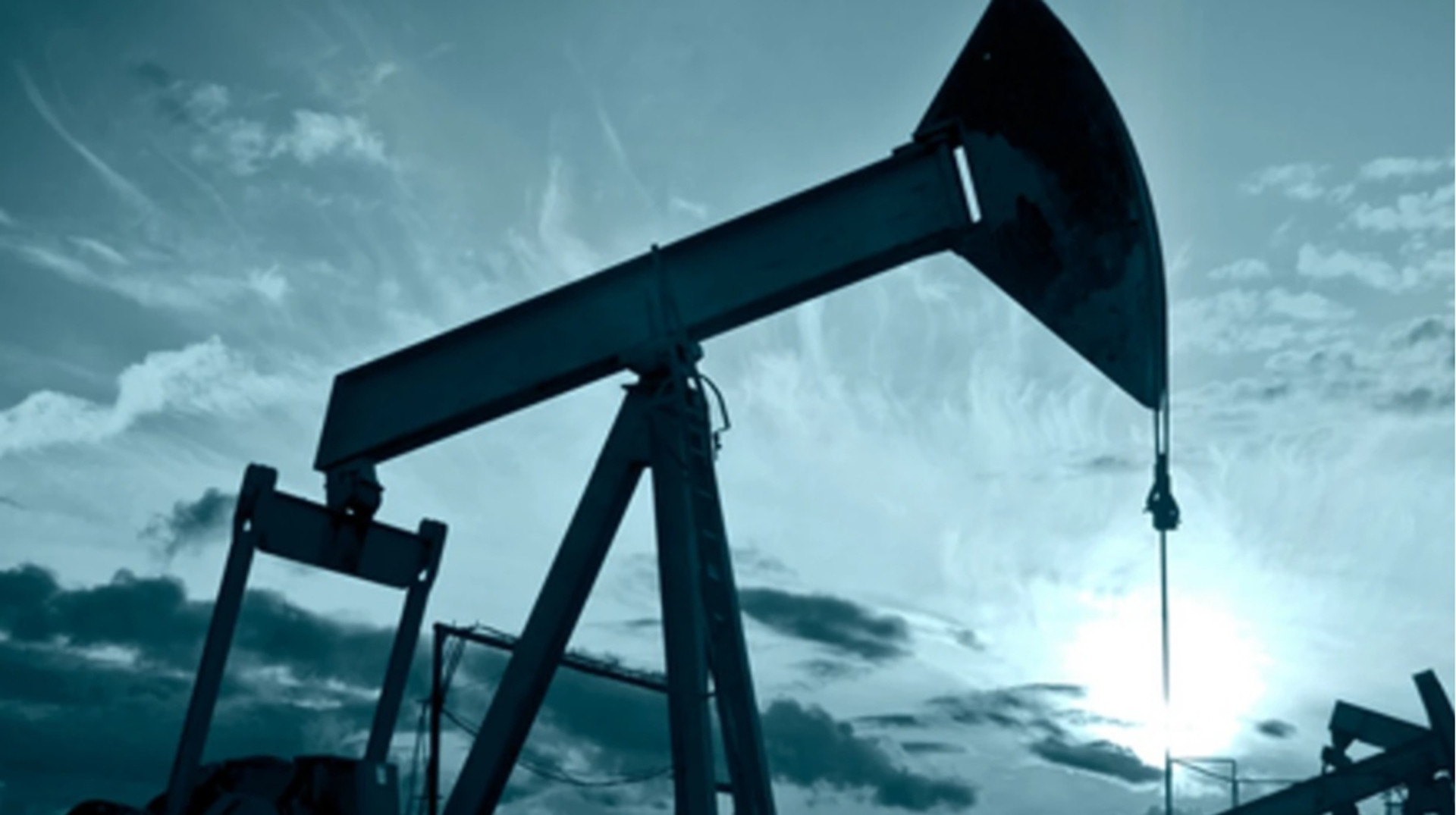
The famous East Texas Oil Field was discovered in the early 20th century. Oil exploration in Dallas and its surrounding areas began back in 1911. At that time, drilling reached only a few hundred meters deep, but due to technical limitations, deeper wells were not feasible. As a result, many investors went bankrupt because the oil lay far beneath the surface.
Everything changed in 1930, when driller Columbus Marion “Dad” Joiner and geologist A.D. Lloyd achieved a breakthrough with the “Daisy Bradford No. 3” well, reaching a depth of 3,539 feet (1,078 meters). This event marked the beginning of a massive oil boom in East Texas—one that would transform the region’s economy.
The East Texas field covers over 220 square miles (570 km²) and includes more than 30,000 wells, both active and historic. It quickly became one of the largest oil-producing regions in the United States, playing a crucial role in the nation’s energy history.
Experts estimate the field’s reserves at over 5 billion barrels of recoverable crude oil. On average, new wells in the field produce about 500 barrels per day. The crude oil extracted here is typical of the Texas region—light, low-sulfur (under 0.5%), and of high quality, making it ideal for refining into various fuels and petrochemical products.
The reservoir formations are primarily sandstone, known for their excellent porosity, which supports high production rates and strong well performance.
Development of the Field in Modern Times
The production peak of the East Texas field occurred around 2015, when daily output reached approximately 20 million barrels. However, by 2023, production had declined to about 5 million barrels per day.
Today, the field continues to evolve through the use of advanced technologies. Key development strategies include hydraulic fracturing (fracking) and horizontal drilling, which boost well productivity and help recover additional oil and gas. Real-time digital monitoring systems are also used to ensure precise control of drilling and extraction processes.
Furthermore, the field has adopted Enhanced Oil Recovery (EOR) techniques, which involve thermal and chemical methods to increase the total amount of oil extracted from the reservoirs.
It’s no secret that oil remains one of the most valuable resources in the modern world. It shapes national economies, influences political and geopolitical power balances, and drives both exports and imports for many countries.
The United States continues to be the world’s largest oil producer, pumping about 17.8 million barrels per day. America not only leads in production but is also among the world’s top oil consumers. Other major producers include Saudi Arabia, Russia, and Canada.
That wraps up our overview of the East Texas Oil Field. We hope you found this article informative and that it helped you learn more about the rich industrial history near your hometown.