Dallas is one of the largest cities in the United States, located in the state of Texas. This city is known for its oil fields, which in the last century dramatically transformed the region’s economy. However, today we’ll talk about the climate and agriculture of Dallas. Read more about it on the website dallas-name.com.
Climate Features
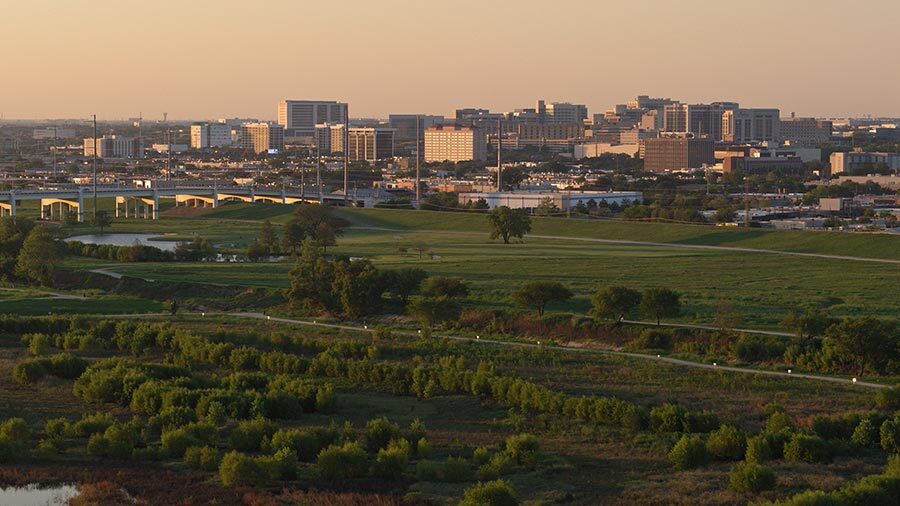
Our city is located in the northeastern part of Texas. Dallas has a humid subtropical climate characterized by hot summers and mild winters. The average annual precipitation is about 882 mm (34.7 inches), with most of it falling during the spring months. Summers in the metropolis are extremely hot — the average temperature in August ranges from 86°F to 95°F (30–35°C) and often exceeds 104°F (40°C) on the hottest days. Winters are mild, although short periods of freezing temperatures down to 5°F (−15°C) and occasional snowfall are possible.
This type of climate makes the city and surrounding region ideal for various types of agriculture. Texas, in fact, is one of the leading agricultural states in the U.S., and Dallas supports local producers through modern agrotechnologies, irrigation systems, and soil protection programs.
What’s Grown in Dallas
As you might guess, agriculture is an active sector in and around our city. Local farmers grow corn, wheat, tomatoes, peppers, onions, and melons. When it comes to fruit, Dallas has an abundance of citrus fruits, apples, pears, cherries, and more.
In addition, soybeans and cotton are cultivated here. The region also develops livestock farming, including cattle and poultry.
It’s worth noting that local farmers are adapting to climate change, which negatively affects crop yields. In Dallas and nearby areas, there has been an increase in extreme weather events — sharp temperature fluctuations, droughts, and unexpected frosts in late spring. All of this reduces yields and, consequently, profits. Furthermore, reduced winter precipitation and lower soil moisture levels have negatively affected corn production. For that reason, local agricultural producers are applying advanced technologies and agronomic practices to maintain field productivity.
About Floods
From time to time, natural disasters occur in Dallas and across Texas, particularly floods. For instance, a severe flood hit parts of Texas from July 4 to 7, 2025, caused by prolonged rainfall triggered by Tropical Storm Barry. This led to a sudden rise in the Guadalupe River’s water level — the river rose by nearly 8 meters (26 feet) in just 45 minutes! According to official reports, 129 people died in this tragedy, and 160 others were reported missing.
Heavy rainfall began on the morning of July 4, and over 170 mm (6.7 inches) fell within three hours. However, the National Weather Service only sent SMS alerts instead of using the integrated public emergency notification system. As a result, the flood caught many people asleep. The largest number of casualties and missing persons occurred at a girls’ summer camp, Camp Mystic, in Hunt County, where riverside bungalows were swept away by the water.
Floods also struck Dallas and the surrounding region in 1987 and 1988, claiming dozens of lives.
The Dallas area, especially near rivers, faces a high risk of flash floods due to its geographical features — steep hills and clay soils, which cause rapid water runoff.
Climate change is happening across the planet. This leads to catastrophic consequences — heavy rains, tropical storms, snowfalls, and droughts. That’s why it’s essential to protect the environment and preserve nature. We have only one planet, and we have no right to destroy it through careless behavior.
We hope this article was informative and helped you learn more about our city and its surroundings.