

It is impossible to imagine a happy life in a house if it is cold. It has long been believed that well-being comes only where there is warmth. After these words, most people will naturally think about human relationships. However, this time we are going to talk about the heating systems in the city in the last century. Follow us on dallas-name.
Why didn’t every house have heating systems?

Since the climate of Dallas has long been known for mild winters, most households managed without powerful heating systems. Instead of the usual wooden or coal stoves of the time, some families continued to use fireplaces.
In the 1920s, fireplaces were not only a source of warmth but also an indispensable part of family comfort. The tradition of gathering around the fire had long united Dallas families. However, the effectiveness of the fireplace’s main purpose still raised a number of doubts. Much of the heat went outside through the chimney, so the owners had to constantly add firewood. As a result, they could neither enjoy the warmth nor relax after a day’s work.
Therefore, mobile gas heaters replaced fireplaces. They were simple and economical to use and provided enough heat to periodically maintain the required temperature in the house. This type of heating was mainly used by families without small children who did not need to heat their homes regularly.
Heating with stoves
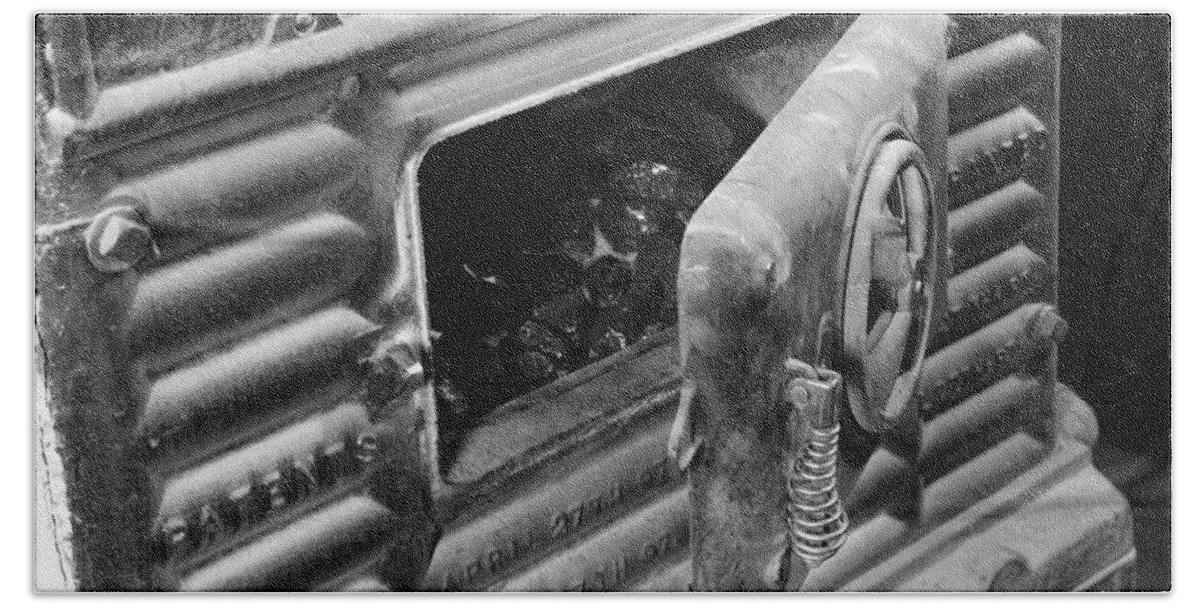
Obviously, not all households could live without proper heating. Some families had to keep the temperature up because of small children, and some simply did not like it to be cool at home. In such cases, most of the townspeople of that time used stoves. The advantages of this type of heating included the following features:
- Fast heating. The stoves were able to heat the room quickly and efficiently.
- Affordability. It was not necessary to spend a lot of money to install a stove in the house. For example, installing a heat pump system was more expensive.
- Durability. In terms of operation, the average service life of the stoves ranged from 15 to 30 years.
However, even this seemingly ideal option had certain drawbacks:
- Dependence on fuel. Since the stoves were powered by wood, gas and any other fuel, this made the owners dependent on their cost.
- Mandatory maintenance. Each furnace had to be inspected regularly because the slightest problem with ventilation could lead to a leak of carbon monoxide.
- Environmental impact. Even though in the last century the townspeople were not very concerned about the environment, some of them were still aware of the emissions caused by heating with stoves.
Heating with heat pumps
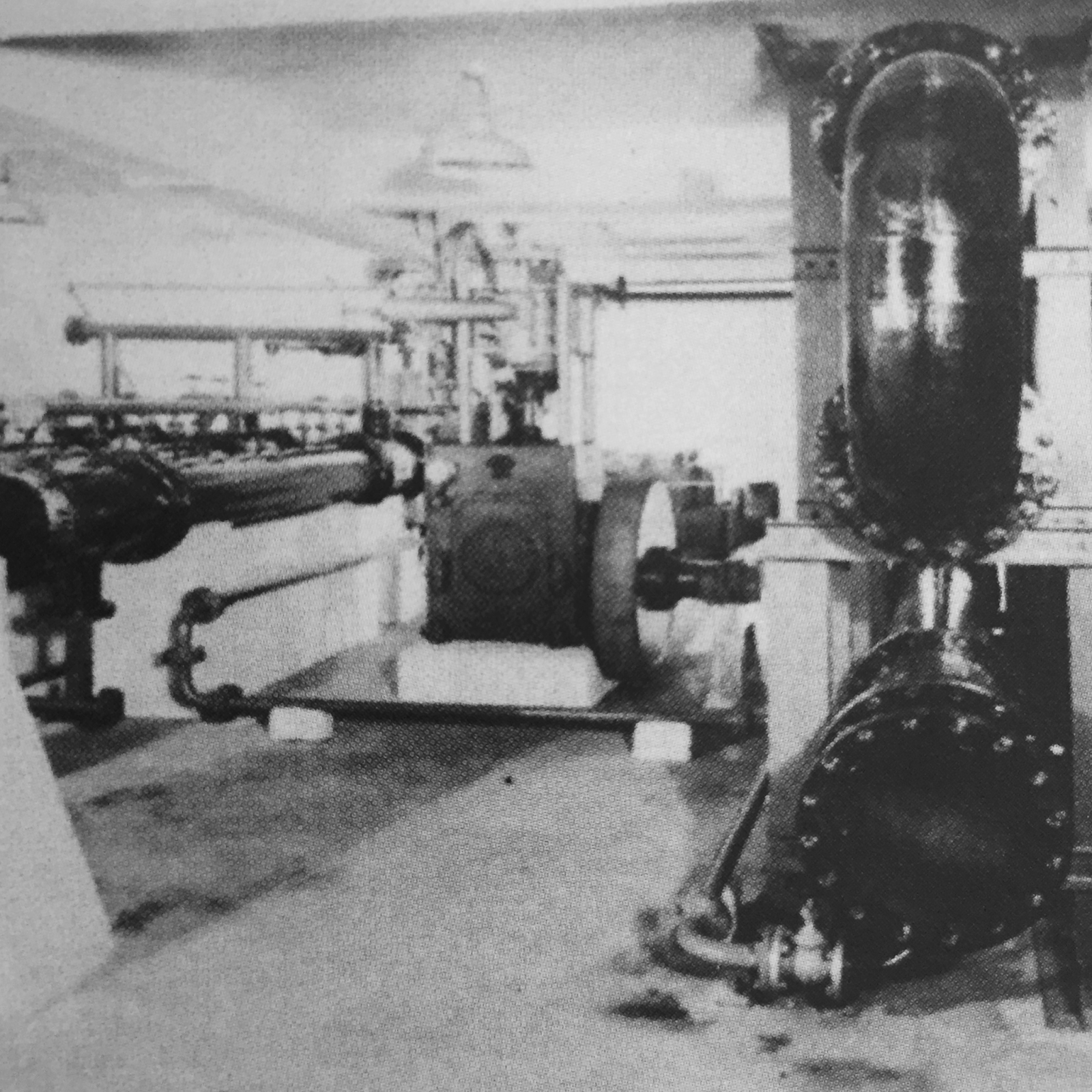
Warm winters and extremely hot summers have led to the need for devices not only for heating but also for cooling in Dallas. Thus, citizens began to install heat pumps in their homes. These systems worked in such a way as to extract heat from the outside air and transfer it to the premises to provide sufficient heat in winter. During the cooling mode, the process was reversed: the pumps removed the warm air from inside and pushed it out.
Compared to the stove system, heat pumps immediately offered significantly higher energy efficiency. Therefore, households with heat pumps paid significantly lower electricity bills. In addition, citizens noted that heat pumps were safer. They did not depend on the combustion of fossil fuels, so the risk of carbon monoxide leakage was also significantly lower.