

James Chen is a Chinese-American scientist and professor of molecular biology at the University of Texas Southwestern Medical Center (UTSMC). For many years, his work has been focused on researching the most important problems of society, including oncology, autoimmune disorders, infections and others. In addition, the researcher is interested in the field of reproductive health, in which he has already made some achievements. Read more at dallas-name.
Biography of James Chen
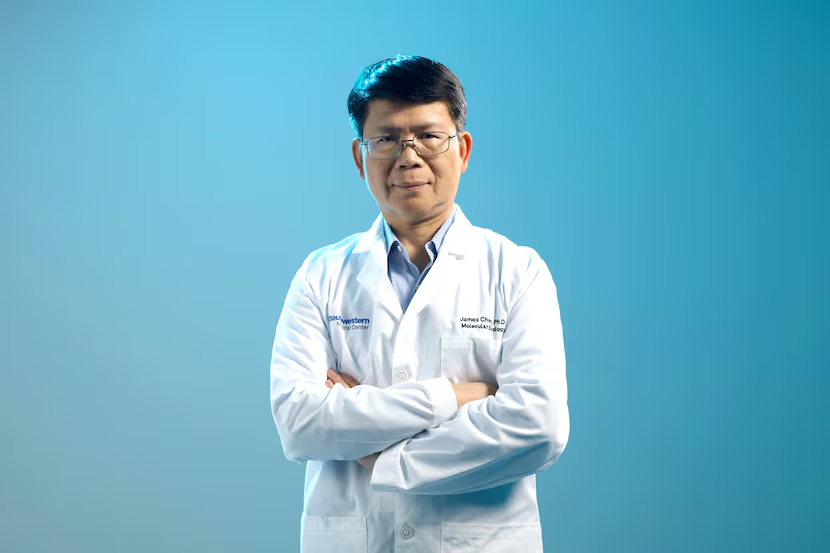
Zhijian (or James, as he is also called) Chen was born in a village in Fujian Province. He and his two brothers were mostly raised by his mother, as his father had to live in another city because of work. The lack of parental attention did not affect James’ motivation and self-discipline. From childhood, he was responsible for his studies and was the best among his peers.
In 1981, J. Chen graduated from high school in Anxi and entered Fujian Normal University. It was there that the future scientist began to take his first steps on the path to amazing research. At first, he was lucky enough to win an overseas scholarship that he could use to enter the State University of New York at Buffalo. Taking advantage of this opportunity, J. Chen earned a degree in biochemistry from the University.
The career of a Chinese-American scientist
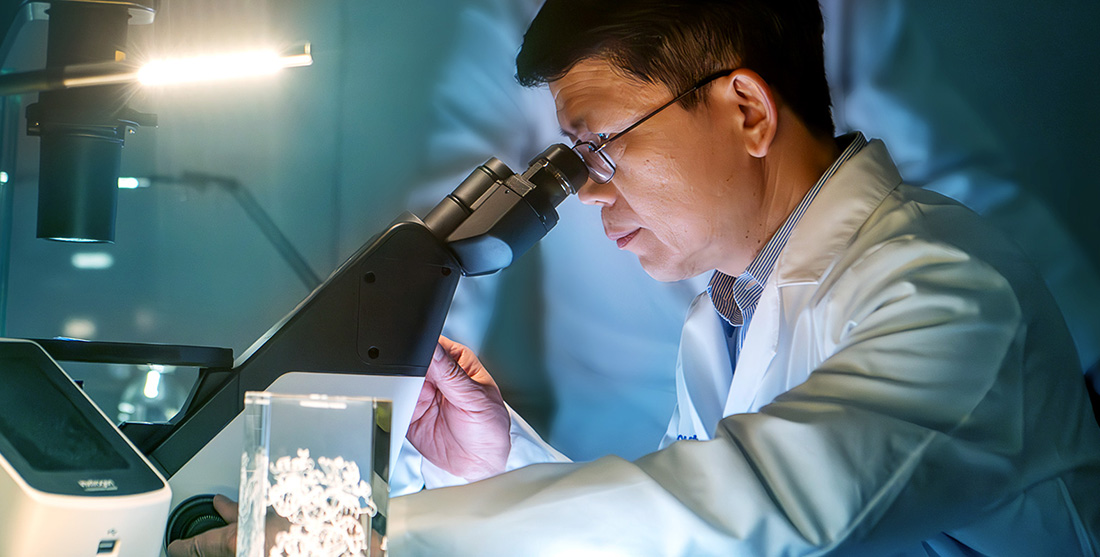
After graduation, J. Chen began working as a researcher at Baxter Healthcare, a multinational medical company in Irvine. After that, he was offered a position as a senior researcher at ProScript, a Cambridge-based company. During his three years of work, J. Chen developed and improved a drug aimed at treating oncology.
At ProScript, the talented scientist also had to work with molecular biology, so he began researching ubiquitin, a highly conserved small regulatory protein. For a long time, J. Chen collaborated with Harvard University scientist Tom Maniatis.
In 1997, J. Chen left his position at ProScript after realizing that his research on ubiquitin would be of more interest in scientific circles. In this regard, the researcher moved to Dallas, where he opened his own laboratory at the UTSMC.
Award for fundamental medical research
In 2024, J. Chen was honored with the esteemed Lasker Award, widely regarded as a pinnacle accolade in the realm of medical sciences. This Dallas-based researcher was lauded for his groundbreaking investigations into the intricacies of the immune system. Alongside this recognition, he was granted a monetary reward amounting to $250,000.
In 2012, J. Chen and his team unveiled the enzyme cyclic GMP-AMP synthase (cGAS). It’s a pivotal molecular component in immune defense, the onset of autoimmune disorders and innovative therapeutic approaches, including cancer immunotherapy. Researchers identified cGAS as a cellular sentinel, a biochemical detector that initiates the synthesis of signaling molecules to stimulate immune activation upon recognizing the presence of DNA within the cytoplasm. This groundbreaking revelation has since laid the groundwork for an array of subsequent scientific inquiries.
Most of the scientists who have already been awarded the Lasker Award go on to win the Nobel Prize. It is said that J. Chen also has a good chance of receiving it later. However, the researcher himself does not comment on his awards. Instead, during each of his speeches, he emphasizes that society should not be indifferent to science. Chen is confident that the most important discoveries lie ahead for humanity, regardless of the number of prizes he receives.