

Borlaug was a famous phytopathologist who launched the Green Revolution. He worked on the creation of new species of grain crops, which helped save the world from famine. He got the Nobel Peace Prize for these investigations in 1970. Read more about the scientist’s achievements on dallas-name.
Early years
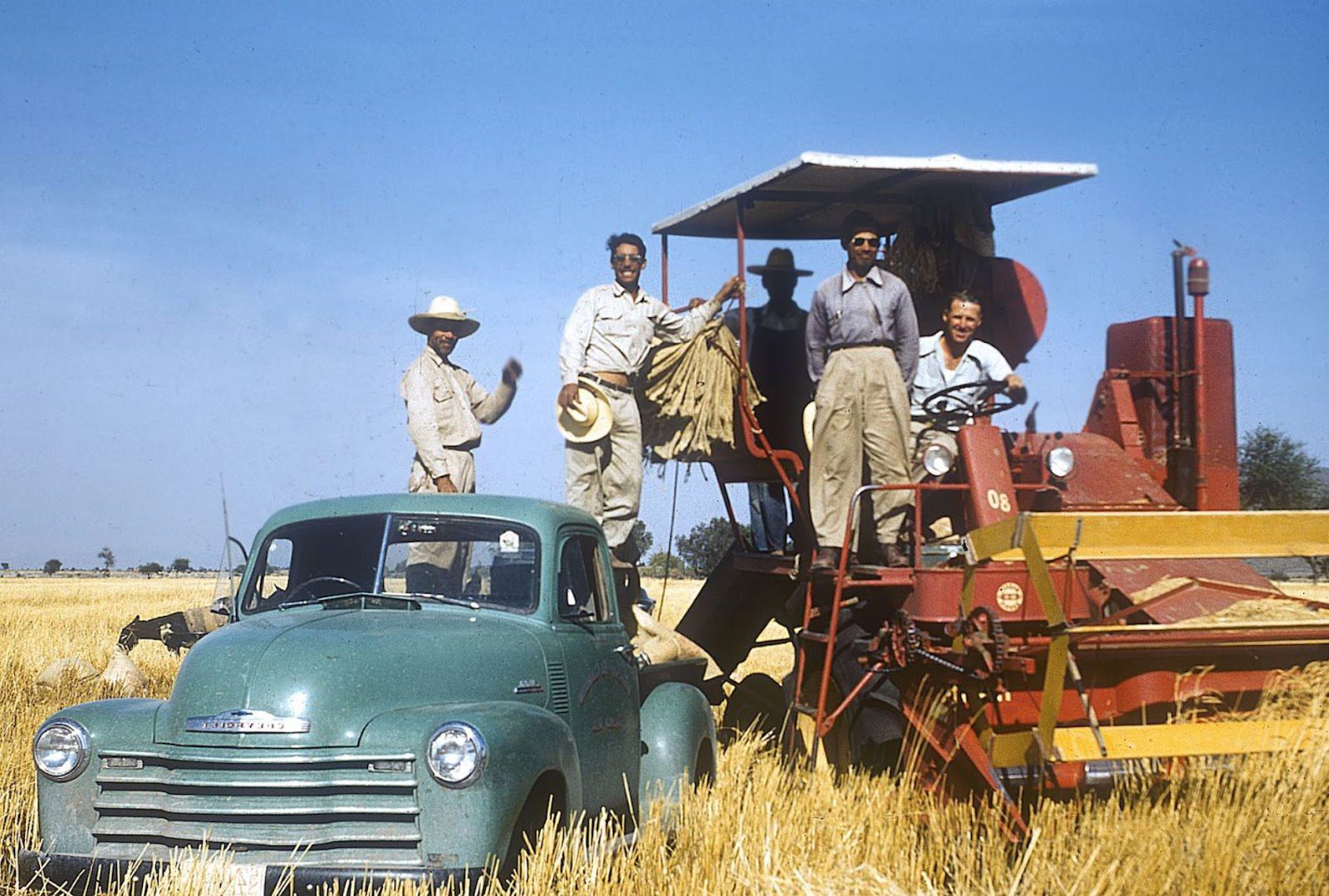
The future scientist was born on March 25, 1914 near Cresco, Iowa. From the age of seven, he started to help manage the farm and was engaged in agriculture and animal husbandry.
He received his primary education in Howard County. Then, he continued his studies in Cresco, where he demonstrated good sports achievements, especially in wrestling. Thus, he became famous for this throughout the state.
After graduating, his grandfather insisted that Norman continue his studies and not be stuck on the farm. Thus, he entered the University of Minnesota in 1933. After some time, a young man started to study forestry. He received a bachelor’s degree and went to work for the US Forest Service four years later. He was an employee at research stations in Idaho and then in Massachusetts and Connecticut. There, a young man learned the ideas of Elvin Stakman about breeding wheat to increase its immunity to rust. This fungal disease was one of the main threats to wheat fields in the US and all over the world. Later, Norman continued his studies and earned a PhD.
The creation of high-yielding wheat species
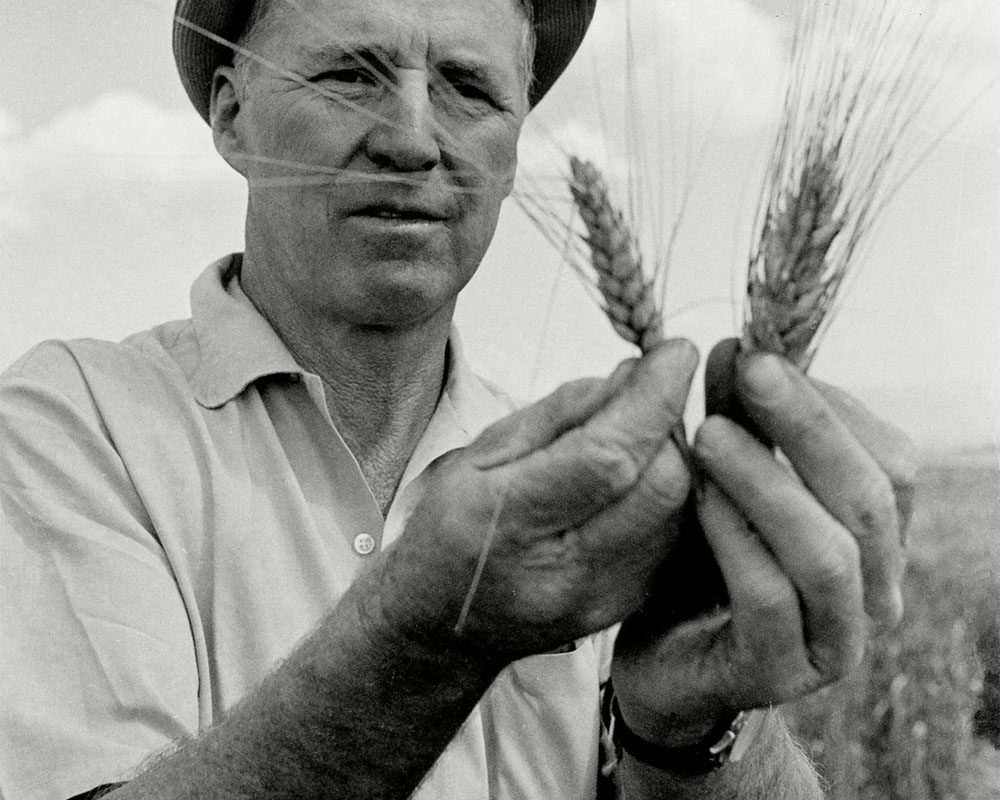
In 1944, Norman went to Mexico. There, he took part in a research program sponsored by the Rockefeller Foundation. Norman’s main focus was on creating wheat species resistant to stem rust.
In the end, the goals were achieved and new species combined with machine technology, fertilizers and pesticides made it possible to increase the yield tenfold and start the Green Revolution. The scientist was named its father.
Before the advent of these technologies, Mexico imported almost half of the volume of wheat. Afterward, the country could not only provide its citizens with grain but became an exporter in the 1960s. The United States also began to use these technologies, which made it possible to grow wheat for export as well.
Subsequently, an entire International Maize and Wheat Improvement Center (CIMMYT) was launched in Mexico, supported by the Rockefeller and Ford Foundations and local government. The management of the scientific center was headed by Borlaug. He worked here for the next 30 years and continued to pass on knowledge to young scientists, creating wheat and corn species for humanity.
How science saved India
When Norman Borlaug’s achievements became well-known, he was also approached by different governments to solve the problem of famine.
This was the case with India, which in the early 1960s found itself on the verge of mass famine. After conducting the necessary research, Borlaug created a new rice species, IR8, which was characterized by higher yields when grown with irrigation and fertilizers. Later, IR8 rice began to be grown throughout Asia.
In addition, new technologies made it possible to significantly reduce the varietal diversity of rice in India. Before, there were more than 30,000 species. Later, there were several dozen of the most productive species with good immunity.
Life’s end
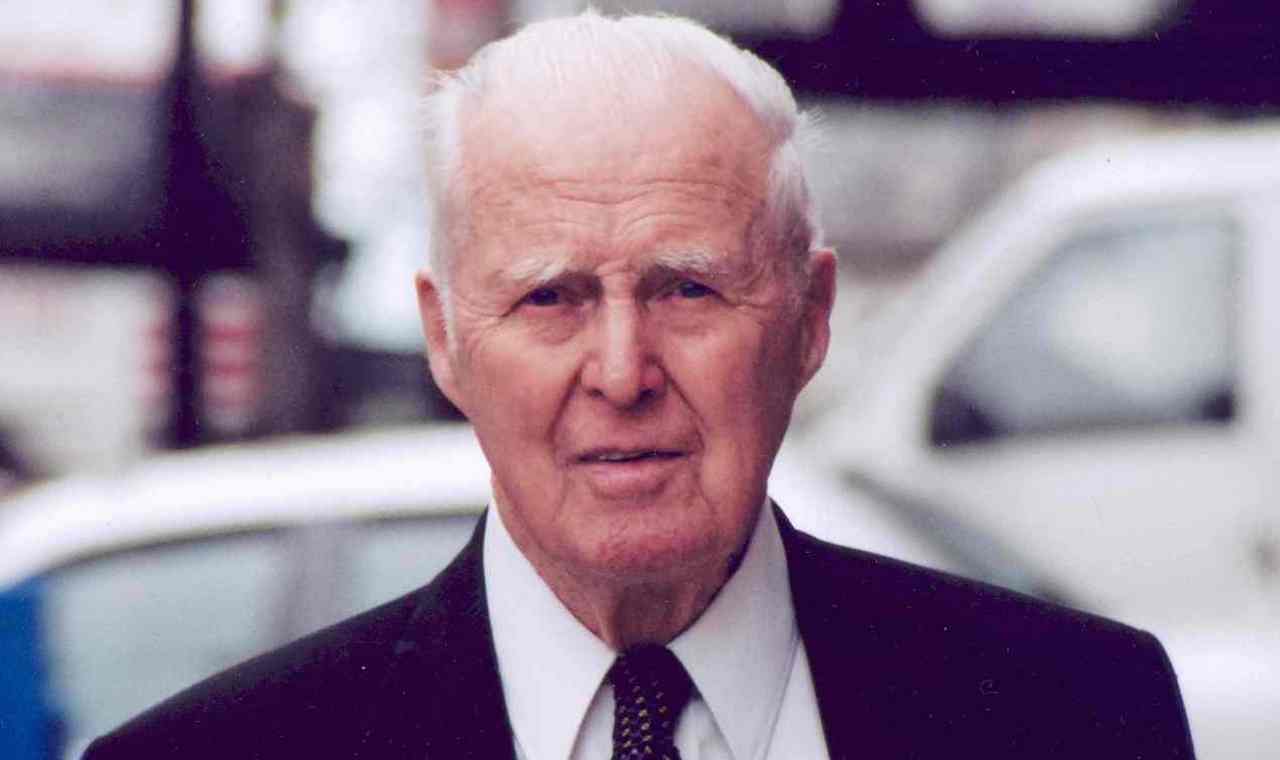
Borlaug spent his last years in Dallas. He did not stop scientific research until the very end. He worked four months a year at Texas A&M University. The biologist died at his house in Dallas from cancer complications.
