

When large cities run out of free land and there is a steady demand for fresh vegetables, fruits and herbs, an appropriate solution is to set up farms on the roofs of houses right on the central streets. Dallas Urban Farms was the one to use this method. Learn more about the farm at dallas-name.
Is it possible to grow plants without soil?
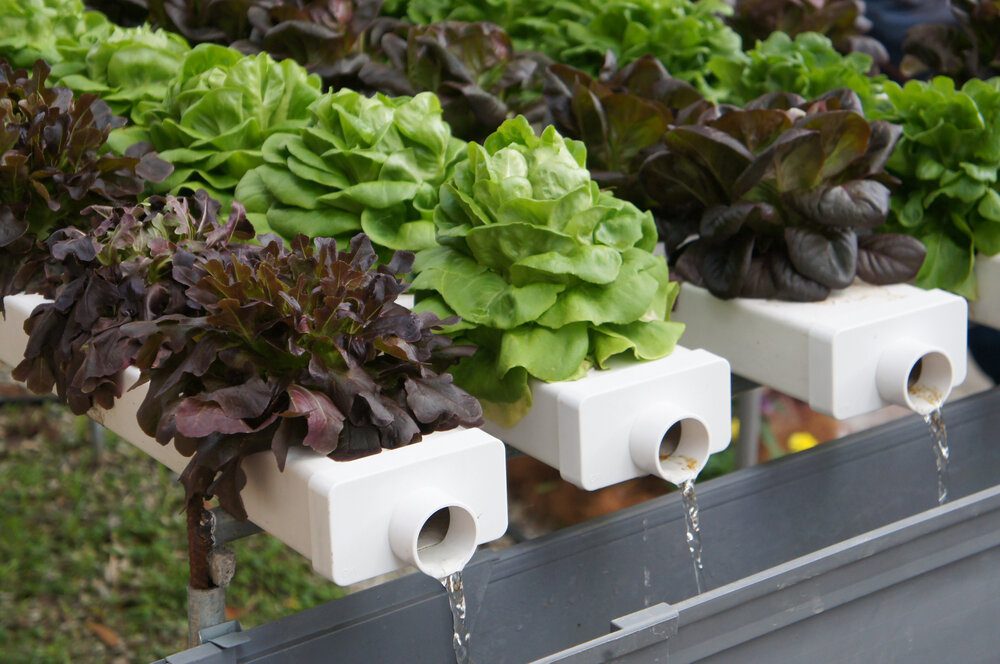
Aeroponics is a cultivation method in which plants are not planted in the ground but instead have their root systems suspended in the air, automatically irrigated with a nutrient solution. When growing plants using the hydroponic method, their roots are directly placed in a nutrient solution. The lack of soil helps to good root system aeration, direct distribution of all necessary components to the roots, up to 50% faster growth rates, higher yields and a lower risk of pests and diseases.
This method first appeared in the middle of the twentieth century, but it is only now that it is gaining popularity. This approach is relevant in large cities with dense populations or in areas with poor soils. Furthermore, since it allows you to grow plants in zero gravity, this method of cultivation is being intensively researched in the space industry.
History of Dallas Urban Farms
Dallas Urban Farms was founded by Jody Thompson and Max Wall. It all started when Jody grew interested in organic gardening and began growing her own vegetables right on the balcony of her apartment. The woman noted that hand-grown products tasted better than store-bought ones, and she was especially glad that no chemicals were utilized during their cultivation. Homemade vegetables and herbs helped Jody get in shape and improve her health, which prompted her to consider scaling the beds.
Then Jody and Max found an investor and signed a contract with the Deep Ellum property owner, Scott Rohrman, to erect vertical beds on the roofs of his buildings.
How are plants cultivated at Dallas Urban Farms?
Crop seeds are first put on seedlings in rock wool, and once the seedlings have grown a suitable number of leaves, they are transferred to a particular structure where they will continue to grow and develop.
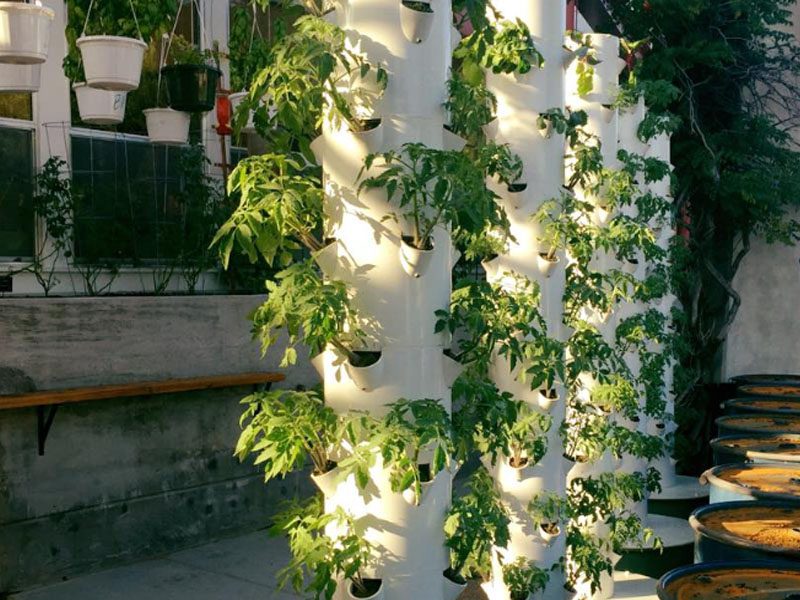
The vertical bed system is made up of several dozen towers that reach a height of 8 feet. Each one may accommodate up to 44 plants that develop in a nutrient-rich water or air environment where their roots are saturated with oxygen, nitrogen, potassium and all the other vital nutrients. The root chambers are closed, preventing sunlight and pests from entering. It does, however, allow fresh air to enter, ensuring that the roots receive enough oxygen to absorb nutrients.
You may produce any herbaceous crop this way, including tomatoes, radishes, onions, peppers, eggplants, zucchini, cucumbers, melons and a variety of salads and herbs.
Advantages of using aeroponics and hydroponics in farming
Jody points out that aeroponic technology allows you to use 90% less water than traditional agriculture. For example, growing a head of lettuce in the ground requires approximately 70 gallons of water, which this method can cut by up to three gallons. When growing organic products, this type of cultivation aids in avoiding the use of GMOs or pesticides. Furthermore, growing vegetables right in Dallas eliminates the need for additional transportation.
The ability to cultivate fresh fruits and vegetables without soil, indoors or outdoors, becomes not only advantageous but also necessary.