

Everbloom Fields is a small urban flower farm that became a family business that Sarah Jo and her husband Matt started following the birth of their daughter. Flower lawns may be found in Lancaster, which is located south of downtown Dallas, right next to the family home. Learn more about the hobby that grew into a business at dallas-name.
History of the farm’s foundation
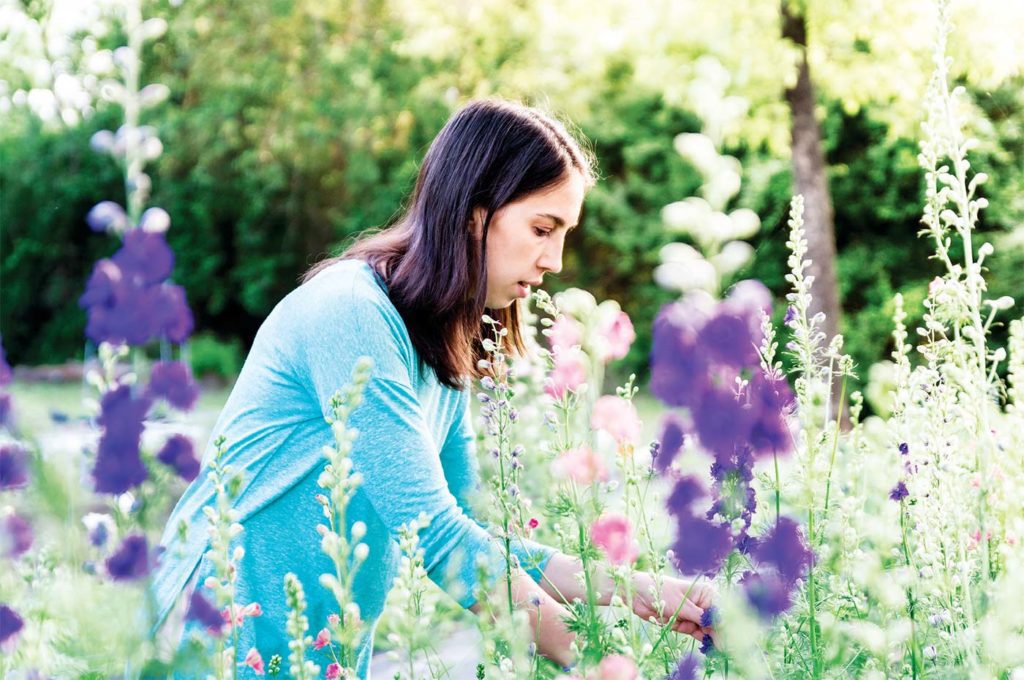
Sarah worked as a data analyst for a long time. However, following the birth of her daughter with special needs, who needed additional care, the woman had to leave her job. Instead, when Sarah made the decision to transform the land surrounding the house into a flower garden, a whole new world of opportunities opened up for her.
Before that, the woman had several small flower beds in which she grew zinnias and other decorative plants. Growing flowers brought her joy, so she decided to turn it into a business that would allow her to earn money while being close to her daughter.
Sarah first did a little research to see which varieties grow well in Dallas. Then, she attended several seminars, which allowed her to develop a strategy for launching her own business.
However, like any other business owner, Sarah encountered a number of challenges. The first one is that the plot is roughly one-eighth of an acre in size. As a result, she had to think carefully about how to use the space effectively to grow a large number of flowers while also positioning them so that they did not interfere with each other’s development.
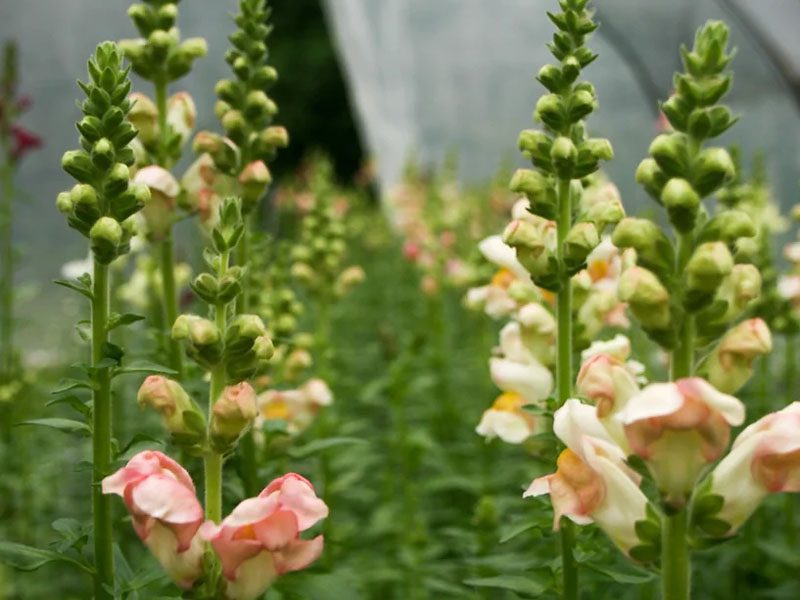
Studying plant growth environments and how the weather affects them was another challenge because planting at the wrong time or in the wrong conditions may result in the death of a flower. However, over time, the couple acquired the necessary knowledge, which allowed them to move in the right direction.
At the beginning of her journey, being enthusiastic, Sarah tried to produce as many different plants as she could. However, she later narrowed her crop selection to those that have high yields, do not require complex care or are very valuable for sale. After all, as previously stated, the plot is small, and in addition to cultivating flowers, she needed time to raise and care for two of her children.
The greenhouse proved to be the most profitable investment
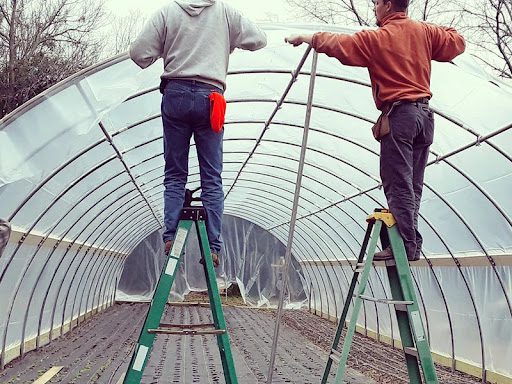
In order to guarantee optimal conditions and prolong the plant growth season, Sarah and Matt constructed a 1,700-square-foot tunnel greenhouse on the property. The couple made this decision after planting ranunculus plants in their first year of farming and covering them with agrofibre, which did not help the plants survive the winter. Despite the fact that building such a huge greenhouse was expensive, Sarah decided to take a risk and plant twice as many ranunculus bulbs. In the first year, earnings from their sale helped recoup half of the cost of the tunnel.
Today, in addition to ranunculus, many other plants grow in the greenhouse, all of which bloom continuously.
What is life like at the flower farm throughout the year?
The season from March to August sees the most abundant and diverse blossoming. Ranunculus and anemones bloom first, followed by poppies and snapdragons, which are replaced by sunflowers, zinnias, geraniums and chrysanthemums in the last month of summer. In the fall, the farm begins to prepare for the new season. To do this, the owners remove old flowers, dig up the soil, apply fertilizer, aerate the soil so that it does not condense and plant flowers that will bloom in the spring. After winter, everything starts all over again.
At the same time, Sarah avoids the use of pesticides, herbicides, mineral fertilizers and other chemicals during cultivation. Instead, she feeds the flower beds with organic compost made from fallen leaves and weeds.
The farm sells its produce to flower shops, designers and event organizers.