

Environmental pollution is an irreversible process resulting from human activities. It has become the main driver of humanity’s greatest issue—climate change. Scientific research shows that global warming stems from a destructive lifestyle that, for decades, has neglected the planet’s ecological health. Continued on dallas-name.
The State of Dallas’s Environment
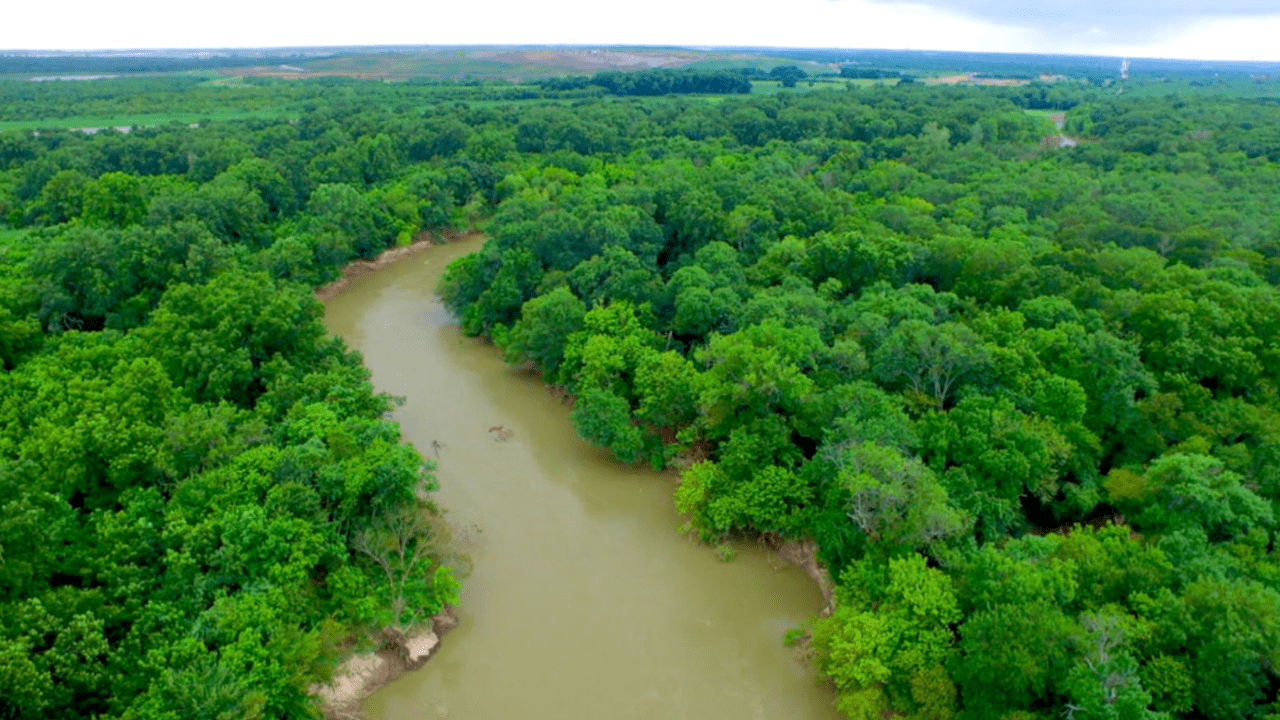
Like other major metropolitan areas, Dallas suffers from significant environmental pollution. Both ordinary residents indifferent to ecology and large corporations that ignore environmental regulations contribute to this problem.
The city’s water and soil are heavily contaminated. The growing volume of household waste, increasingly difficult to process, leaves Dallas literally drowning in trash. A casual walk through the city reveals numerous unauthorized dumping sites, and waste is often carelessly tossed along streets, rivers, and other waterways.
Fortunately, the city government began addressing this issue years ago. In 2013, Dallas approved a zero-waste production initiative. The plan aims for full implementation by 2040. In the meantime, residents still have time to consider how best to prevent further contamination of the city’s water and soil.
Another sore point for Dallas is its air quality. The city is often ranked among the most polluted in the United States due to poor air standards.
In 2019, officials recorded that nearly 1.5 million residents suffered from impaired breathing. Most had chronic heart or lung conditions that worsened after walks along central streets. Sensitive groups included both children and the elderly.
The World Health Organization recommends that PM2.5 (particulate matter 2.5 micrometers or smaller) should not exceed 10 µg/m³. In 2019, Dallas’s average PM2.5 level reached 12.3 µg/m³, earning it a “moderate” air quality index. Residents point to two companies—GAF and Tamko—as the main culprits behind this grim situation.
GAF: The Shingle Manufacturer
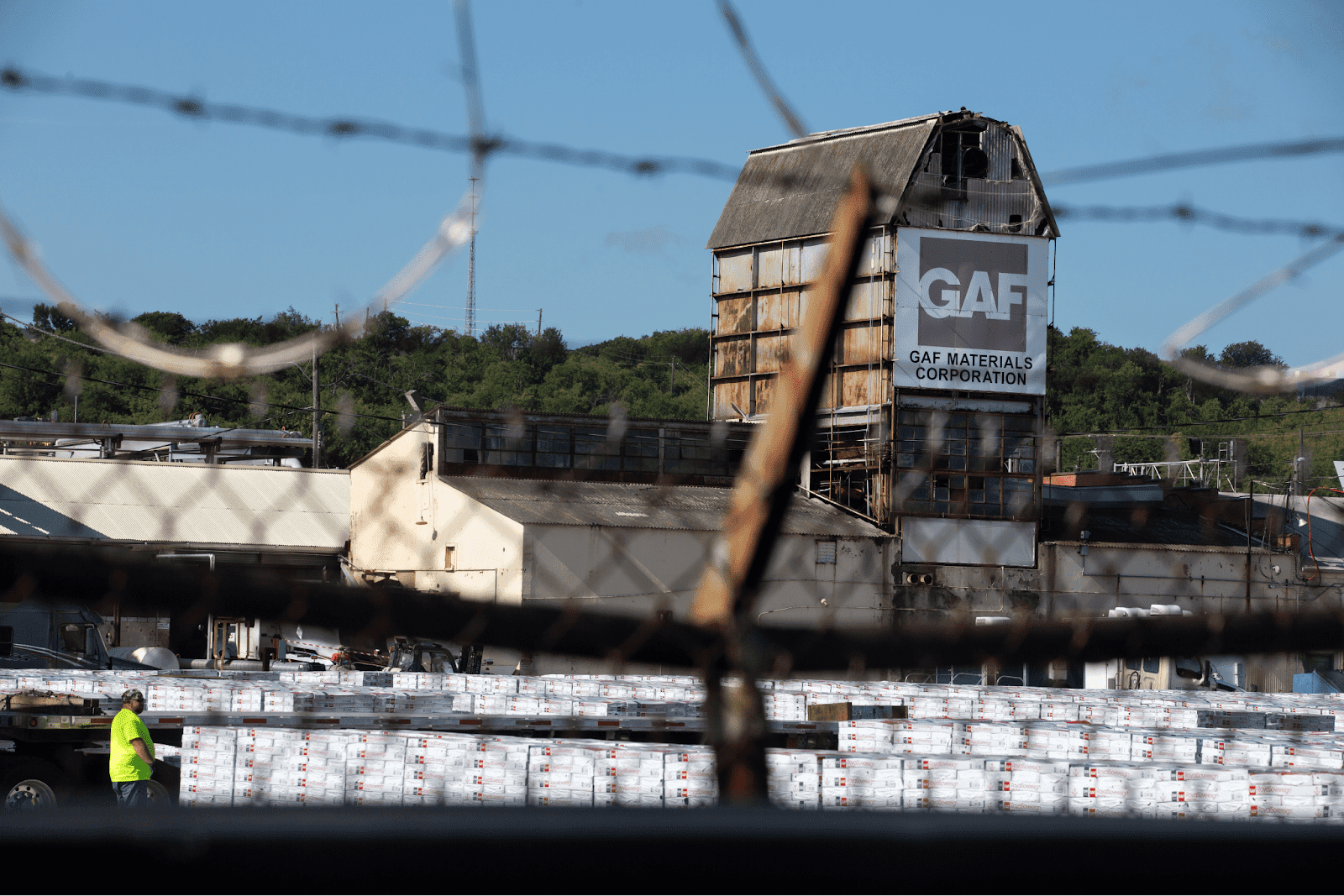
For decades, GAF has been Dallas’s top environmental enemy. Located in West Dallas’s Singleton area, the plant manufactures roofing shingles. Thousands of residents and numerous researchers have publicly highlighted the severe harm caused by the company’s emissions.
Residents born and raised near the plant suffer from daily headaches, a condition they’ve learned to ignore. Others have experienced cognitive impairments, respiratory illnesses, and even cancer. For some, these health issues have proved fatal.
Researchers from Texas A&M University, members of Downwinders at Risk, and a local environmental group surveyed 227 households in Singleton. Of the 38% who responded, 34% reported that at least one family member had been diagnosed with asthma. They attribute this diagnosis to GAF’s operations.
Natalie Johnson, a toxicology professor at Texas A&M University, calls Singleton unsafe for human habitation. She notes that PM2.5 levels in the area exceed safe limits by several times on a daily basis. This means that tiny, harmful particulates released by the plant’s operations enter residents’ lungs and bloodstream every day.
Tamko Plant
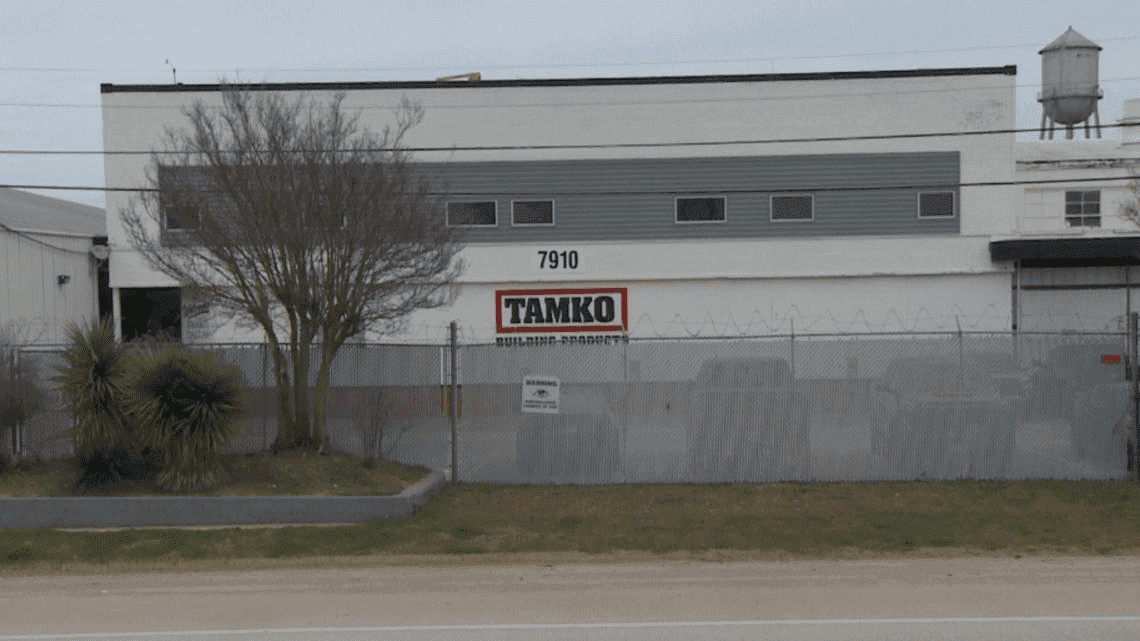
Another roofing shingle producer, Tamko, located in the Joppa area, also poses serious health risks to nearby residents. Surveys and studies in Joppa show that locals complain of headaches, nausea, nasal congestion, and dizziness.
Tests reveal that harmful emissions settle on clothing and skin within minutes of being outdoors. Imagine what accumulates on those who spend hours walking there with their children. Some residents even fear opening their windows for fresh air.
Residents have repeatedly protested for the plant’s closure. When it became clear that closure was unlikely, they called for Joppa to be rezoned as an industrial area and for residents to be relocated free of charge. Such a move would leave nearby homes empty and require the city to cover relocation costs, so officials have resisted making any drastic decisions. Locals say the authorities have only given them empty promises.
Beyond Shingle Plants: Other Environmental Threats
In Dallas, people often blame large industrial facilities and vehicle exhaust for pollution and health problems. However, many other factors also significantly impact the city’s environment.
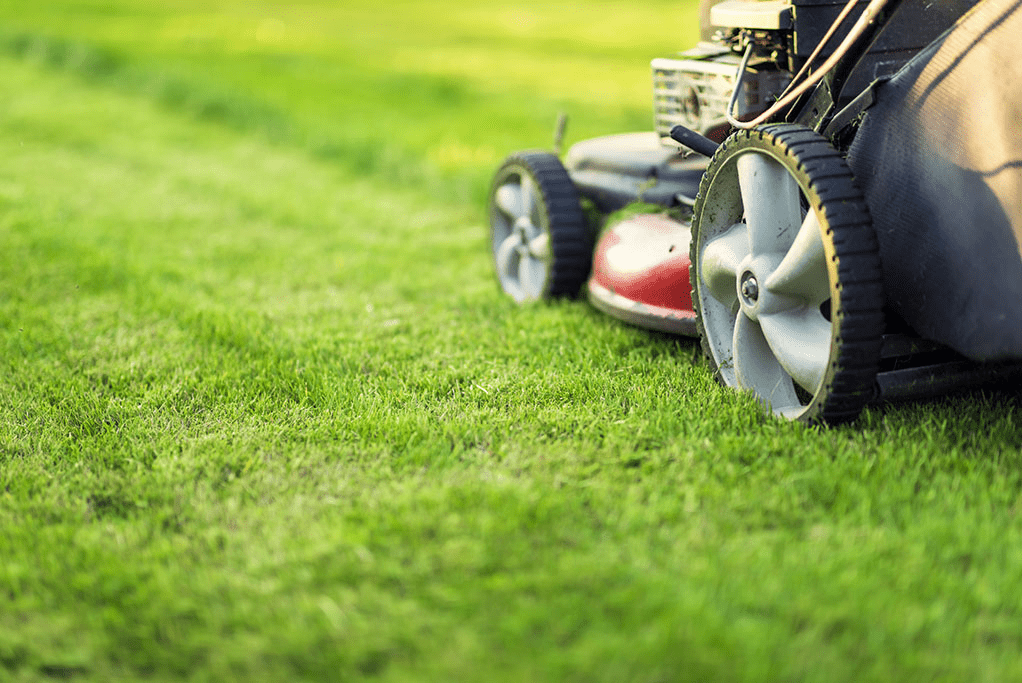
Take lawn equipment, for example. Common gas-powered mowers and trimmers emit large amounts of harmful pollutants, including fine particulates and toxic volatile chemicals.
A study by Environment America’s Center for Research and Policy found that commercial lawn equipment produces 2–4 times more harmful emissions than residential models. In 2020, gas-powered lawn gear emitted over 30 million tons of carbon dioxide—more than the total greenhouse gas output of Los Angeles. Commercial mowers accounted for 82% of all PM2.5 emissions from lawn equipment. As a result, they pose the same health risks as industrial plants: residents inhale contaminated particles that lead to serious diseases.
The solution is to replace gas-powered lawn tools with electric alternatives. Electric models are known to be cleaner, quieter, and cheaper to operate.
Environment America’s Center for Research and Policy recommended that Dallas officials gradually phase out gas-powered lawn tools in favor of electric ones. However, Texas law prevents elected officials from banning the sale or use of any fuel-powered equipment. As long as this restriction remains, the problem persists.
Sources: