

Every year, about 86,000 tons of recyclable items end up in Dallas’ garbage. Paper makes up the majority of the garbage found in landfills, accounting for 37,000 tons on average. This means that with cost-effective and rational use, about 1 million trees could have been saved. Plastic, metal and glass account for only a small portion of waste. Recycling these raw materials can help protect the environment and reduce pollution. Find out more at dallas-name.
Such discouraging data prompted citizens to take a more responsible approach to garbage disposal. Dallas people collect, sort and recycle their waste.
The waste rate in Dallas
As one of the largest cities in Texas, Dallas is extremely polluted. Fortunately, it does not currently top the list of the dirtiest cities. When calculating the indicators, the following elements are considered: the amount of garbage per person from the total number of the population, the state of urban landfills, environmental efforts and the efficiency of recycling programs. According to these assessments, Houston remains the leader.
However, a survey performed by the Dallas Express in 2023 found that Dallas residents are exceedingly dissatisfied with the amount of waste on the city’s streets. The local authorities were able to register around 1,000 illegal landfills on vacant lots and several abandoned commercial properties. According to this information, authorities are combating unlicensed landfills, but the procedure is incredibly slow and difficult.
Ordinary citizens as well as public organizations are likewise attempting to take up the initiative. In 2022, the Metroplex Civic & Business Association launched the “Adopt-a-Block” program, in which entrepreneurs take on the task of cleaning the areas of the city in which they live. Additionally, engaging employees in the process. The initiative proved to be extremely effective, however, it was insufficient to improve the overall indicators.
Why should people deal with garbage?
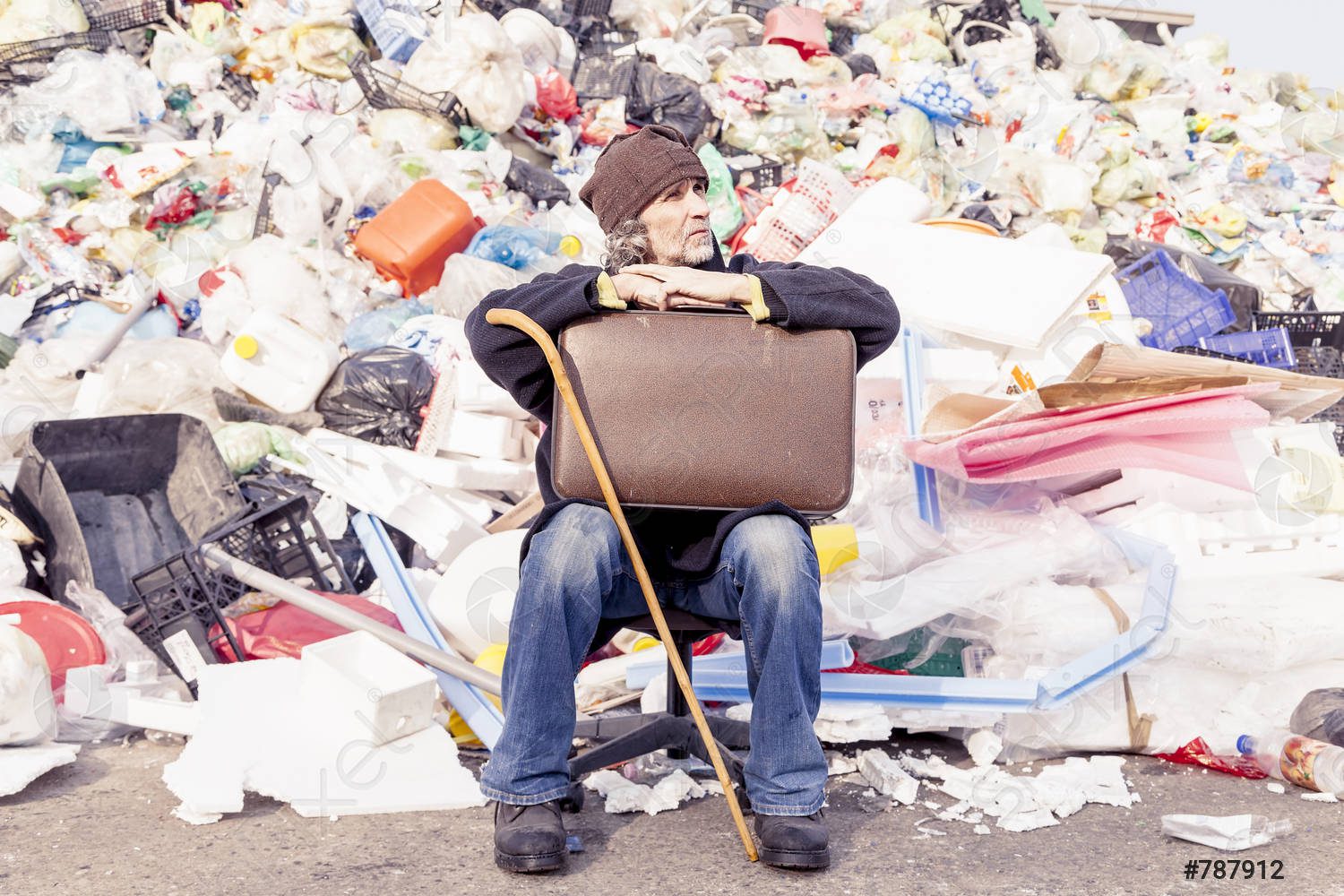
It is the fact that landfill waste is endangering our planet. It affects water, soil, air and the environment as a whole. It harms both humans and animals alike. However, these are global concerns that affect everyone on the planet. Also, there are other issues faced by Dallas residents, which have a direct impact on their way of living.
Citizens whose homes are located near landfills complain of a constant stench. It is especially strong on days when the temperature is slightly higher than normal. They don’t go outside until it’s truly necessary, and they barely open their windows. In addition to the unpleasant odor, they are frequently terrorized by animals and rodents. Coyotes, raccoons, rats and other animals are frequently seen around their homes.
Beggars can also be unpleasant neighbors. A large number of homeless people are drawn to the opportunity to find something interesting or something to eat in the rubbish. Therefore when passing by private residential buildings, they bother children and peer into courtyards.
Those living closest to landfills are the most enthusiastic about sorting and recycling garbage.
How do Dallas residents sort their garbage?
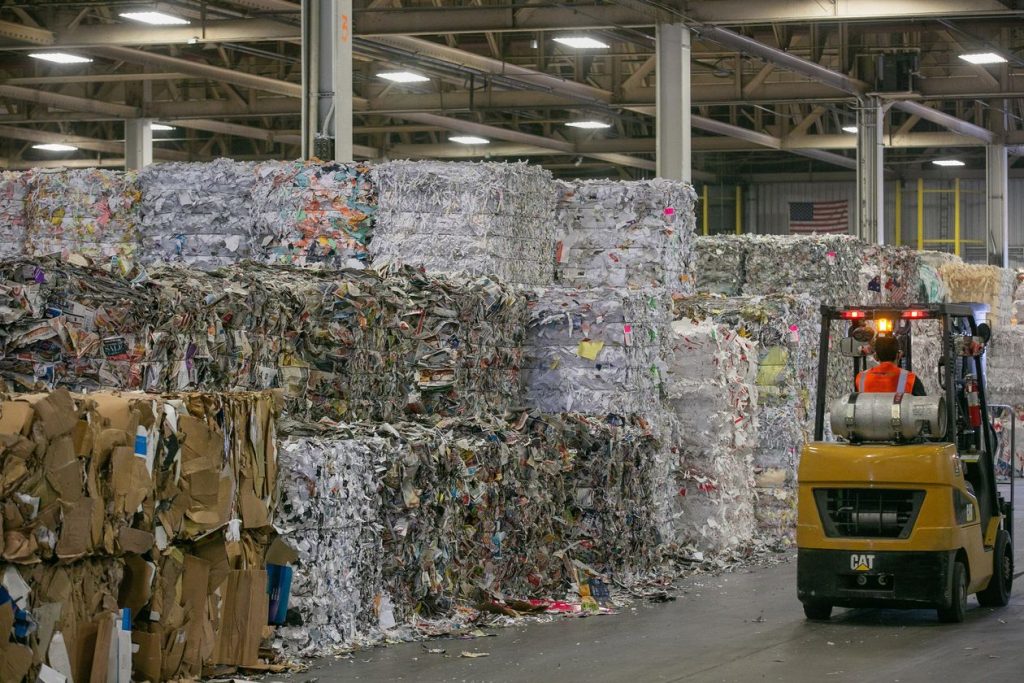
For many years, garbage disposal containers have been established in practically every area of the city. Concerned people autonomously sort rubbish, separating plastic from plastic, paper from paper, glass from glass and so forth. According to this distribution, cleaners (also known as sanitation workers) load trucks that go to McCommas Bluff Landfill. It is situated south of the Trinity River, near the intersection of interstate roads.
McCommas Bluff Landfill opened in 1981. It is considered to be the second-largest landfill site in the state of Texas. Although it encompasses 2,000 acres, only 1,200 were filled with waste as of 2018. The local authorities predict that it will serve the residents for at least another 40 years. The portion of the ground that remains debris-free will function as a natural barrier, protecting McCommas Bluff from the intrusion of wild animals and flooding. This landfill has almost no unpleasant smell because it is largely filled with sorted rubbish. However, the landfill is not designed to manage secondary raw materials, therefore rubbish must be transported to other parts of the city. McCommas Bluff Landfill only processes gravel and glass, which they use to repair and rebuild roads adjacent to the landfill area.
How does the city of Dallas recycle garbage?
In 1992, Dallas saw the opening of the first Texas processing plant. Entrepreneur Stan Litman, along with his sons Joel and Craig, decided to set up a recycling center in a 30,000-square-foot empty warehouse.
Their services quickly became popular among residents, and nearly all of the city’s landfills that required unloading became interested in cooperating with them. The Texas processing plant offers a variety of services, including:
- Processing a variety of metals (aluminum, steel, etc.)
- Paper recycling through the commercial and industrial services program (office paper)
- Recycling cardboard (boxes, containers, cartons, etc.).