Waste sorting and recycling in the 21st century should be a priority in every region, as it reflects our commitment to protecting the environment. Dallas also operates a modern waste sorting and recycling system that continues to evolve to reduce environmental impact and improve resource efficiency. Today, we’ll talk more about this. Read the full story on dallas-name.com.
Features of Waste Recycling in Dallas
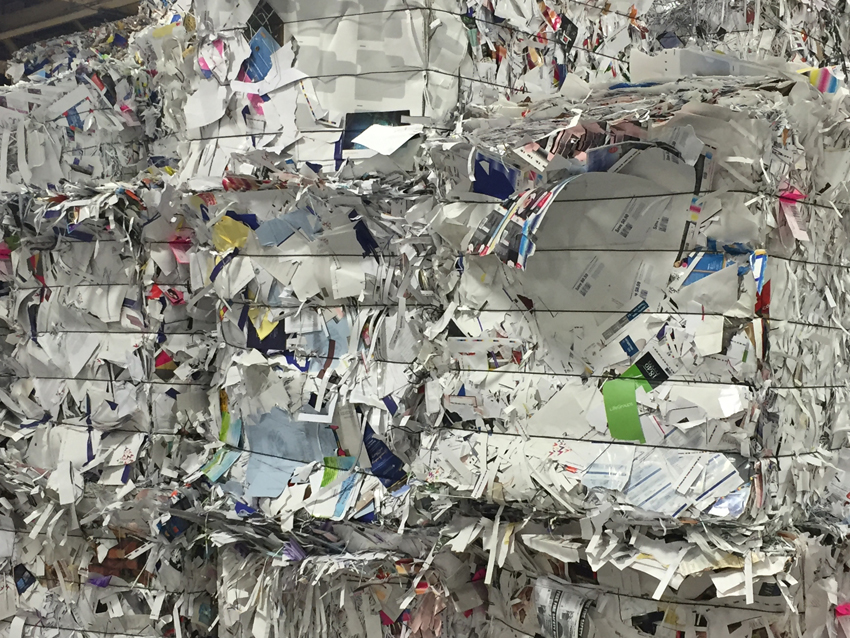
In Dallas, waste sorting involves separating plastic, glass, metal, paper, and organic materials. The city is also implementing innovative technologies such as “smart” containers with sensors that monitor fill levels and automatically signal when collection is needed. Additionally, artificial intelligence is now being used at recycling facilities to sort waste, helping speed up the process and increase accuracy.
It’s worth noting that about 35% of Dallas’s waste is currently recycled. However, this number is growing every year thanks to expanded infrastructure and increasing environmental awareness among residents. There are also drop-off points across the city where people can bring hazardous and bulky waste for proper disposal.
Dallas also has programs for composting organic waste, which helps reduce landfill volume and produces valuable compost for urban landscaping.
A major role in waste recycling belongs to the Dallas Recycling Center, which uses advanced technology to sort plastic, metal, glass, paper, and organic materials.
Another major facility in the region is the Republic Services Material Recovery Facility, which uses automated sorting systems and artificial intelligence to improve efficiency. In addition, the city’s Zero Waste Dallas program focuses on reducing landfill waste by encouraging sorting, material reuse, and composting.
Dallas is also home to the Materials Recycling Facility (MRF) near McCommas Bluff, which processes over 250 tons of material per day—around 5,000 tons per month.
About the Dallas Recycling Center
The plant’s history dates back to 1992 when it started as a small warehouse in Northwest Dallas. At first, there was limited equipment and staff. The facility was founded by members of the Littman family, who aimed to promote a culture of waste sorting and recycling in the region. Over time, the Dallas Recycling Center expanded to more than 175,000 square feet and adopted innovative sorting technologies. As of 2025, the plant processes thousands of tons of paper, metal, plastic, and other materials from residents and businesses in Dallas and the surrounding area.
The company also works actively with the community, organizing educational programs and public awareness campaigns to improve environmental consciousness among local residents.
Overall, the Dallas Recycling Center has a positive impact on both the environment and the local economy. It creates hundreds of jobs in sorting, recycling, and logistics while supporting local businesses that use recycled materials.
That’s how waste sorting and recycling work in the city of Dallas. We hope you found this article informative and learned more about your hometown.