

The changes happening daily on our planet send us clear signals: we must change our habits. If we turn a blind eye to these warnings, we risk losing what matters most—our lives. To ensure that all living creatures can enjoy clean, fresh air, we must fight global warming, air pollution, and other signs of irreversible damage. Read more on dallas-name.
Maintaining a clean environment plays a crucial role in preserving our planet. It is an essential component of a community’s well-being. Each of us must follow basic guidelines to keep our surroundings clean. Yet it is environmental organizations that carry the heaviest load: they host diverse campaigns and develop vital projects.
Waste Volume in Dallas, Texas
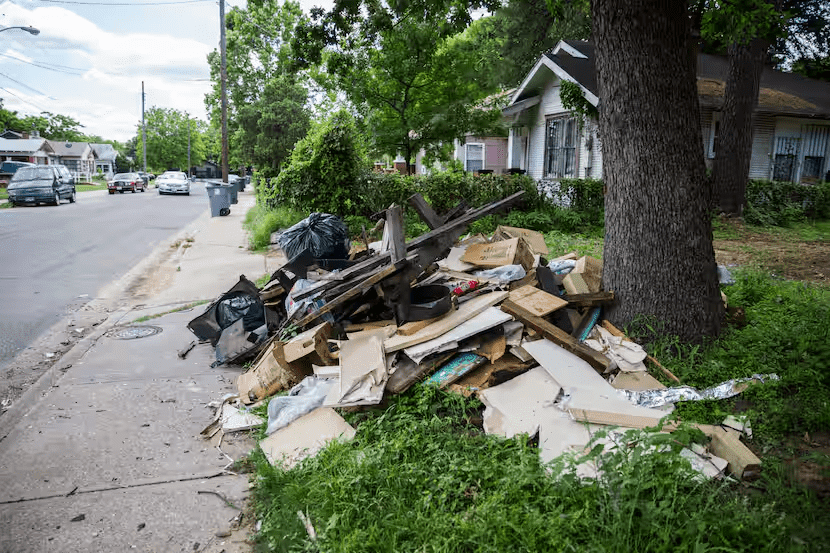
One of Dallas’s biggest challenges is the massive amount of residential waste. In some neighborhoods, it’s hard to tell where overflowing trash bins end and illegal dumps begin.
Each year, only 21% of household and commercial waste is recycled. With the city’s population expected to grow by roughly 40% every decade, the phrase “drowning in garbage” is becoming more than just an expression—it’s a real threat.
In response, officials are exploring alternative disposal methods. Back in 2013, Dallas launched a zero-waste initiative, becoming the second Texas city to adopt such a plan, with 2040 as the target date. Since then, the city has steadily rolled out environmental measures, including expanding recycling services and introducing mandatory composting. Pilot programs now test recycling solutions for businesses and apartment complexes.
Local Environmental Organizations Advocating for Clean Air and Land
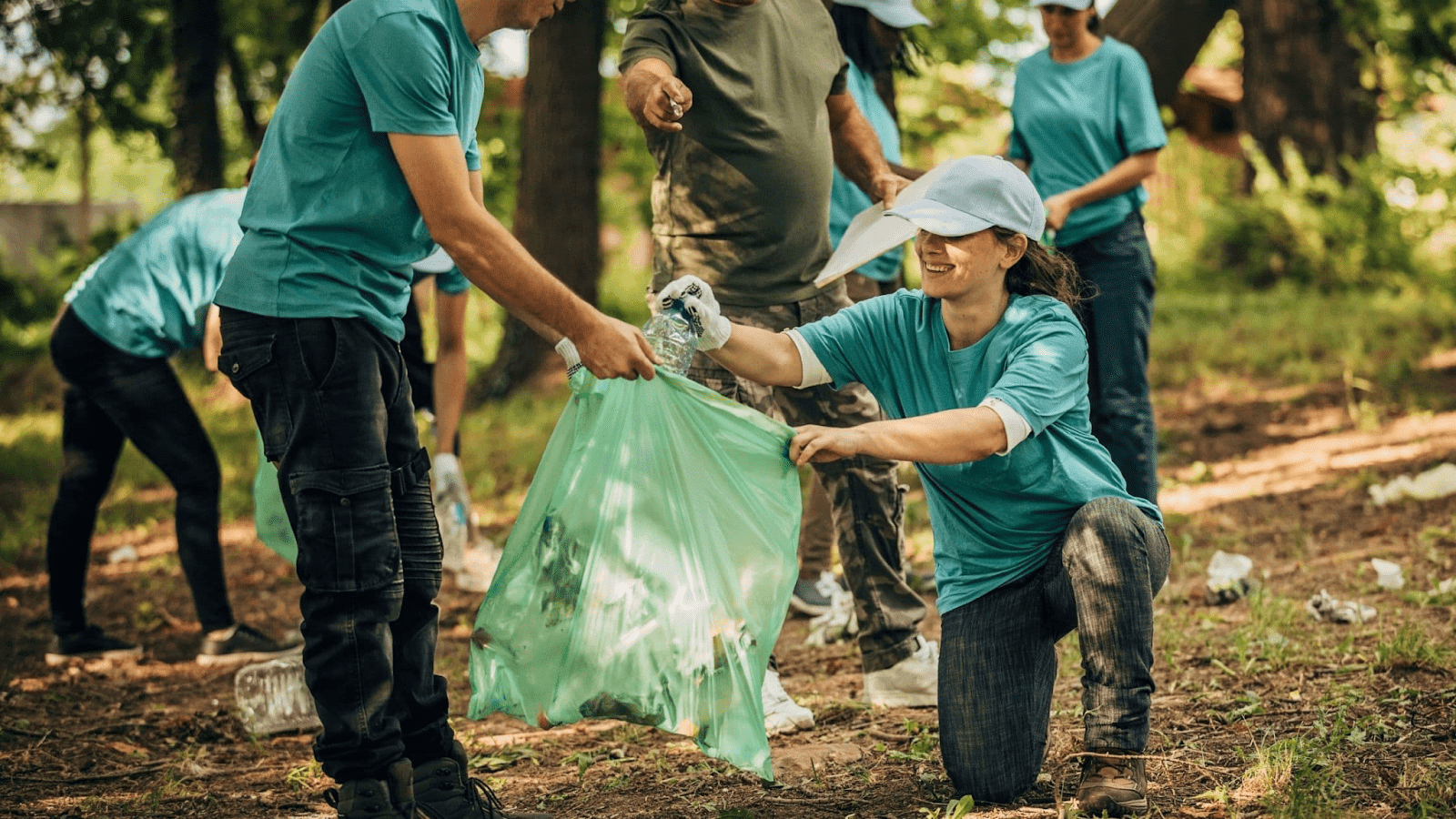
Dallas is home to many concerned residents who understand the threats of climate change. They don’t just condemn human negligence—they actively rally fellow Dallasites to combat waste.
One of the oldest groups fighting residential waste is the Texas Campaign for the Environment, founded in 1991. Since then, its members have been on the front lines against environmental injustice across the state. Their main adversaries are corporate polluters: large companies backed by strong political and financial support.
Another leading force is the Dallas Advisory Youth Council. Made up of young residents passionate about environmental issues and anxious about climate change, they take their first steps toward building important eco-projects by joining the council’s initiatives. Their priorities include urban sprawl, congested roads, loss of green spaces, and other pressing challenges.
Other notable groups include eRecycler, Green Ox Energy Solutions, and Northstar Abatement Corporation.
Initiatives by Dallas Environmental Groups to Preserve a Clean Environment
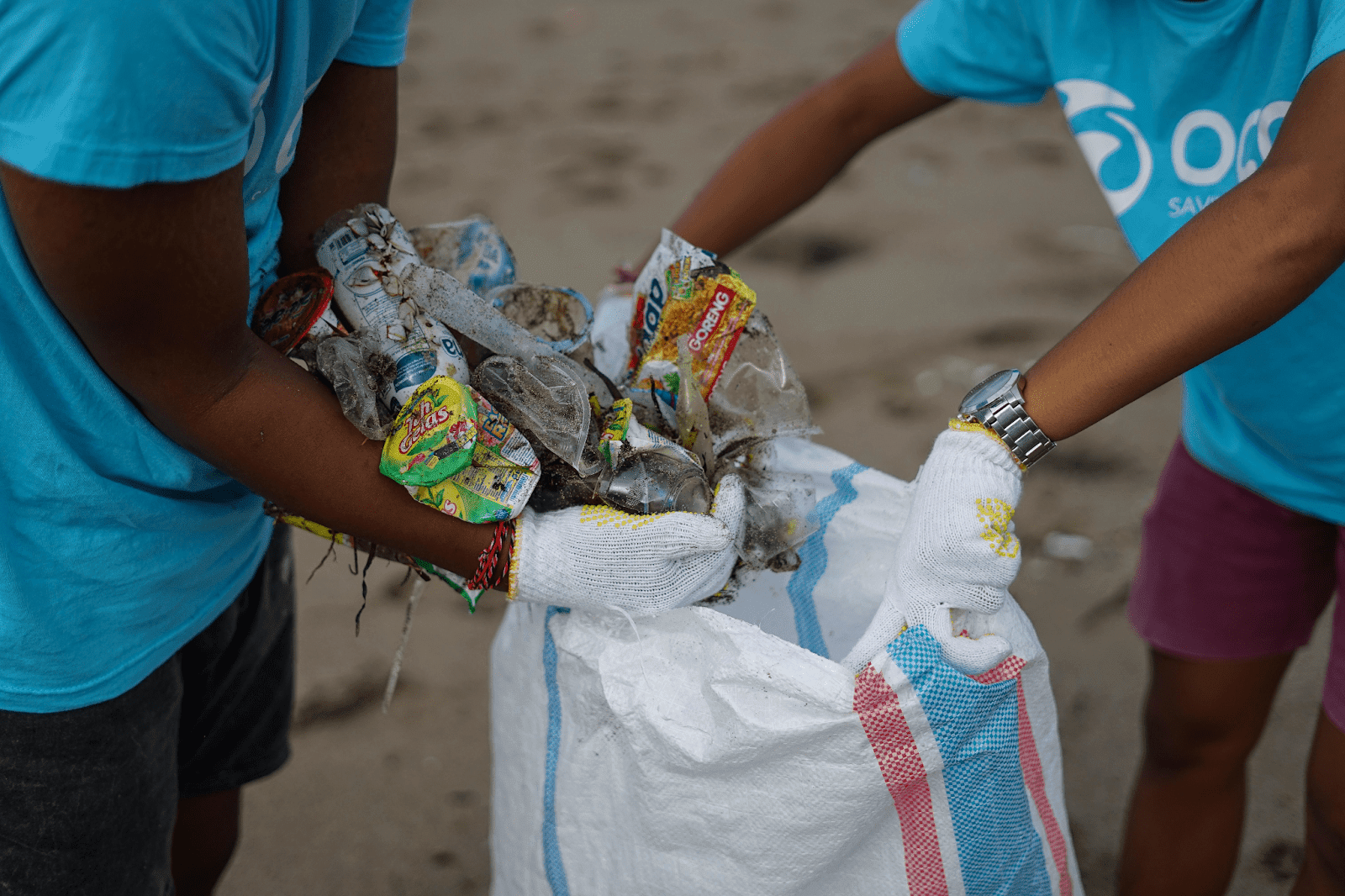
First, to keep Dallas clean, every resident must learn to take responsibility for their waste. That’s why environmental groups focus on public education: they give lectures in schools, host outdoor quizzes, and distribute flyers.
Second, members lead by example. They organize clean-up events, teaming up with other concerned residents to send letters to those responsible for environmental health: reporting illegal dumps and homeless encampments near neighborhoods. Locals point out a major problem: when homeless individuals move waste from landfills to their camps, debris spreads through nearby areas. Despite efforts by activists and city officials, solving this issue remains extremely difficult, with only temporary fixes so far.
Finally, one of the most significant actions by Dallas activists is organizing protests and marches, drawing hundreds of participants. These decisive steps usually follow long periods without any response to written petitions. One standout event was the We Are Not Trash campaign.
Eco-activist Campaign: We Are Not Trash
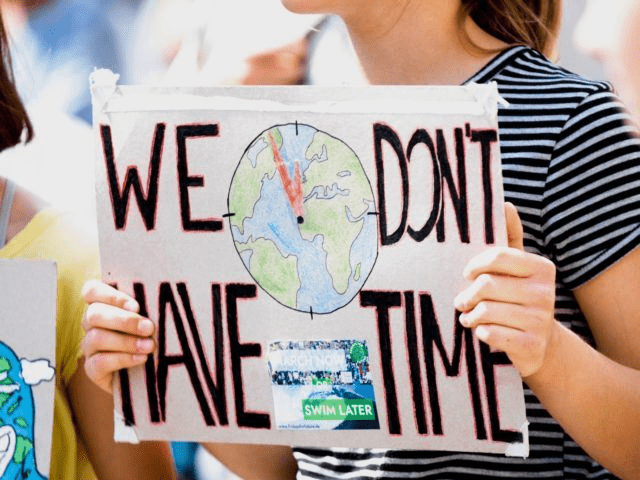
One project that gained attention in 2013 was the plan to expand the McCommas Bluff landfill. The city’s proposal would send all commercial waste to this site. Neighbors near McCommas Bluff were the first to protest. They had long complained about the lack of grocery stores, parks, and entertainment in their area, yet the city’s answer was to allocate more land for trash.
Officials estimated the expansion would bring at least $18 million in annual revenue from private waste haulers, while also boosting recycling and natural gas recovery efforts.
Leading the protest was Dexter Evans, a freshman at Paul Quinn College who couldn’t stand by when Dallas’s environmental health was at stake. He founded the We Are Not Trash movement, joined by classmates, members of the Highland Hills community, and some LULAC activists.
The campaign also drew support from industry giants Waste Management and Republic Services. As private landfill operators, they risked losing revenue if commercial trash began going solely to McCommas Bluff.
In the end, the We Are Not Trash campaign secured a meeting with the mayor. The mayor agreed to hire experts to study the proposal’s impacts over six months before making a final decision.
- https://www.dallasnews.com/news/2011/11/06/marchers-protest-dallas-city-councils-decision-to-expand-mccommas-bluff-landfill/
- https://wasteremovalusa.com/blog/dallas-dump-sites/#:~:text=Landfills%20and%20Transfer%20Stations%3A%20Dallas,accepted%20to%20prevent%20environmental%20harm.
- https://www.dallasnews.com/opinion/editorials/2016/08/17/dallas-we-re-in-a-heap-of-garbage-trouble-here-s-how-to-crawl-out/