

In general, Texas has long been known for the richness of its natural resources. Oil occupies a special place among them. However, unfortunately, few people know that there is much more to Dallas than black gold. For decades, local researchers have been studying what is deep underground, and each time they find more and more interesting minerals. Continue reading at dallas-name.
Geological features of the Dallas area
Dallas is located on the prairie with a huge number of trees, rivers and undulating hills. This is due to the fact that the city was founded near a ford along the Trinity River. It became the main source of water for this region. In addition to the Trinity, Dallas also uses water from other surface sources: Ray Roberts, Louisville, Grapevine, Ray Hubbard and Tawakoni lakes. In this regard, the territory of Dallas mainly consists of sedimentary rocks of the Cretaceous region.
What minerals can be found in the city?
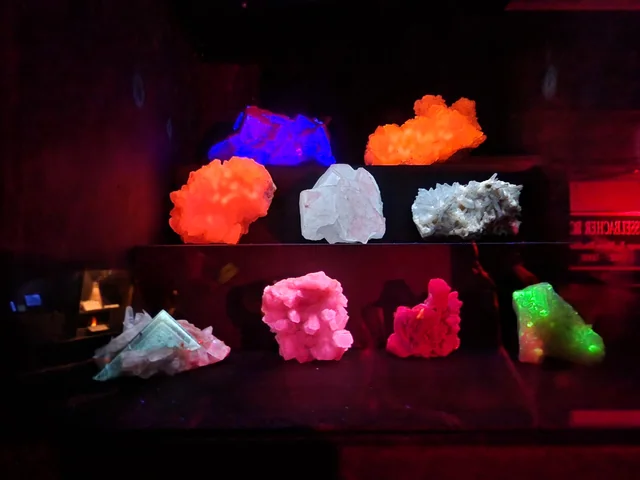
The city’s landscape has undergone many changes that have affected the richness of its subsoil. Together, they have created an extraordinary combination of minerals, fossils, gems and more. What’s more, there are many collectibles to be found beneath the topsoil in Dallas, from common quartz to fossilized trees.
First of all, it is worth noting that Texas towns are among the few places in the world where blue topaz can be found. Most of them are along the border with New Mexico. But some seekers also manage to find them in other parts of central and western Texas.
So now, let’s learn more about other interesting stones, minerals and fossils that were found in the city:
- Gold. It is called one of the oldest materials on planet Earth. Gold began to be mined in the Neolithic period, at about the same time as copper. There are several types of mining this mineral. But to find gold in the city, panning is the best option.
- Diamonds. In general, a diamond is a processed rough diamond. It contains carbon, which can be extracted exclusively from the bowels of the earth. It attracts special attention of collectors because it cannot be scratched by anything.
- Amethyst. This mineral is the most expensive type of quartz. Its stones have a transparent structure and a bright vitreous luster. In nature, amethyst looks like crystals.
- Opals. Their presence in Dallas is explained by a fairly large number of local reservoirs, as opals contain water and silicic acid.
- Geode. These minerals can be round, oval or spherical. However, the most surprising thing is their size, which ranges from very small to huge stones. You can find real crystals inside the gemstone.
- Obsidian. This is a rock whose formation is closely related to volcanism. Such stones are characteristic of continental outskirts and inland seas. Dallas collectors consider this rock to be a real treasure, as many are aware of its medicinal and healing properties.
- Teeth of a megalodon. Megalodon is an extinct species of shark. Most often, archaeologists and those who are fond of excavations manage to find only their teeth. They are triangular in shape, and their size is impressive. They are of great exhibit value and are also used to make jewelry.
- Rose quartz. This stone is composed of manganese, iron and titanium. For several decades, it has been especially appreciated by Dallas collectors for its aesthetic appeal. Rose quartz is often used to decorate jewelry as its color is associated with love, tenderness and warmth. In Texas cities, there is even a tradition of giving it to expectant mothers.