

Water is the foundation of life for all living things. Throughout human history, dams and reservoirs have been constructed to ensure society has easy access to water. Without artificial reservoirs, it would have been impossible to build cities, establish trade routes, ensure basic hygiene, and even simply quench thirst. Read more on dallas-name.
As Dallas’ population grew rapidly, the need for more reservoirs increased. Moreover, existing artificial lakes required continuous maintenance—adjusting their depth and water volume was essential to their survival.
Frasier Dam
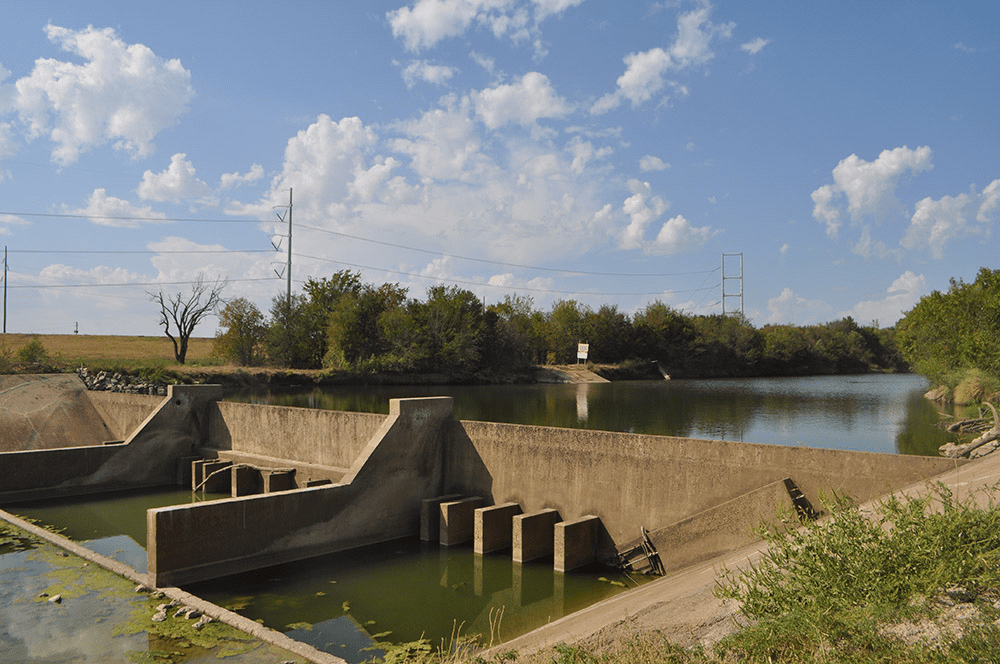
Frasier Dam is often referred to as the hidden gem of the Trinity River. Over the years, the dam and its surrounding area have seen various phases—from flourishing when it was first built to deteriorating into an ordinary landfill.
Today, Frasier Dam is an ideal spot for outdoor walks and nature escapes. However, it wasn’t always this way. The official reopening of the site took place in September 2021, after the surrounding area had been littered with debris for a long time. Once cleaned up, the city forest, spanning 116 acres, became a recreation zone. Now, walking and biking trails run along the river, there are paths for kayaking, and green lawn areas are available for picnics.
White Rock Lake
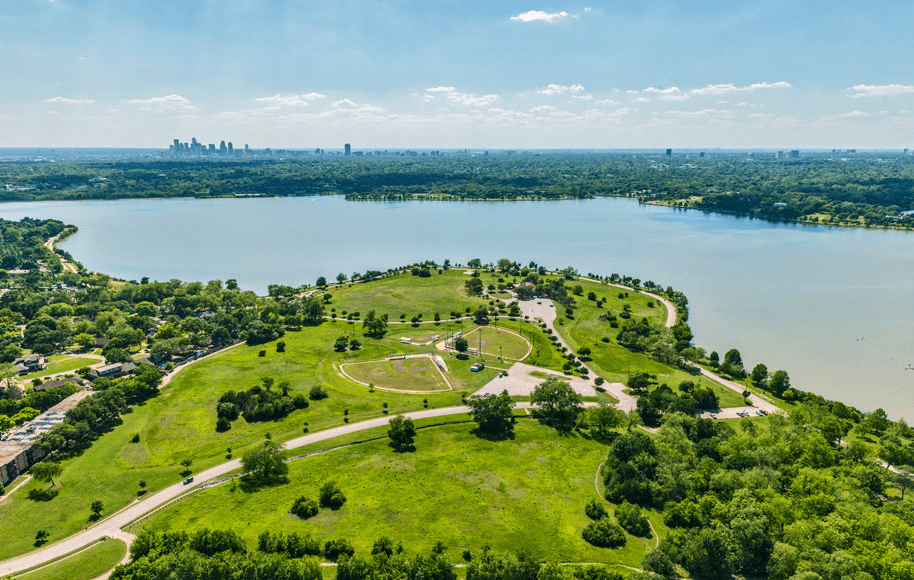
The White Rock Lake reservoir is considered one of the most popular spots in Dallas. It’s a must-visit destination for tourists and is surrounded by dozens of intriguing and eerie stories.
Construction of White Rock Lake began in 1910, at a time when the city’s rapid development led to a significant water shortage. Dallas residents took just over a year to build the dam and the coal pumping station on White Rock Creek. Originally, the stream ran through undeveloped rural areas and farmland, and its spring water was clean enough to drink. The reservoir filled up quickly, and the clean water was immediately pumped into the city’s water supply.
The water quality in White Rock Lake deteriorated significantly in 1915 when the reservoir began being used for other purposes, including swimming, fishing, and piling construction. From that time on, drinking water from the reservoir was only allowed after it had been thermally processed. Despite efforts to clean the water—such as installing filters and building settling tanks—it was never restored to its original clarity.
Over the years, White Rock Lake was no longer needed as a primary water source, and it became more of a tourist attraction and a pleasant spot for locals.
North Lake
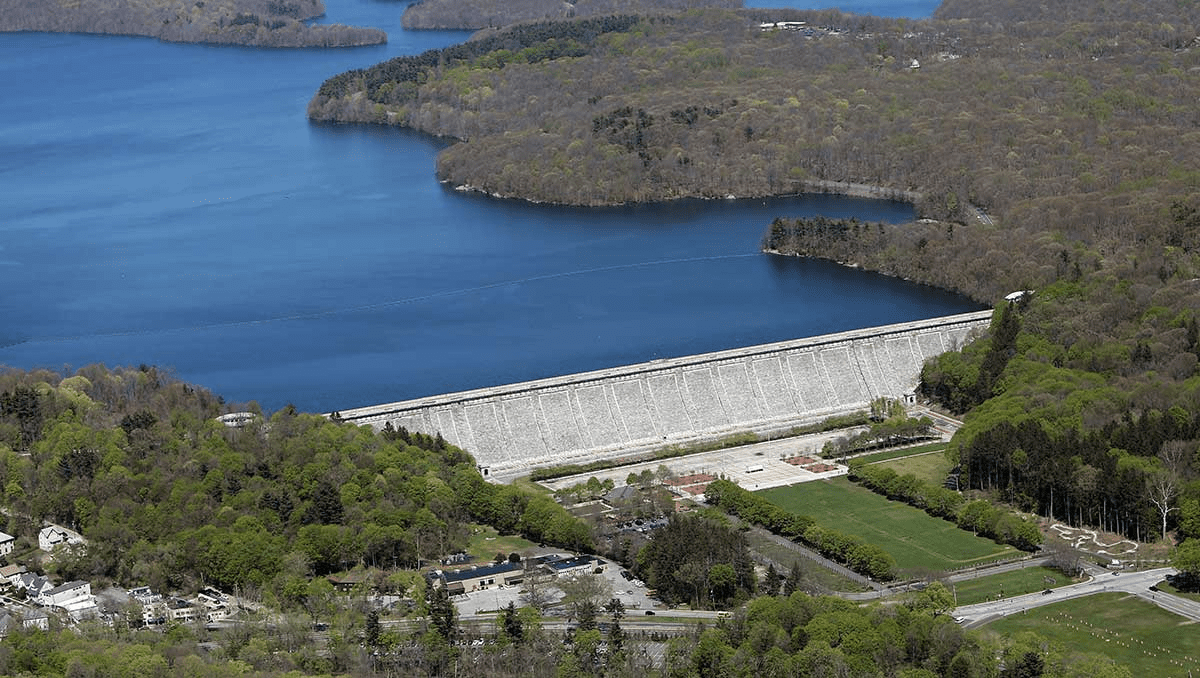
Before 1956, the site of North Lake was just a bowl-shaped valley used for farming. However, after the area was cleared, it was developed into a cooling reservoir for the Dallas Power and Light Company’s power station, which modern residents refer to as North Lake.
By 1978, the reservoir was being used for fishing. However, the endeavor was not very successful, as the water in North Lake had low nutrient levels, making it difficult for aquatic life to thrive. Afterward, the reservoir became popular with watercraft enthusiasts, and the nearby park provided a runway for radio-controlled airplanes.
Ultimately, North Lake never found its ideal use, and it was closed. In 2000, operations ceased due to a high concentration of amoebae resulting from the water’s temperature, which was affected by the plant. Since then, the lake has not supported water sports, boating, or fishing.
McCommas Bluff Lock and Dam
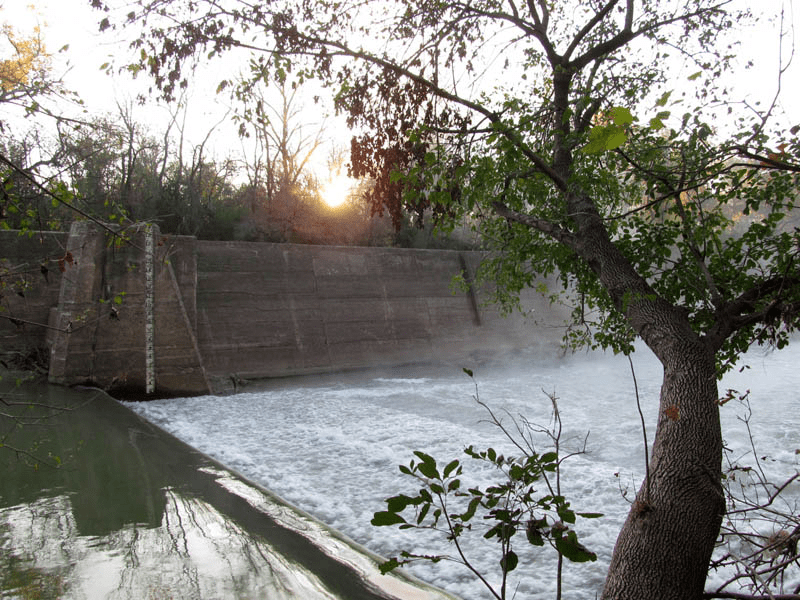
The modern McCommas Preserve is an example of untouched wilderness. The reserve has remained largely ignored and isolated from modern innovations for decades. When mentioned, it is often in connection with stories of the ghost town of Trinity City and the high crime rates in the area. However, this wasn’t always the case.
In ancient times, Native American tribes camped in the area that is now McCommas Preserve. They had their own boats and dreamed of conducting trade and delivering goods to Dallas. The winding curves of the Trinity River hindered their efforts, so they built McCommas Bluff Lock and Dam. However, their dreams of navigation never came to fruition, and the area near the river, where the dam and locks still stand, became a peaceful spot for city residents to stroll, connect with nature, and escape everyday worries.
Lake Ray Hubbard
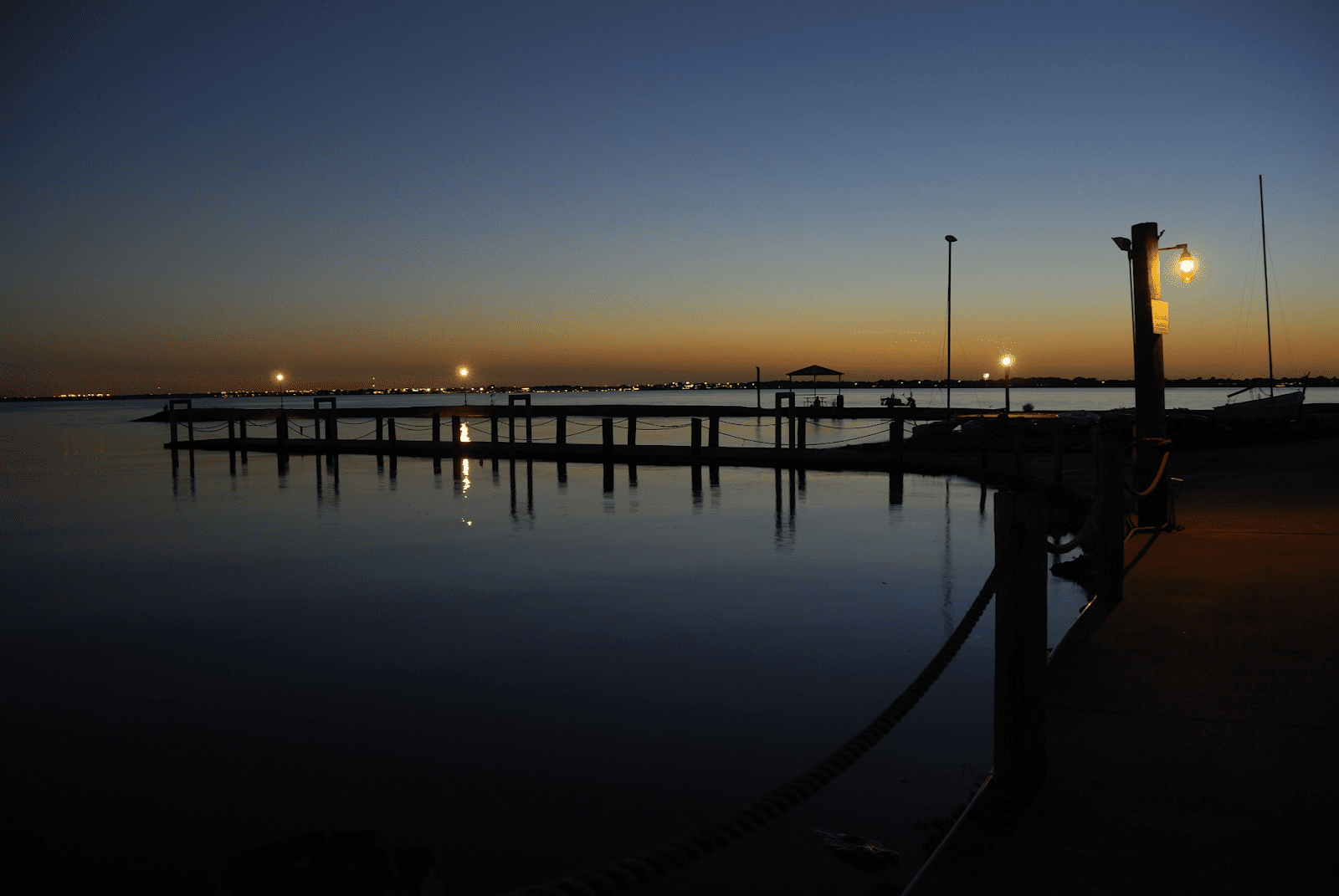
Lake Ray Hubbard, an artificial reservoir in Dallas, was created in 1967. It was necessary to serve as a reservoir for the Rockwall-Forney dam on the eastern fork of the Trinity River. Initially called Lake Forney, after one of the Texas towns, the reservoir was later renamed in honor of Ray Hubbard, who led the Dallas park and recreation system.
Dallas residents frequented the area where the reservoir now lies long before it was created. They were drawn to the unique landscape—a basin that was perceived as a recreational area and was fondly referred to as “The Bottom.” For many years, it was considered the perfect spot for picnics and camping. The reservoir itself soon became just as popular. It spans 22,745 acres and has a maximum depth of 40 feet. The northern part of the lake’s bed contains a significant amount of timber, which has become a feeding ground for various fish species. As a result, Lake Ray Hubbard is a prime fishing destination. Visitors also enjoy boating, yachting, and sunbathing.
Swimming is prohibited in the reservoir, and water skiing is only allowed for those who are experienced and confident.
Lake Tawakoni
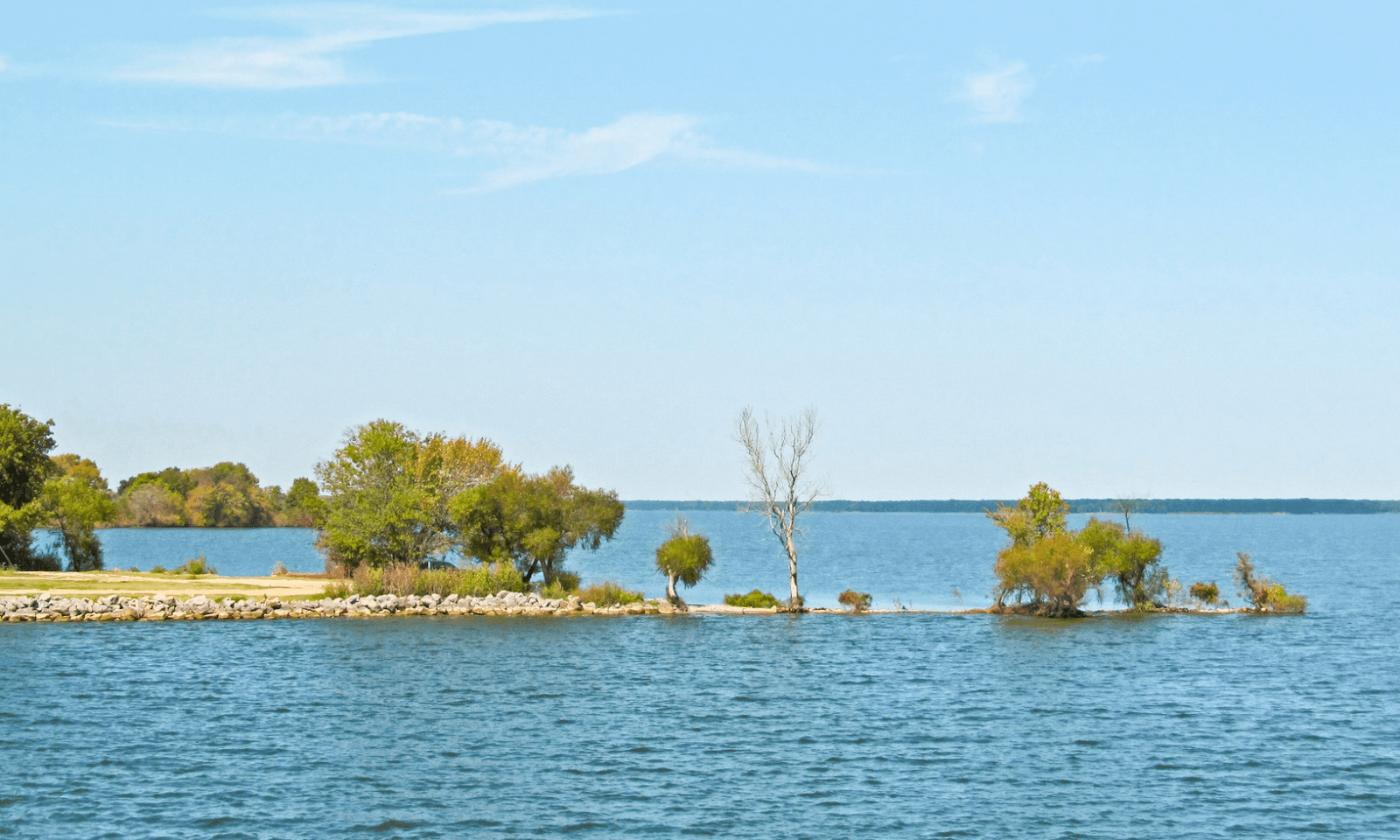
Lake Tawakoni was created in 1960 to provide Dallas with an additional water source. The lake was named after the Tawakoni Native American tribe that once lived in this part of the state.
The reservoir was used as intended until 2002, when a park was opened nearby. Since then, the area has been primarily appreciated for its rich wildlife. In 2007, American media outlets reported on a giant spider web found at Lake Tawakoni, spun by thousands of Tetragnatha guatemalensis spiders. In addition to these creatures, the area around the reservoir is home to hundreds of other species, including red and gray foxes, bobcats, coyotes, opossums, turtles, frogs, snakes, raccoons, beavers, squirrels, armadillos, minks, and white-tailed deer. As a result, city residents often visit the park to get closer to nature.
There are also many recreational activities available around Lake Tawakoni. Visitors can swim, fish, and ride mountain bikes. Those who can spend a few days here often bring tents and camp overnight, eager to wake up early and watch the sunrise.