

The Texas Recycling plant has become one of the most significant environmental enterprises, not only in Dallas but in the entire state of Texas. It’s hard to believe that by the end of the 20th century, the site where the plant now stands was nothing more than an empty warehouse. As the city expanded, so did the need for a facility that could handle material recycling. Today, the Dallas recycling plant has become a symbol of the city’s environmental awareness and residents’ responsibility toward the environment. Read more on dallas-name.
The History of Dallas’ Recycling Plant
The Texas Recycling plant owes its creation to the Litman family. Two generations of men from the family—father Stan and his sons Joel and Craig—participated in establishing the facility. In September 1992, on a vacant warehouse site in northwest Dallas, covering 30,000 square feet, they set up what resembled a collection point. Confident in their endeavor, they humorously referred to their card table, folding chairs, and button phone as the “main office.”
At first, Stan, Joel, and Craig hesitated to announce that they would accept materials, fearing they wouldn’t be able to handle the recycling process. However, after gaining support from sponsors who believed in their vision, business took off rapidly. By 2017, Texas Recycling and its subsidiary, Action Shred of Texas—focused on document recycling—employed over 65 people. Among the best employees were Joel and Craig Litman, along with Joel’s daughter, Hillary, who managed the plant. The team managed to collect tons of paper and metal from clients across the state of Texas.
As a result, Texas Recycling is now known across the United States, and its headquarters is located near Fair Park in a new building covering over 175,000 square feet.
The Secrets Behind the Litman Brothers’ Success
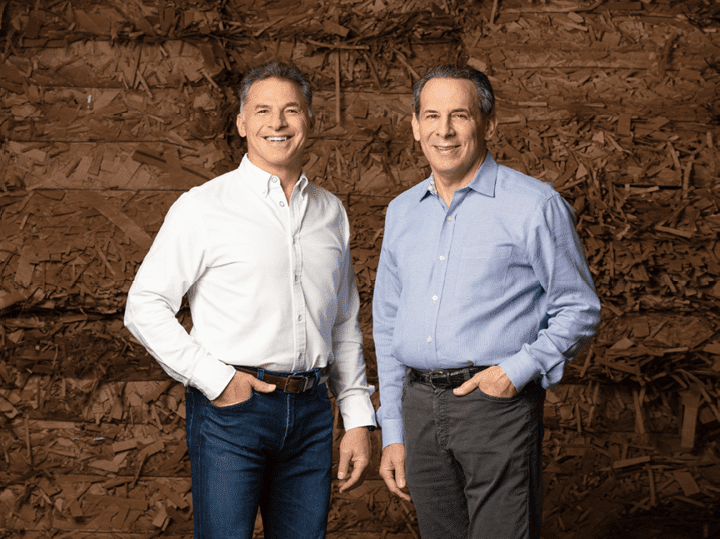
Though Joel and Craig Litman co-manage the business, they are quite different individuals. They often say that their shared commitment to environmental preservation is the only thing that keeps them working closely together.
Joel Litman, president of Texas Recycling, attributes the plant’s success to prioritizing relationships with clients over everything else, including pricing and quality. He frequently answers calls himself, visits clients on-site, and conducts brief surveys to assess customer satisfaction. In Joel’s view, the foundation of his business is strong relationships with clients, and this loyalty pays off.
Craig Litman, the vice president of Texas Recycling, handles all financial decisions. With a background in finance, Craig emphasizes profitability, goal-setting, and sound financial investments as critical to the business’s success. As vice president, he believes Texas Recycling thrives because of careful oversight in all areas—from hiring employees to selecting partners. Craig attributes his personal success to fitness, claiming that the more he trains, the clearer his thoughts become.
What Does the Dallas Recycling Plant Accept?
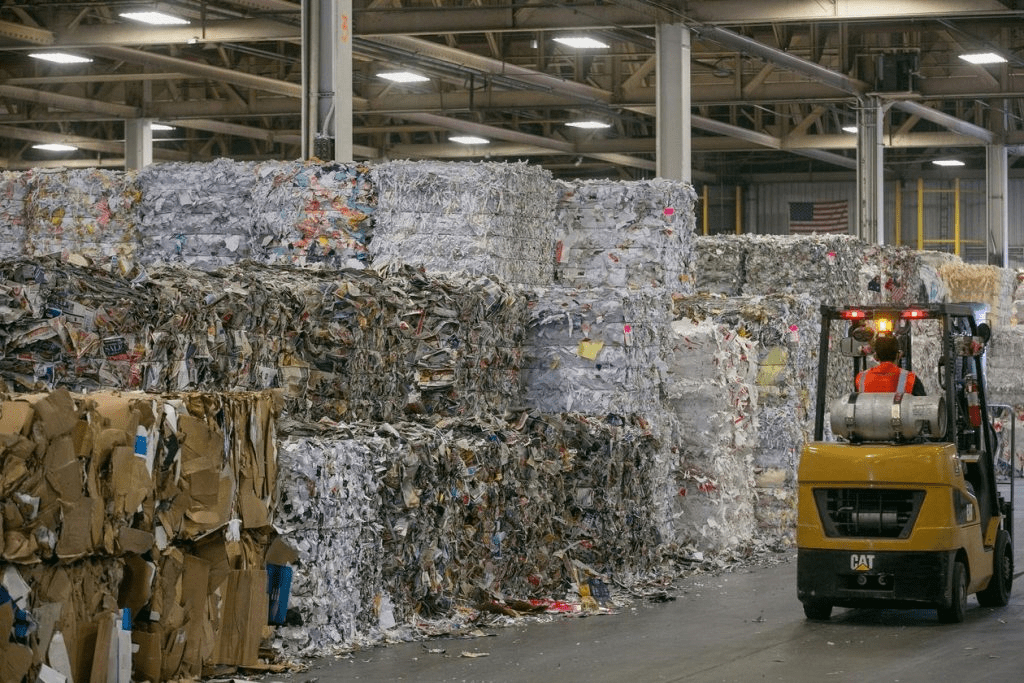
The Texas Recycling plant accepts paper and metal for recycling. You might wonder why this facility has become so popular given that it collects relatively standard materials. The answer lies in their comprehensive service approach.
Texas Recycling doesn’t just accept materials; they assist people who might not even realize they need help getting rid of them. One of their most popular services is site cleanup. The plant’s workers can visit warehouses, offices, or any abandoned property to clear out old documents and other unwanted paper materials. Over the years, Texas Recycling has handled everything from printed literature to cardboard egg cartons.
Additionally, Texas Recycling is a leader in processing a wide variety of scrap metal. The facility handles copper, brass, aluminum, stainless steel, tin, and many other metals. Equipped to collaborate with large industrial enterprises, Texas Recycling has heavy-duty loaders and large-capacity containers to manage big projects.
The Dallas recycling plant ensures certified processing for each client, keeping the source of paper and metal confidential. For instance, companies concerned about confidential documents can request a mobile shredding truck that shreds materials on-site, leaving no trace. Meanwhile, ordinary Dallas residents can rest easy knowing that they are contributing to environmental preservation.