

In the early 1900s, the McKinney Cotton Mill was one of the most developed companies in Dallas. It employed hundreds of citizens. As a result, a whole separate town grew around the factory, one defined by stability, peace and understanding. The local community had its own school, sports team, orchestra and recreation center. However, when the factory’s production significantly decreased over the years, the entire region experienced a period of decline. Learn more at dallas-name.
History of a cotton factory in the suburbs of Dallas
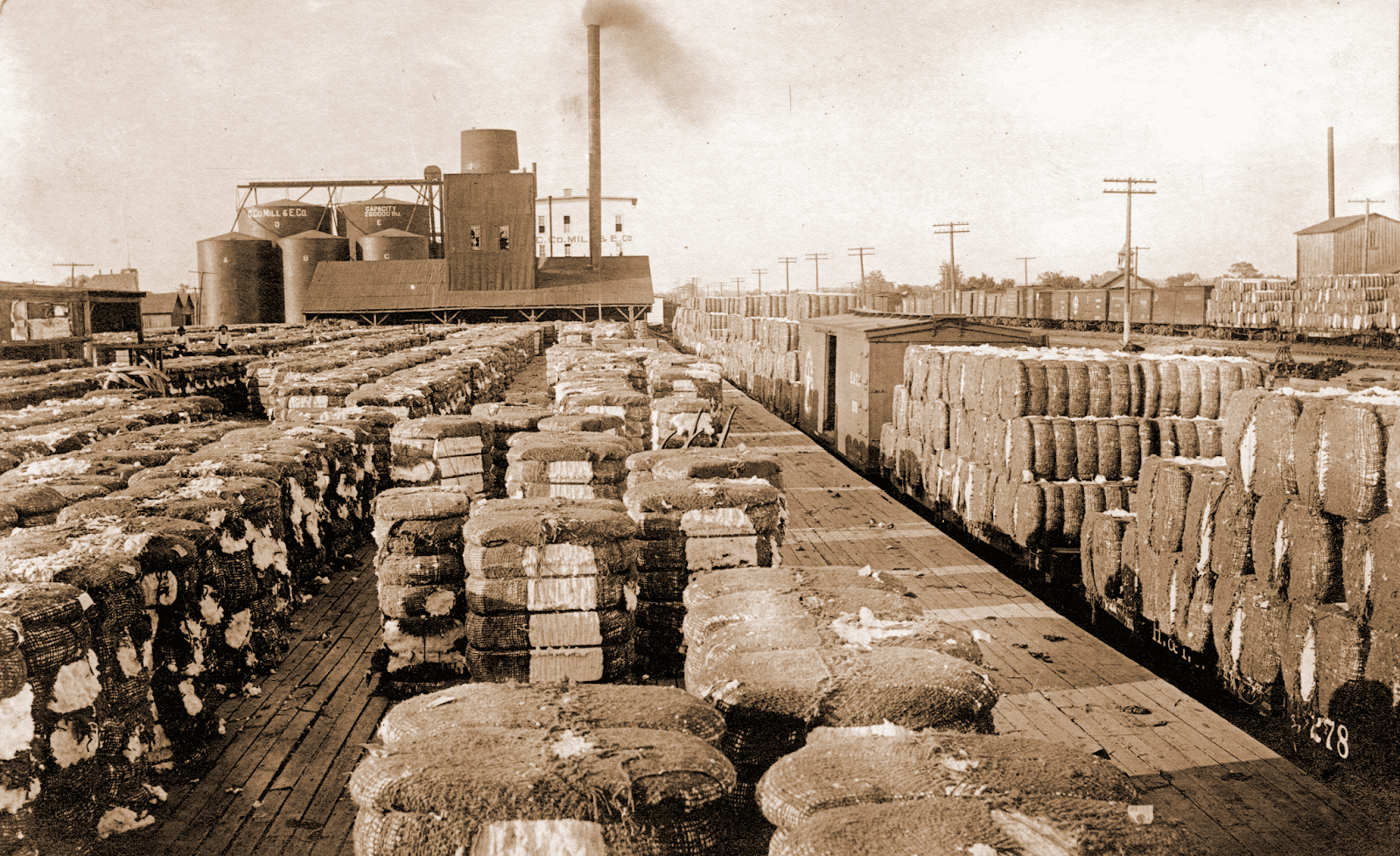
In 1889, local newspapers began to promote the idea of establishing a new textile enterprise on the outskirts of Dallas. This was attributed to increased demand for cotton grown in adjacent counties. After enlisting the financial support of local entrepreneurs, the townspeople began the construction of the cotton mill. It began operations already in 1910.
The factory’s success was remarkable as cotton was the true driving force of the Texas economy at the time. The McKinney Cotton Mill was one of the two best textile plants west of the Mississippi, producing colored printed fabrics. Furthermore, already in the early 1960s, it had become the world’s largest denim manufacturer.
Employment opportunities
According to the records, the factory employed more than 500 people as of 1933. Although the majority of the workers were from Dallas, some relocated to the city in quest of better opportunities and a higher standard of living. Since society suffered from racial discrimination during those years, practically all workers were white. The company paid experienced weavers between $8 and $12 per week. The factory’s annual wage fund was 1.6 million dollars.
McKinney’s Cotton Mill also provided improved workplace legal protection. As a result, no children or teenagers under the age of 15 worked for the company. Although, this was a standard practice in other textile enterprises. Furthermore, at the cotton factory near Dallas, employment was accessible to women. By 1933, fair sex accounted for 40% of the entire McKinney Cotton Mill workforce.
Prospering community
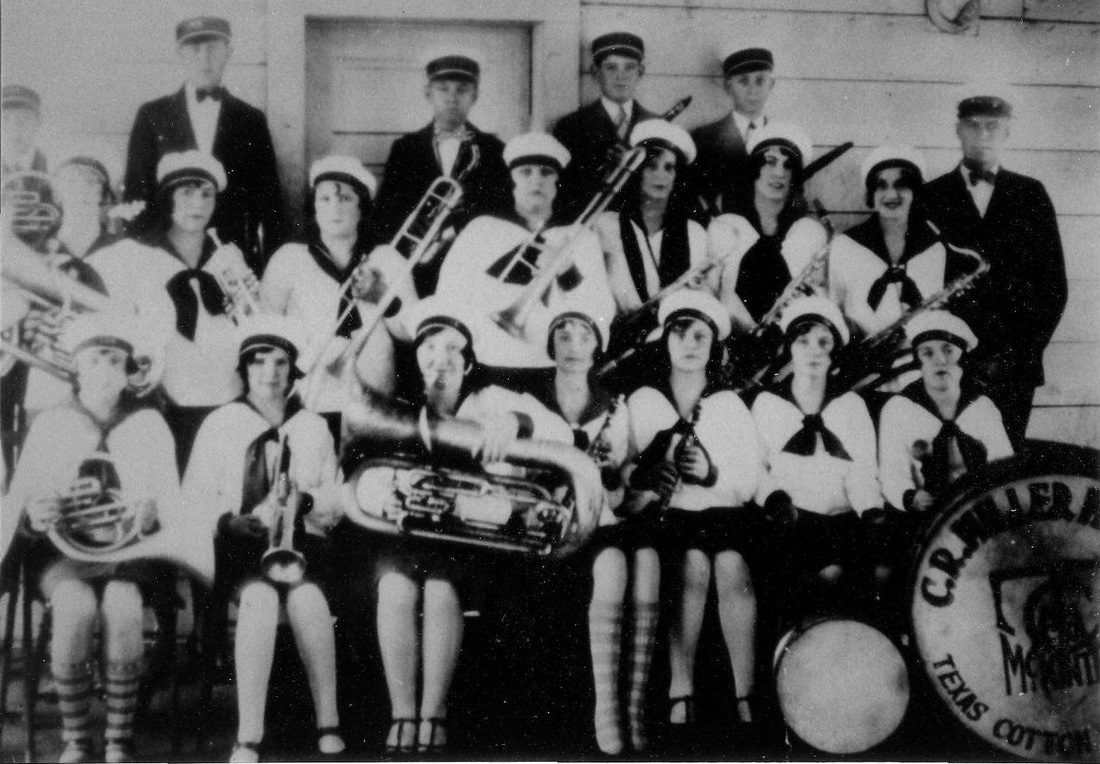
Along with the McKinney Cotton Mill, the entire neighborhood thrived, building its life around the enterprise. Until 1927, the factory complex consisted of a mill, an administrative building, three warehouses, a water tower, a cooling pond, a concrete reservoir, a boarding house, a conference hall and about 100 residential buildings. Although the apartment buildings for employees were small, they had a modern minimalist design and a large courtyard.
Dallas citizens who chose to commit their lives to this area worked every day not just for the development of the textile factory but also to improve the community’s welfare. For decades, community groups have had their own sports teams, a music orchestra, local stores, churches and other facilities necessary for quality life.
People in the present day speak with sadness about the memories of their ancestors who lived in those days.
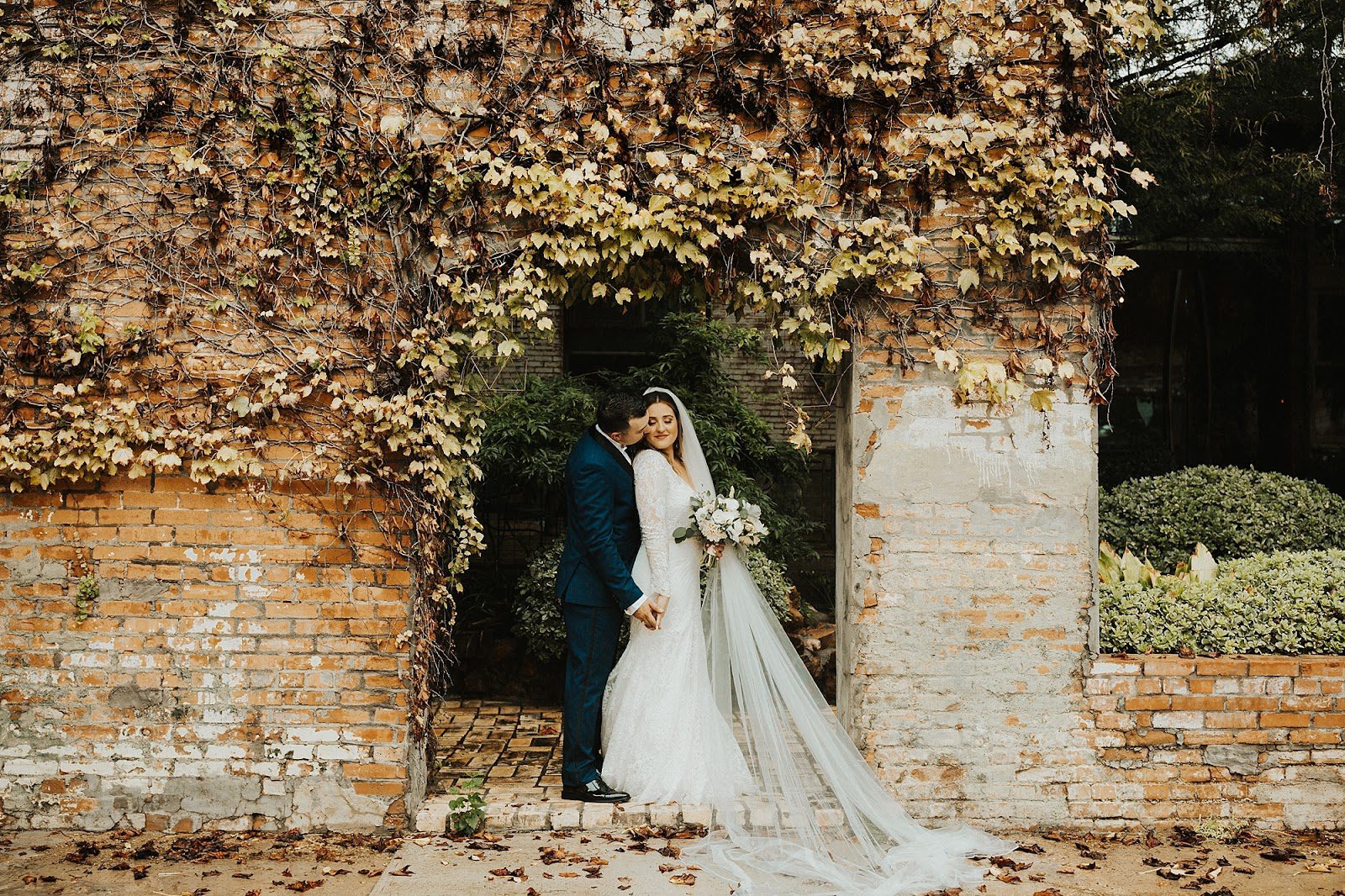
When the McKinney Cotton Mill ceased operations, its property was vacant for a while. Over time, the area began to include restaurants and cafes, which hosted lavish weddings, birthdays and other celebrations. For example, in the early 2000s, locals truly enjoyed the tradition of holding vow-making ceremonies near the mill itself. However, even this did not help to restore the area’s former rhythm of life. In 2023, the city of Dallas proposed resuming operations at McKinney’s Cotton Mill and replacing old small residences formerly owned by workers with new multi-story buildings.