

When summer temperatures in North Texas consistently climb past 104°F (+40°C) and the ERCOT grid is pushed to the brink by millions of running air conditioners, Dallas is finding relief where few thought to look: deep underground.
Texas has historically viewed its subsurface purely through the lens of oil and gas. Today, however, the Dallas–Fort Worth metroplex is undergoing a quiet engineering revolution. Innovative closed-loop geothermal systems are turning the earth beneath the city into a massive seasonal battery—storing cooling in summer and heat in winter—while rewriting architectural standards and local energy dynamics. Here is how it works, as explored on dallas-name.com.
The Texas Thermodynamic Pendulum: How Subsurface Geoexchange Works
Unlike geothermal power stations in Iceland or California that tap volcanic steam reservoirs for utility-scale electricity generation, Dallas’s geothermal architecture relies on a different mechanism: passive ground-source heat exchange.
Between 200 and 500 feet (60 to 150 meters) below North Texas, underground temperatures remain steady year-round at a comfortable 68°F to 70°F (+20…+21°C). This creates an ideal thermodynamic delta compared to the scorching surface air above.
- Summer Mode (Heat Dissipation). Geothermal heat pumps pull excess heat out of building interiors and circulate fluid through closed-loop piping deep into the earth. The dense ground functions as a massive natural radiator, cooling the fluid before circulating it back up to the building.
- Winter Mode (Heat Extraction). During brief winter freezes, the flow is reversed. Heat is drawn from deep underground strata and directed indoors, requiring minimal electricity simply to run the circulation loops.
Thanks to steady underground temperatures, geothermal systems consume 40% to 70% less electricity than even the most modern conventional air-cooled AC units, which struggle against blistering ambient air.
An Architectural Leap: From Luxury Estates to Downtown High-Rises
Just a decade ago, geothermal borefields were considered a niche luxury reserved for private estates in Dallas’s affluent enclaves, such as Preston Hollow or Highland Park. Today, the technology has transitioned to commercial skyscrapers, university campuses, and municipal infrastructure across North Texas.
| Feature | Conventional HVAC Systems | Geothermal (GeoExchange) Systems |
| Heat Exchange Medium | Hot outdoor air: running at capacity thresholds in 104°F+ (40°C+) heat. | Stable earth: capitalizing on consistent 68–70°F (20°C) ground temperatures. |
| Water Consumption | Massive: millions of gallons evaporated annually through cooling towers. | Zero: completely sealed, closed-loop underground piping. |
| Building Aesthetics | Rooftop clutter: noisy chillers, fans, and cooling towers that compromise design. | Clean sightlines: virtually all equipment is concealed below ground. |
| Lifespan | 10–15 years: accelerated corrosion driven by heat, humidity, and constant overload. | 25 years for internal heat pumps; 50+ years for high-density polyethylene underground loops. |
Architectural Detox: Phasing Out Cooling Towers
Standard Dallas skyscrapers consume millions of gallons of potable water every summer via evaporative cooling towers. Geothermal installations eliminate these massive water-guzzling units altogether. This not only eases regional water strain but also frees up prime rooftop real estate. In place of industrial fans, developers are installing rooftop gardens, residential pools, and solar arrays.
Fast-Tracking LEED Gold and Platinum Certification
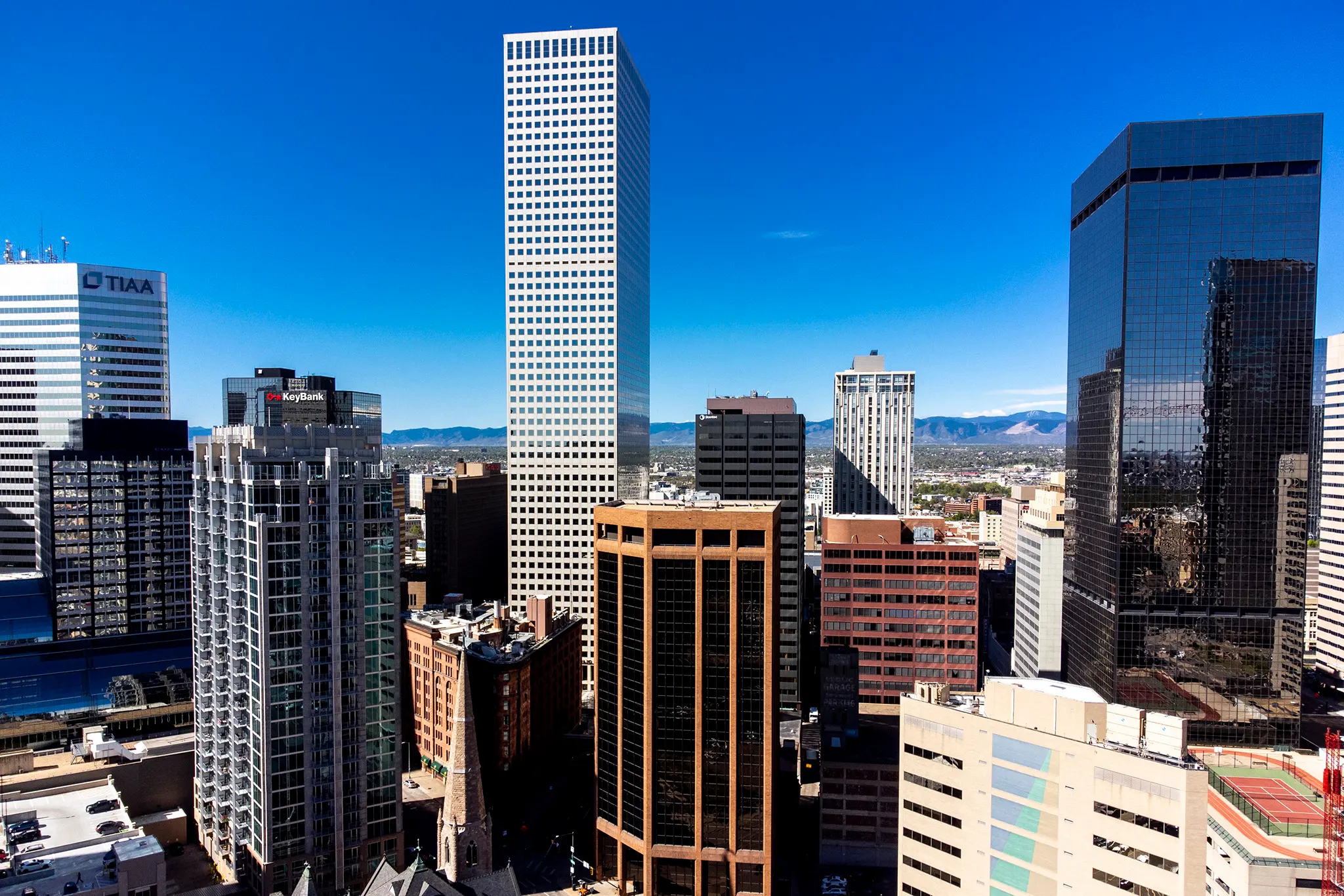
For DFW developers, geothermal loops have become one of the most reliable pathways to earning LEED Gold and Platinum ratings. A prominent example is the George W. Bush Presidential Center at Southern Methodist University. The facility anchored its building systems around geoexchange, driving down energy use to record lows for Texas institutional buildings.
Drilling Transfer: Oilfield Expertise Fueling Clean Energy
Dallas holds a rare engineering advantage: North Texas has long been home to one of the world’s densest concentrations of drilling hardware, subsurface specialists, and geological datasets. As the energy landscape began prioritizing lower emissions, DFW’s drilling sector pivoted, channeling its rigs and subsurface know-how into geothermal applications.
This transition has triggered a direct technology transfer between traditional fossil fuel operations and clean-tech infrastructure.
- Directional and Horizontal Drilling
Dallas-based engineering firms have repurposed advanced directional drilling techniques honed across the Permian Basin and the Barnett Shale. This enables crews to drill boreholes at precise angles, weaving underground piping beneath existing city blocks, dense subdivisions, and active parking lots without demolishing buildings or tearing up asphalt. - Workforce Retooling and Digital Subsurface Twins
Hydrodynamic engineers, geophysicists, and reservoir modelers who spent years developing shale assets are shifting into geothermal energy. Using enterprise subsurface modeling software, they generate high-resolution 3D thermodynamic maps of DFW strata, forecasting subterranean heat dissipation decades in advance. - Advanced Geothermal Systems (AGS) and Deep Closed Loops
Texas clean-tech startups are deploying next-generation closed-loop designs. Reaching depths of several kilometers where formation temperatures are substantially higher, working fluid circulates within sealed steel piping. This setup captures immense thermal energy to support entire districts and industrial parks—all without hydraulic fracturing, induced seismicity, or groundwater contamination risks.
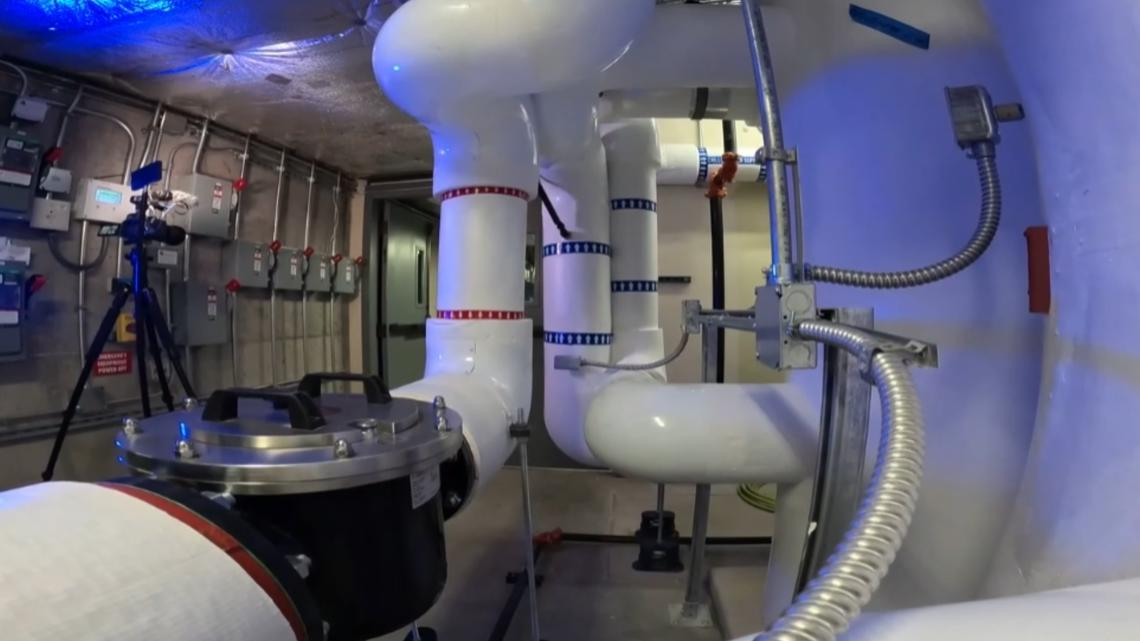
This industrial synergy has made Texas a compelling case study where the oil and gas sector evolves rather than recedes under climate mandates. Drilling crews that once tapped hydrocarbons are now building the subsurface foundation for zero-emission urban heating and cooling.
Crucially, this gives Dallas unmatched deployment speed. While other global metros spend years sourcing specialized drilling rigs and technical crews, DFW can mobilize equipment from nearby fields, converting city bedrock into a utility-scale energy battery in days.
A Strategic Buffer for the ERCOT Grid
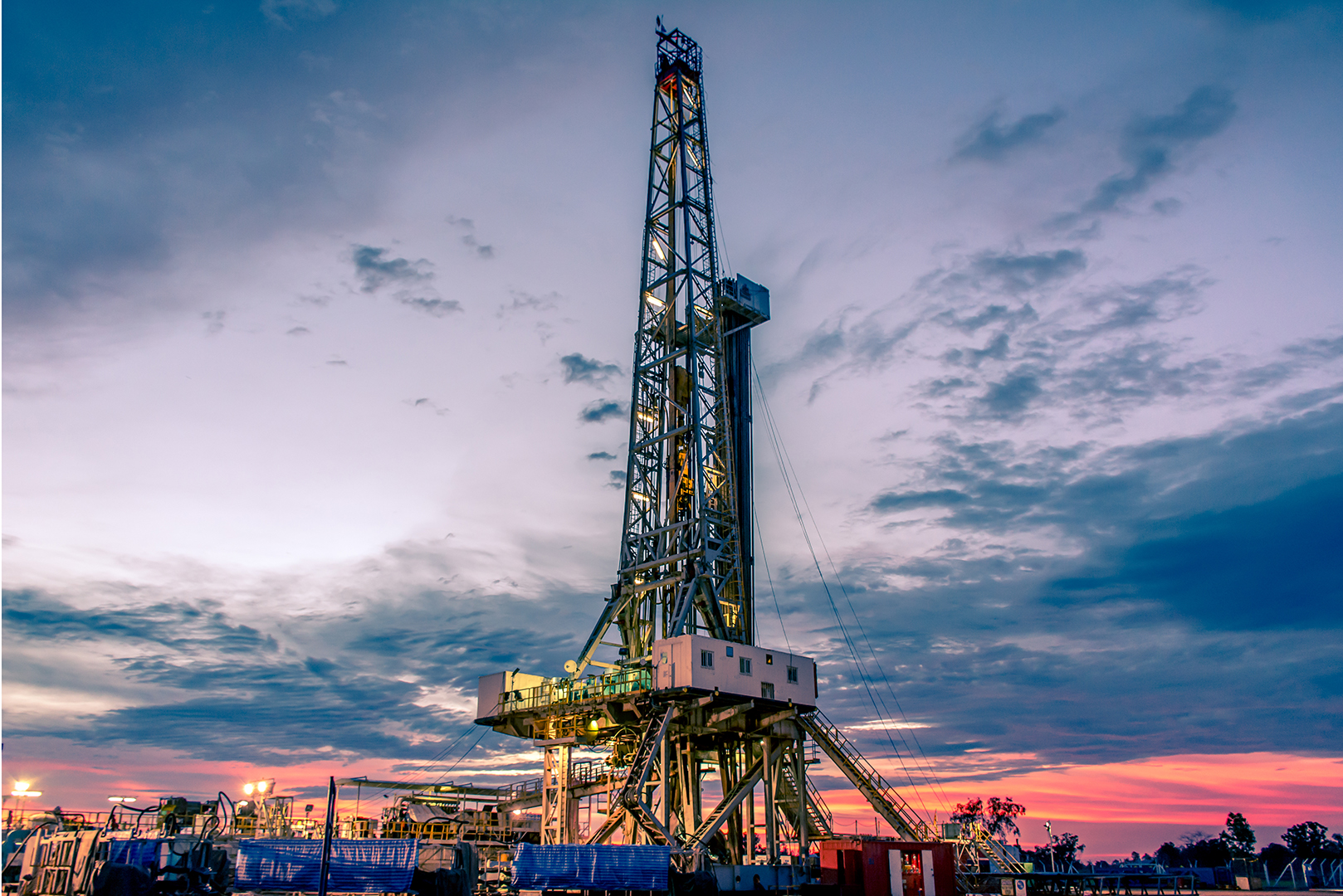
Dallas’s move toward geothermal cooling extends well beyond utility-bill savings and microclimate management. Across the state, it serves as a critical stabilization tool for Texas’s stand-alone electric grid (ERCOT).
Because ERCOT operates as an electrical island with limited interconnections to neighboring states, summer demand spikes can push the grid dangerously close to rolling blackouts. Shifting heat rejection underground provides essential grid relief.
- Shaving Peak Power Demand
Leveraging stable ground temperatures, geothermal properties slash their electrical draw during peak hours (2:00 PM to 6:00 PM) by more than 50%. Instead of forcing grid operators to dispatch expensive peaker plants or buy emergency spot-market power, buildings discharge heat directly into the earth. - Islanded Grid Resilience
Facilities equipped with geothermal loops, rooftop solar, and on-site batteries effectively become self-sustaining energy hubs. Even if severe weather or grid stress knocks out local power lines, the low electrical requirements of geoexchange allow buildings to maintain comfortable indoor temperatures (+72°F / +22°C) for days on basic backup batteries.
By weaving geoexchange into its urban fabric, Dallas offers a clear engineering blueprint. The city is doing more than adapting to rising temperatures—it has turned its geology into a strategic shield, showing that the future of resilient urban cooling lies in the ground right beneath our feet.
