

In the heart of Texas, where industrial giants have long measured success by production volumes and sheer manufacturing scale, an engineering revolution is quietly underway. Beyond the gleaming corporate facades and the constant hum of bustling transit hubs, a blunt, uncompromising question has emerged: what should be done with the dark side of the digital and manufacturing boom — thousands of tons of high-tech and toxic waste?
The days of simply burying waste in the ground or burning it in massive incinerators are fast becoming history. Replacing outdated dogmas is a breakthrough technology operating at the intersection of physics and chemistry, transforming an environmental liability into a clean source of energy. Innovative plasma gasification systems are doing more than just reshaping Dallas’s approach to disposal — they are rewriting the rules for the entire state’s energy ecosystem, offering a bold glimpse into a future where the very concept of “waste” loses its meaning. Learn more about this pioneering disposal technology below at dallas-name.com.
The Post-Landfill Era: Texas Industry Turns to Plasma
The Dallas–Fort Worth metroplex churns out millions of tons of municipal solid waste each year, while local refineries leave behind hundreds of thousands of tons of toxic industrial sludge and hazardous chemical byproducts. Traditional waste incinerators only compound the problem: they release highly toxic pollutants, including dioxins and furans, while facing tightening environmental regulations and mounting pushback from local communities.
Against this backdrop, plasma gasification provides a fundamentally new approach to waste management. Hazardous materials and everyday refuse are not burned with open fire; instead, they are broken down into basic elemental atoms under extreme temperatures, yielding clean energy and valuable secondary raw materials.
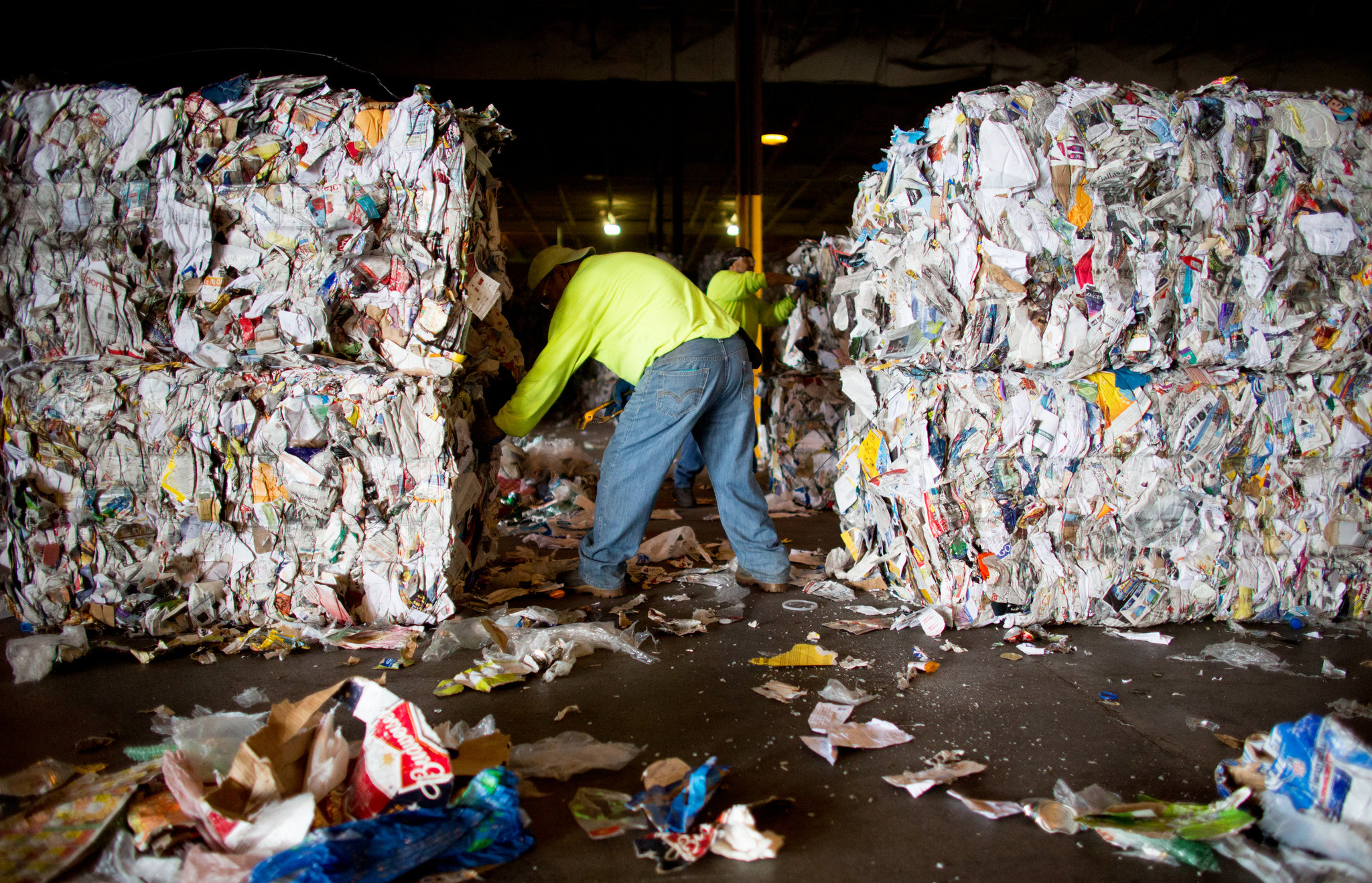
Advantages of Plasma Gasification Over Conventional Disposal
- No Combustion Processes. Because the process takes place in sealed reactors with limited oxygen, the waste does not burn. This completely eliminates toxic soot, fly ash, and hazardous atmospheric emissions.
- Deep Thermochemical Breakdown. Ultra-high temperatures completely destroy even the most resilient toxic chemical compounds, converting hazardous industrial sludge into inert, safe end products.
- Massive Volume Reduction. Unlike traditional landfills that consume vast tracts of land, plasma technology shrinks original waste volumes by 95% to 99%, taking immense pressure off municipal infrastructure.
The transition of Texas industrial powerhouses to plasma gasification marks the dawn of a new era in environmental engineering. Instead of blindly dumping waste into landfills, the state is rolling out a closed-loop recycling model that turns environmental hazards into high-tech resources for tomorrow’s energy grid.
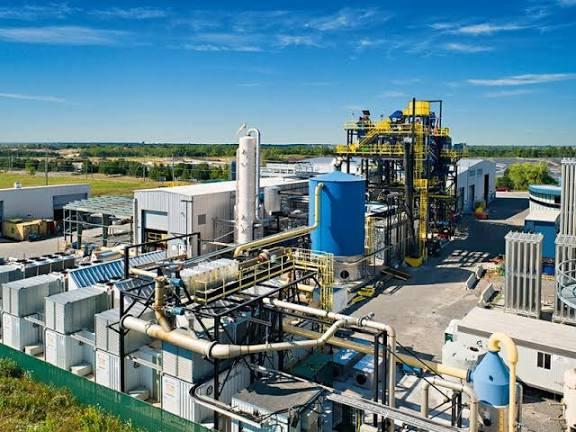
Integration into Dallas’s High-Tech Ecosystem
North Texas has long established itself as the “Silicon Prairie” — a powerhouse cluster boasting an ultra-high concentration of semiconductor fabrication, microelectronics, telecommunications equipment, and aerospace facilities. Yet rapid industrial growth creates a hidden challenge that rarely crosses the average consumer’s mind: how to ensure the safe, zero-waste, and efficient disposal of highly toxic manufacturing byproducts.
The Environmental Challenge: E-Waste and Chemical Reagents
Modern tech manufacturers across the Dallas–Fort Worth area generate tons of specialized industrial waste daily — from multilayer printed circuit boards and toxic high-polymer materials to aggressive chemical reagents and solvents used in chip fabrication. Dumping these materials in landfills creates lasting risks of heavy metals and synthetic toxins leaching into regional groundwater supplies.
Plasma reactors serve as a versatile engineering solution to this challenge. Operating at extreme temperatures, the plasma torch completely breaks down complex electronic waste (e-waste), splitting durable toxic plastics and trapping hazardous compounds in an inert matrix. Furthermore, the process allows for the extraction of rare and precious metals — from gold and silver to palladium and copper — directly from the molten residue, turning the electronic scrap crisis into a closed-loop resource recovery system.
On-Site Power Generation at Mega-Hub DFW Airport
Dallas/Fort Worth International Airport, one of the world’s largest and busiest transportation hubs, is aggressively pursuing carbon neutrality. Managing round-the-clock aircraft servicing and massive passenger traffic generates hundreds of tons of aviation and municipal waste every day, with hauling logistics running up steep financial and fuel costs.
Deploying modular plasma gasification units directly on airport grounds completely upends that model.
- Point-of-Origin Disposal. Waste no longer needs to be hauled off-site, drastically shrinking the transport carbon footprint and optimizing logistics costs.
- Clean Electricity Generation. Syngas produced from gasifying municipal and aircraft waste is combusted in high-efficiency turbines, generating electricity to power terminals, light runways, and run EV charging infrastructure.
- Closed-Loop Sustainability. DFW Airport gains a self-contained, completely eco-friendly baseload power source, bolstering its standing as a world leader among green aviation hubs.
Weaving plasma technology into Dallas’s industrial and transit networks proves that the Silicon Prairie can do more than just innovate: it can set new environmental benchmarks for the global tech sector.
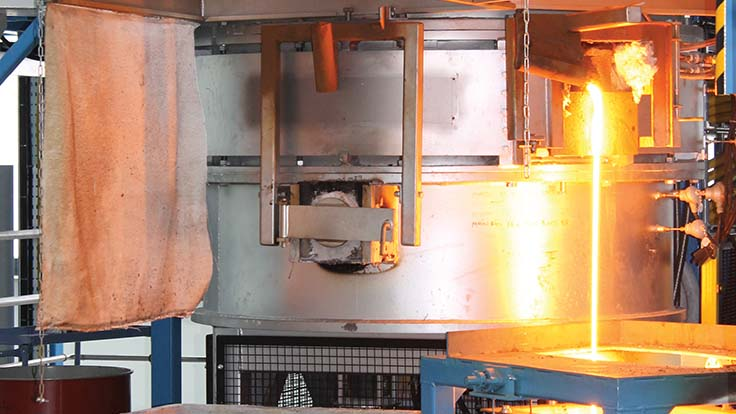
Economics and Ecology: Key Advantages for the Metroplex
Adopting plasma gasification gives Dallas far more than just green credentials. It delivers a highly profitable economic model capable of transforming municipal infrastructure and waste management logistics from the ground up.
- Zero Landfill Disposal. The process shrinks initial waste volume by 95% to 99%, eliminating the need to expand landfills. Its only solid byproduct — an inert vitrified slag — is officially approved by the Texas Department of Transportation (TxDOT) as an ultra-durable road base beneath interstate highway asphalt.
- Zero Carcinogenic Emissions. Inside the oxygen-depleted environment of a plasma reactor, open combustion simply cannot occur. This prevents the formation of hazardous dioxins, making it safe to site these facilities close to Dallas industrial zones without compromising urban air quality.
- Complete Feedstock Versatility. Unlike conventional recycling facilities, a plasma reactor requires no expensive or tedious pre-sorting. It can process unsorted municipal trash, end-of-life vehicle tires, biohazardous medical waste, and dense industrial polymers in a single run.
Shifting to plasma turns disposal headaches into lucrative economic opportunities. For Dallas, this means not only easing environmental burdens, but also creating fresh markets for recycled materials and securing reliable, decentralized energy sources.

Technological Barriers and Scaling Challenges
Despite its vast promise, widespread commercialization of plasma gasification faces serious technical and economic headwinds. Chief among them are steep capital expenditures. Building a modern plasma facility demands substantially higher upfront investment than expanding a landfill or erecting a standard municipal incinerator. On top of that, plasma torches are power-hungry: maintaining a steady electric arc consumes roughly 20% to 30% of the plant’s gross electricity output. As a result, commercial viability depends on non-stop around-the-clock operations paired with high tipping fees. Material fatigue presents another engineering hurdle: extreme heat demands costly refractory reactor linings and routine electrode replacements, which notably drives up ongoing operating expenses.
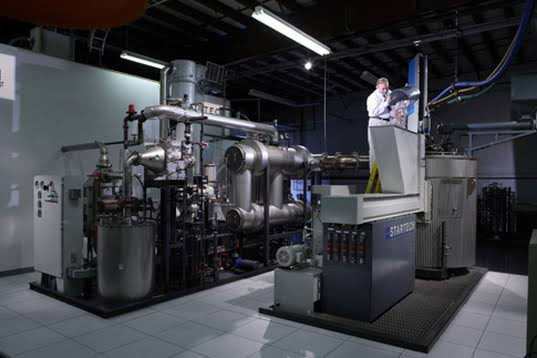
The Future of Energy Autonomy: ERCOT’s Closed-Loop Grid in North Texas
For Dallas, integrating Waste-to-Energy solutions is much more than a waste-handling strategy — it is a foundational pillar of regional grid resilience. Texas operates within an islanded, autonomous power market managed by the Electric Reliability Council of Texas (ERCOT), largely disconnected from neighboring national grids. In this operating environment, distributed plasma power plants can establish a dependable network of local baseload generation right alongside major demand centers.
The decisive edge plasma generators hold over intermittent renewables is weather independence. While solar panels and wind turbines are beholden to daylight and breeze, plasma plants deliver continuous power 24/7/365. That reliability is critical for North Texas during peak stress events — whether during prolonged triple-digit summer heatwaves (above 100 °F / +38 °C), when air conditioning systems push the grid to its brink, or during sudden winter arctic freezes.
Plasma gasification represents the cutting edge of contemporary urban environmental engineering. By converting Dallas’s toughest industrial and municipal waste streams into clean syngas and inert slag, this technology brings the era of open dumps and toxic incineration to a close. Despite high upfront construction costs, the dual capacity of plasma facilities to safeguard the ERCOT grid while powering the Silicon Prairie makes them an indispensable asset for Texas’s technological and environmental independence.
