Alternative energy is one of the key priorities for sustainable development in modern-day Dallas. Today, we decided to take a closer look at this topic. Read more about it on dallas-name.com.
Features of Alternative Energy Development
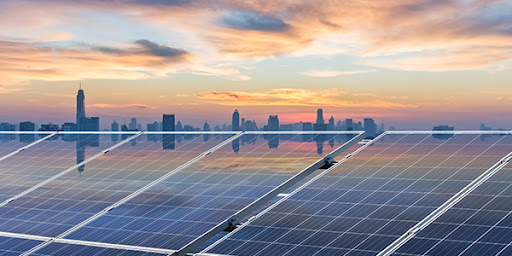
It’s worth noting that Dallas holds a leading position in solar energy production across the United States. The city is also actively developing wind energy. Interestingly, some unfinished nuclear power plants in the region are being converted into factories for producing polysilicon — a key material used in solar panels. As a result, domestic production is expected to increase from 16,000 to 20,000 tons of polysilicon per year, further supporting the growth of solar power.
Dallas has also launched a program to install solar panels on municipal buildings. For example, between 2023 and 2025, solar systems were installed on more than 50 public facilities, reducing traditional energy consumption by 20% and saving the city over $1.5 million annually.
Another notable initiative is the street lighting modernization project, which replaced 10,000 lighting points with energy-efficient LED lamps. This helped reduce lighting-related energy consumption by 40% and lowered the city’s carbon footprint.
Additionally, Dallas has introduced a system for collecting and reusing heat from exhaust gases in municipal transport. This innovation has helped save up to 15% of energy across the city’s bus fleet.
Solar Energy Takes the Lead
As you may have guessed, solar power is the most popular renewable energy source in Dallas. Texas ranks second in the nation for installed solar capacity, with more than 2,500 companies operating in this sector. Solar energy now supplies around 10% of the region’s total electricity consumption, highlighting its growing importance. Beyond reducing dependence on fossil fuels, the solar industry also creates thousands of new jobs.
In Dallas, the largest solar installations are located mainly on the rooftops of municipal and commercial buildings. One of the most significant projects is the Samson Solar Energy Center — a large-scale solar power plant located on the outskirts of the city. It plays a key role in meeting the energy needs of both Dallas and the wider Texas region.
In statistical terms, Dallas receives about 3,000 hours of sunlight annually, making it ideal for efficient solar panel operation. In 2025 alone, the total installed capacity of solar power plants in the Dallas area grew by 50%, with overall solar generation exceeding 500 MW.
At the same time, wind energy is also expanding rapidly in the city and surrounding region. The average wind speed in the area ranges from 5 to 6 meters per second — sufficient for the operation of modern wind turbines. Across Texas, more than 30% of all U.S. wind turbines are located near Dallas, providing over 30 GW of total capacity. These facilities ensure a stable and environmentally friendly power supply.
There’s no doubt that alternative energy offers numerous advantages: it produces no harmful emissions, reduces air pollution and climate risks, and relies on renewable, inexhaustible resources such as the sun and wind. By investing in clean energy, we reduce our dependence on fossil fuels and imported energy — an important factor for national security.
That wraps up our informative overview. We hope you found it interesting and learned more about your city and region’s progress in alternative energy.