In the 21st century, the topic of green building is being discussed more and more frequently. However, not everyone truly understands what it means. Green building is the process of designing, constructing, operating, and renovating buildings with the goal of minimizing negative impacts on the environment. The purpose of such projects is to reduce resource consumption (energy, water, and materials) while improving the quality of indoor spaces for residents. Green construction is becoming increasingly popular in large cities, and Dallas is no exception. Today, we’ll take a closer look at this topic. Learn more on dallas-name.com.
Features of Green Building in Dallas
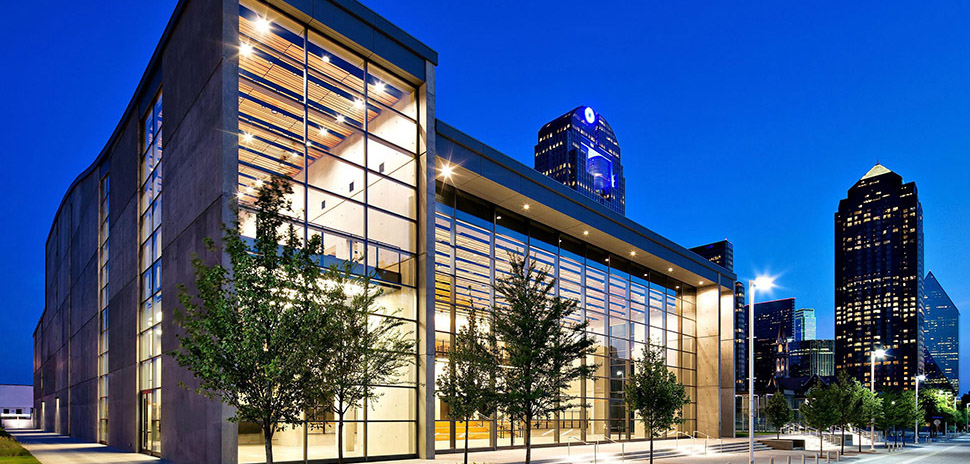
Our city is actively integrating green building practices into modern infrastructure. For example, as of 2025, approximately 30–40% of new buildings in Dallas are constructed according to green building standards that promote energy efficiency, environmental sustainability, and the use of eco-friendly materials.
One distinctive feature of new developments in Dallas is the use of artificial turf systems, which save up to 70% of water compared to traditional grass lawns. This innovation is particularly important for our region’s dry climate.
It’s also worth noting that construction based on international standards such as LEED and BREEAM helps reduce energy consumption in buildings by 20–30% and significantly decreases carbon emissions. According to experts, LEED-certified buildings produce 34% less CO2 than conventional structures.
Green building initiatives in Dallas also include stormwater management systems, the use of renewable energy sources, indoor greenery, and improved comfort for occupants.
Local Programs Supporting Green Building
Dallas offers numerous programs that promote and support green construction. One key initiative is the creation of a digital “Green Platform” — a catalog of available green financing programs for businesses, utilities, government institutions, and local communities. Through this platform, users can access loans, grants, and investment opportunities to implement energy-efficient technologies and modernize existing buildings. Local authorities also encourage construction companies by providing incentives for certified green buildings.
The city has long supported the LEED (Leadership in Energy and Environmental Design) program, which sets standards for energy efficiency, water conservation, sustainable materials, and reduced CO2 emissions. LEED-certified buildings have become a progressive benchmark for new projects in Dallas.
Another well-known initiative is the Zero Waste Dallas program, which promotes material reuse and waste reduction in the construction sector.
All of these initiatives and programs encourage developers to embrace sustainable construction. As a result, several major green building projects have been implemented in Dallas, showcasing high environmental awareness and innovative approaches to architecture and design. One example is Perot Museum of Nature and Science — to earn LEED Platinum certification. The building features rainwater and graywater collection systems, a cogeneration plant for efficient energy production, and an advanced energy-efficient HVAC system.
That’s our overview of green building in Dallas. We hope you found it interesting and learned more about your city’s commitment to sustainable development.