

As the Dallas area partly lies within the so-called “Tornado Alley,” the city constantly faces the threat of devastating twisters.
This geographic characteristic has been confirmed repeatedly throughout the city’s history. Read more on dallas-name.
The Tragic Tornado of April 2, 1957
It was classified as an F3 on the Fujita Scale. The destructive twister traveled a 16-mile path through the city’s western districts.
Ten people lost their lives and more than 200 were injured. Hundreds of buildings were damaged or destroyed, and damages ran into the millions of dollars. This event exemplifies just how serious the threat to Dallas can be. And although the 1957 tornado is often called catastrophic, sadly, it was far from the last.
Why North Texas Is Tornado-Prone
In North Texas, tornadoes most often occur in April and May. The main reason is the proximity to the Gulf of Mexico. In spring, warm, moist air from the Gulf moves north, where it collides with cooler, drier air from the Rockies. This clash of air masses creates unstable conditions that lead to tornado formation. Key factors include wind shear—changes in direction and speed with height—and the availability of warm, moist air.
According to the National Weather Service, the peak severe weather season in North Texas runs from March through June. During this period, not only tornadoes but also hail, powerful straight-line winds, and frequent lightning can occur. Though tornadoes are most common in spring, they can happen in any month.
The Dallas–Fort Worth metroplex ranks seventh among major U.S. metropolitan areas for the number of recorded tornadoes. Researchers also note that the intensity of these twisters tends to increase.
The Deadliest Tornado
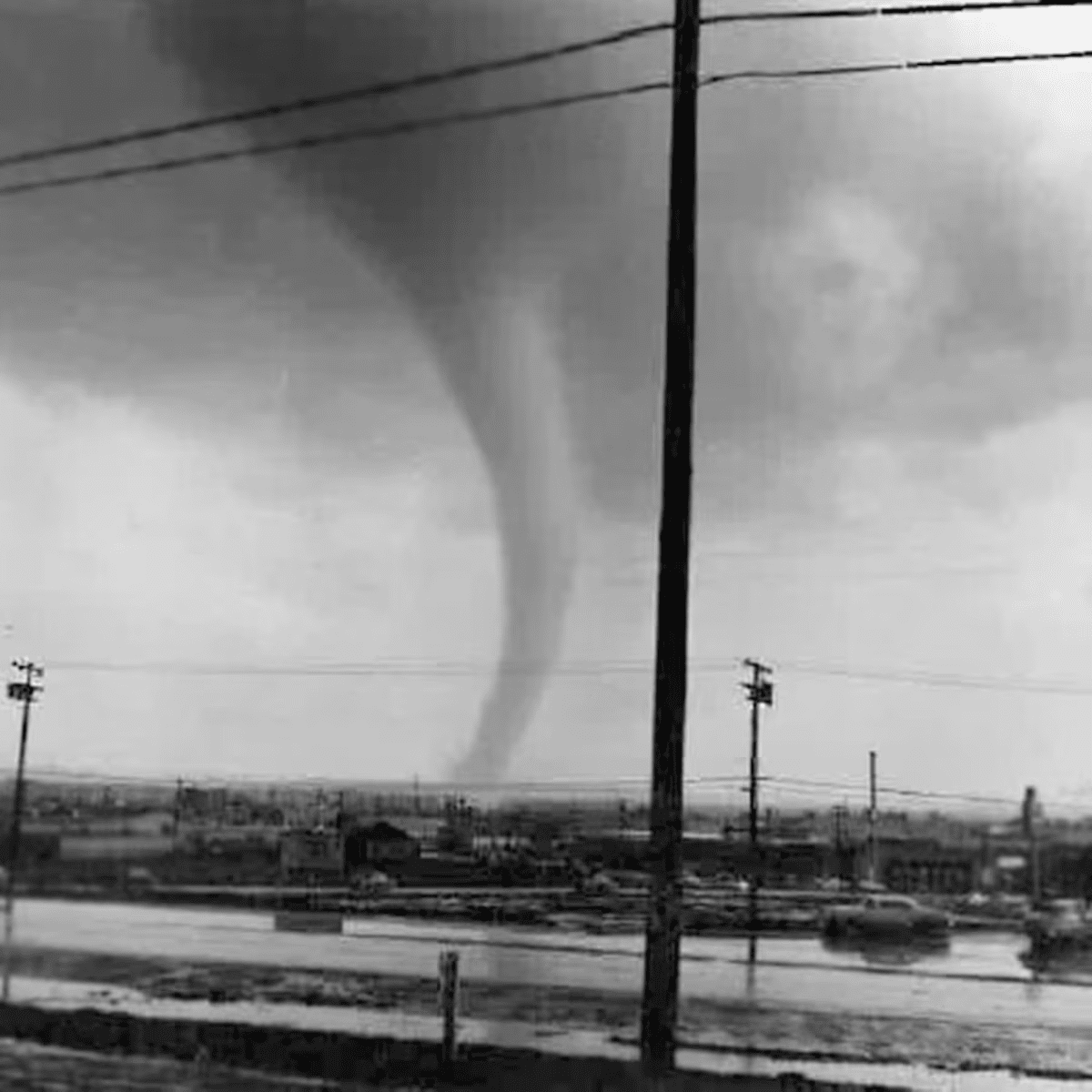
The April 2, 1957 event in Dallas, though tragic in terms of destruction and loss of life, fundamentally changed the scientific understanding of tornadoes. Its strength was later rated F3 on the Fujita Scale (the scale itself wasn’t developed until 1971). While this tornado was weaker than some others—like the F4 that struck Wichita Falls in 1979—its significance for research was exceptional.
In about forty minutes, this twister traveled 16 miles through the Oak Cliff and West Dallas neighborhoods. The results were grim: 10 people died, including three children from one family. At the time, this was the highest death toll from a single tornado in the Dallas–Fort Worth area.
About 200 more people were injured, and 500 were left homeless. In total, the tornado damaged 574 buildings, completely destroying more than 130 single-family homes and up to 28 apartment buildings. At 1957 rates, the financial losses were estimated at $4 million.
What Made the 1957 Tornado Unique
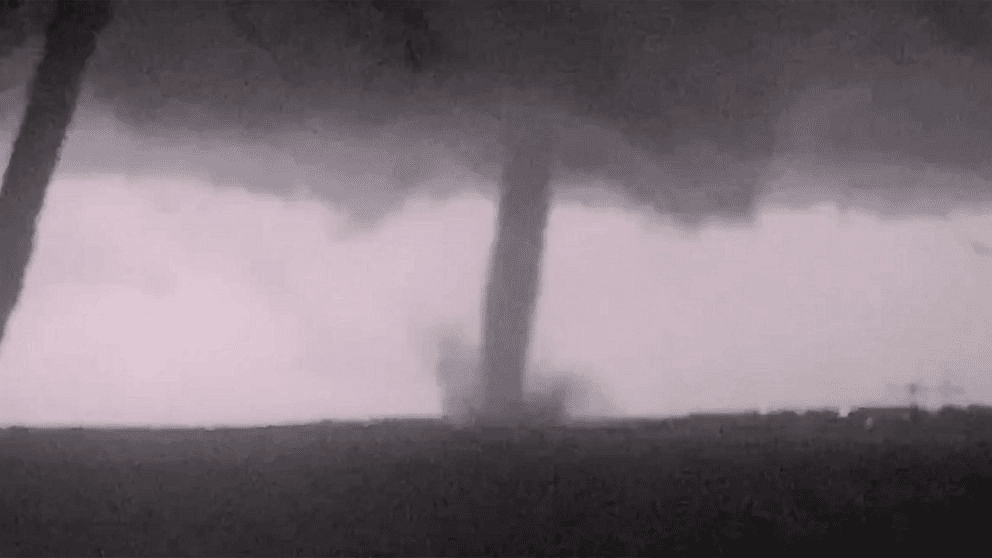
But this tornado was unique not just for its scale of destruction. It was photographed and filmed better than any before. First, the rain had nearly stopped, and the air was clear. The funnel was fully visible—no precipitation or low clouds obscured it.
Second, it occurred in broad daylight on a Tuesday afternoon, and many people witnessed it firsthand. Third, the tornado moved slowly. As a result, 125 people photographed it, and filmmakers captured 600 meters of footage. At the time, this was the largest single collection of photographs and film of a tornado.
These high-quality photos and videos helped scientists take a major step forward in tornado research. For the first time, they could closely study how debris moves within a tornado. This allowed them to reliably calculate the very high wind speeds characteristic of violent twisters.
Additionally, the 1957 tornado tore through different types of structures in the city. Engineers could systematically study how extreme winds affected buildings. This data later helped create the Fujita–Pearson scale for rating tornado intensity.
Other Recorded Tornadoes in Dallas
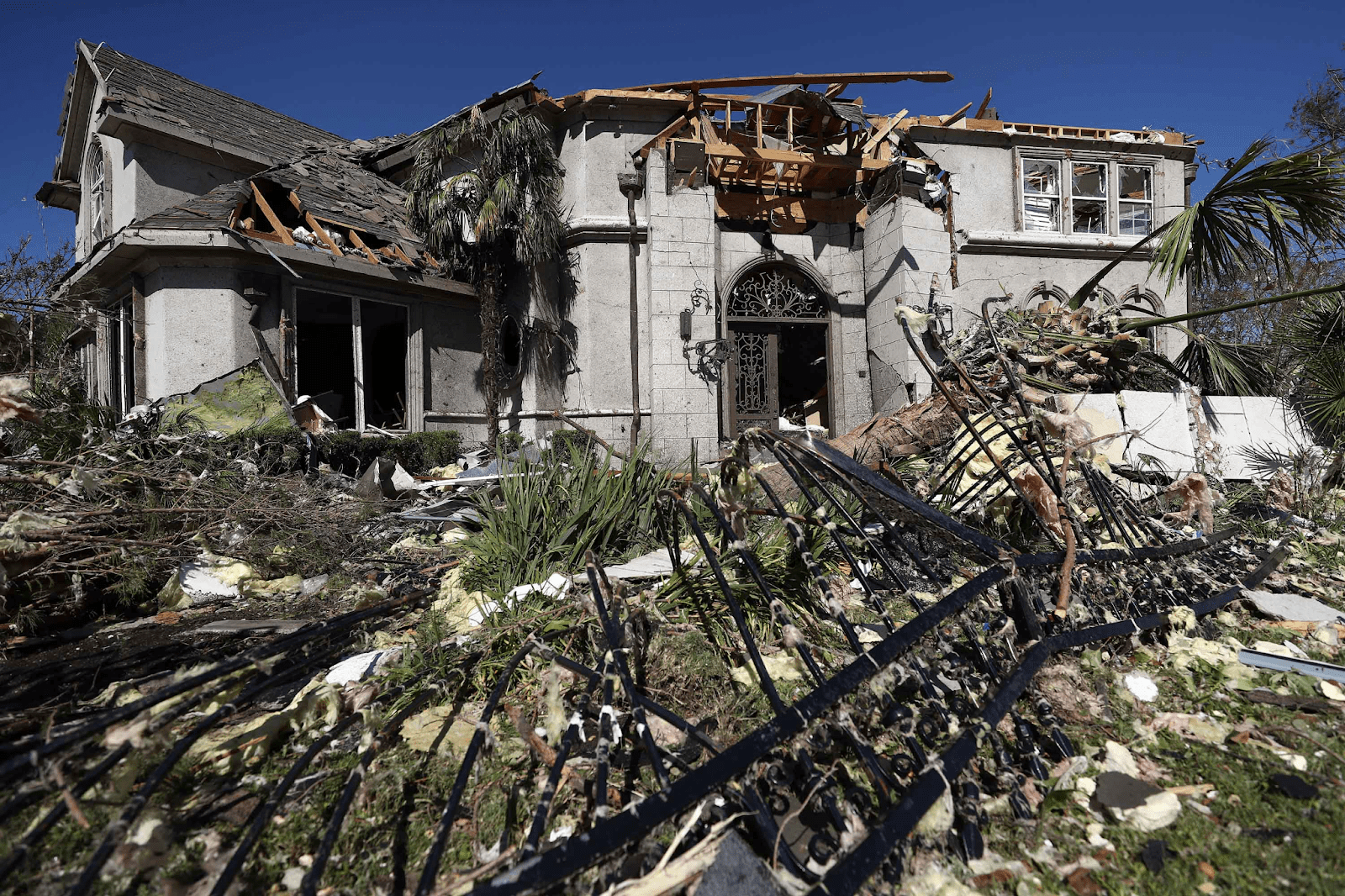
Although the 1957 tornado is often remembered for its historical and scientific importance, the Dallas–Fort Worth region has experienced other powerful and destructive twisters. These events have also left a deep mark on the area’s history.
One such event occurred on April 25, 1994, in Lancaster, south of Dallas. Rated F4, this extremely powerful twister killed three people and caused massive damage, becoming one of the strongest tornadoes in the region.
A more recent tragedy struck on December 26, 2015. A powerful EF4 tornado tore through the eastern suburbs of Dallas—Garland and Rowlett. The storm caused 10 fatalities, numerous injuries, and widespread destruction of homes and infrastructure.
Also noteworthy is the tornado on October 20, 2019, which hit Dallas’s northern neighborhoods directly. This EF3 storm damaged and destroyed hundreds of houses, schools, and businesses along its path. Fortunately, there were no fatalities, but the economic losses were hundreds of millions of dollars.