

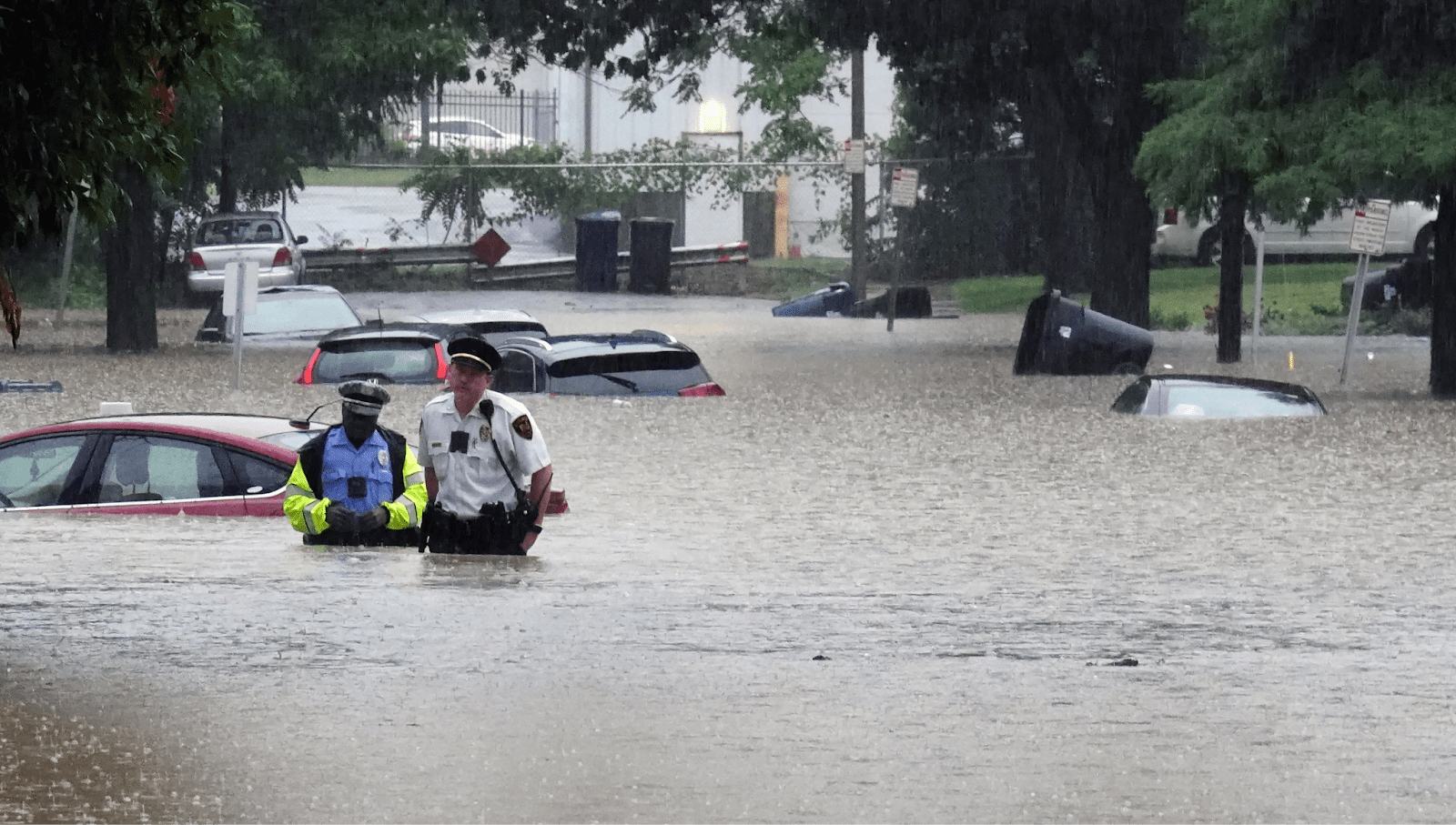
Periodic record-breaking downpours turn Dallas into a no-go zone, as flood levels exceed all safe limits. In these critical moments, it’s clear the city’s infrastructure is unprepared for such volumes of water. Outdated, underpowered drainage systems simply can’t cope with the abnormal rainfall that has become increasingly common in recent years. On top of that, vast expanses of impermeable surfaces accelerate runoff, turning streets into raging rivers. Read more at dallas-name.
The Biggest Flood in Dallas History
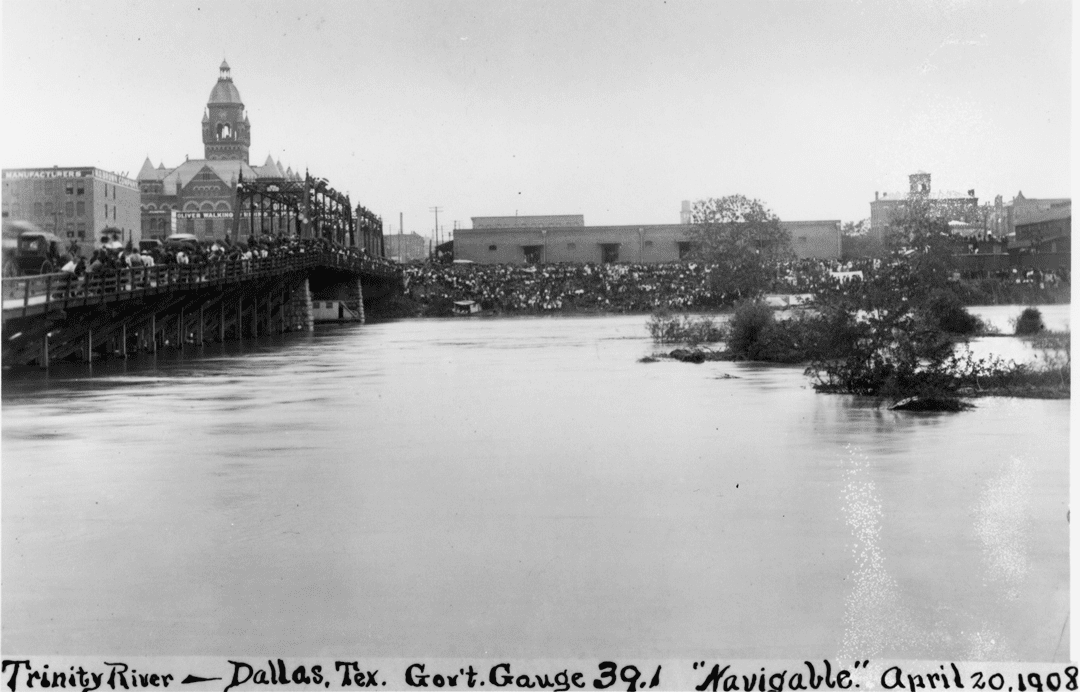
May 1908 went down in Dallas history as the month of the Great Flood. Prolonged downpours caused the Trinity River to overflow its banks, reaching a record 52 feet on May 26—nearly 17 times its normal level. The city found itself at the epicenter of a natural disaster of unprecedented scale.
Floodwaters swamped vast areas, cutting off the Oak Cliff neighborhood from the rest of the city and inundating downtown streets. Experts estimate some 5,000 people—about one in ten of Dallas’s population at the time—were left homeless. The flood destroyed nearly every bridge over the Trinity, knocked out electricity, gas, and water services, and severed telegraph communications. At least five deaths were confirmed.
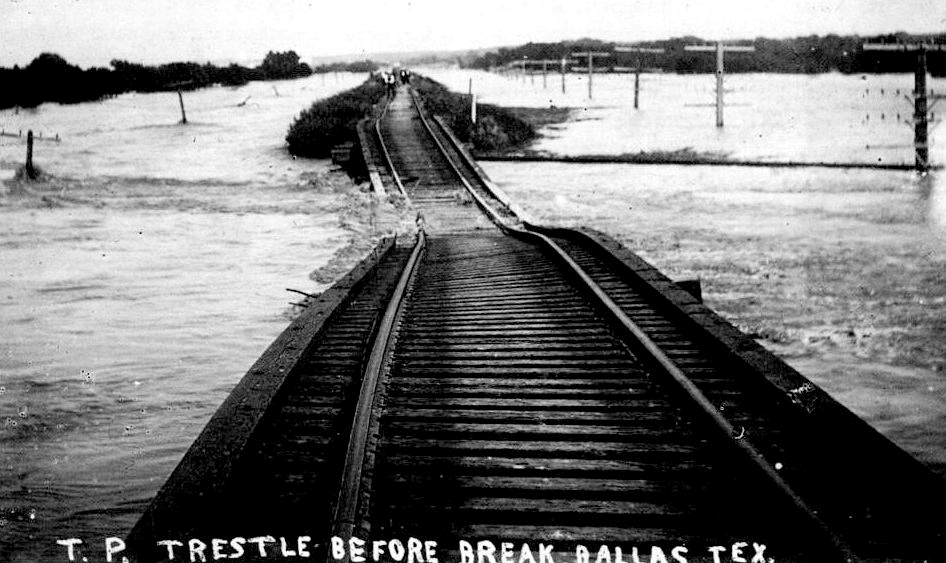
Economic losses totaled $2.5 million—a staggering sum for that era. This devastation not only exposed Dallas’s vulnerability to natural forces but also catalyzed sweeping changes. The Great Flood of 1908 spurred planners to adopt George Kessler’s vision, which included building levees and reconfiguring the river channel.
Architect George Kessler’s Plan
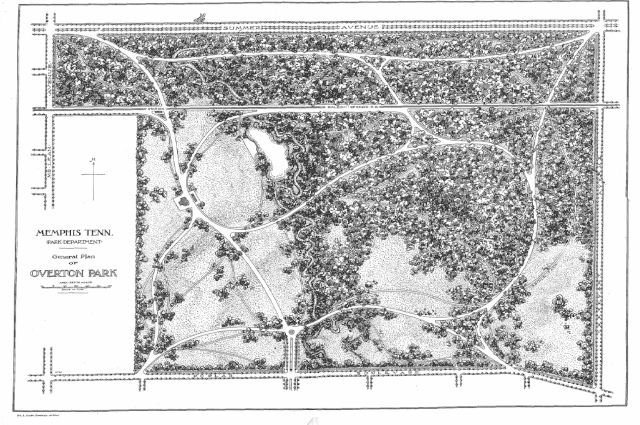
The catastrophic flood convinced city officials that decisive action was necessary. George Kessler, a renowned urban planner, was tasked with crafting a comprehensive development blueprint, later known as the 1911 “Kessler Plan.”
His plan aimed to tame the Trinity and eliminate its threat. Kessler’s solution was to straighten the river’s winding channel and construct levees along its new banks. This would not only protect Dallas from future floods but also reclaim large stretches of floodplain previously deemed unusable.
But Kessler’s vision went beyond engineering fixes. He saw the land between the levees as prime real estate for public spaces. He proposed boulevards and several parks lining the riverbanks, creating leisure zones for residents.
Although full implementation was delayed for decades, his ideas on river control and land reclamation laid the foundation for future development. His foresight continues to inspire modern projects aiming to create a green oasis in the heart of Dallas.
Causes and Scale of Modern Flooding in Dallas
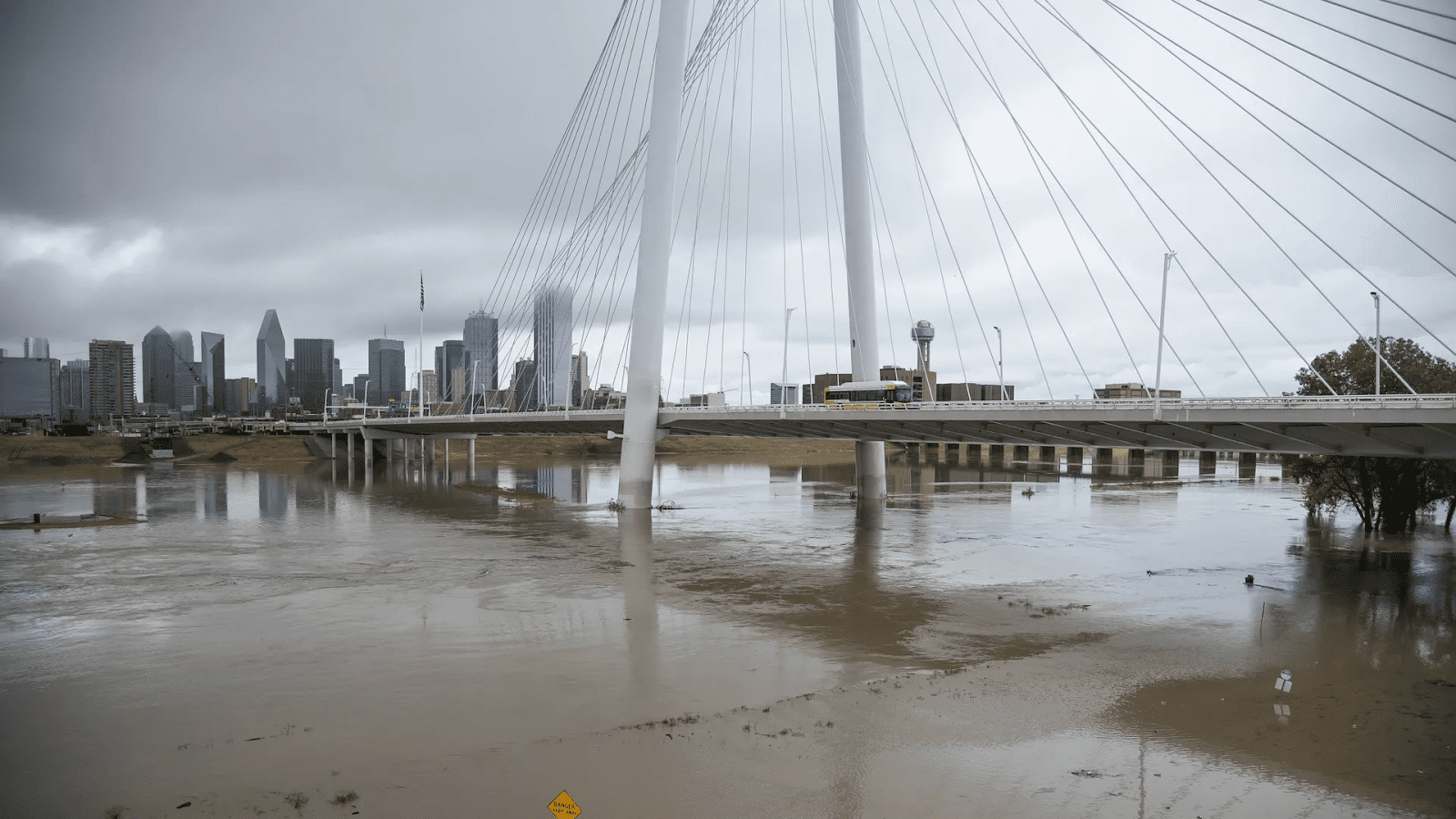
August 2022 tested Dallas once again with unprecedented downpours. In some neighborhoods, a staggering 15 inches of rain fell in just 24 hours, triggering widespread floods. The damage was severe: thousands of homes and vehicles were submerged, the city’s infrastructure suffered extensive harm, and many residents’ lives were disrupted. The situation was so dire that Texas Governor Greg Abbott visited Dallas in person.
Such extreme weather events naturally raise the question: what’s driving them? While each storm has its own meteorological triggers, experts increasingly point to a global factor—climate change. State climatologist John Nielsen-Gammon says that global warming directly affects rainfall intensity.
The problem lies in warmer air’s capacity to hold more water vapor. When conditions favor rainfall, that extra moisture descends as significantly heavier rain than the region experienced historically. While climate change isn’t the sole cause of every natural disaster, it acts as an amplifier, making storms more intense and potentially more dangerous. Dallas’s 2022 flood, dubbed a once-in-a-millennium event by some, was a stark example of this heightened intensity.
This situation presents tough challenges for Dallas and other cities across the state. Infrastructure designed for historical rainfall patterns may prove inadequate for current realities. Significant investments are needed to modernize stormwater systems and flood defenses. Moreover, community awareness is growing that this issue is global, not just local. Devastating floods in Dallas are more than a regional disaster—they’re a warning sign of how climate change affects urban life.
Flood Awareness Week
Every year, Dallas dedicates a Flood Awareness Week to emphasize safety during flood events. This critical initiative helps a city prone to sudden, intense storms. Its main goal is to remind residents of flood risks and simple rules that can save lives.
The campaign’s central message, promoted by city agencies including Emergency Management and the Dallas Water Department, is the now-familiar slogan: “Turn Around, Don’t Drown.” Aimed primarily at drivers, it highlights that attempting to cross flooded roads is one of the most common causes of flood-related tragedies.
It’s important to understand that even shallow water can be deadly. Just six inches of swift-moving water can knock an adult off their feet or cause a car to lose control. When the depth reaches twelve inches, most vehicles—including SUVs and pickups—can be swept away.
Moreover, murky water hides many hazards. You can’t see actual depth, potholes, washed-out sections, or debris beneath the surface. Fast-moving water can also carry branches, rocks, and other debris that can damage vehicles or cause accidents. Unfortunately, statistics show most flood-related fatalities occur when people try to drive or walk through flooded areas.
During Flood Awareness Week, Dallas urges not just drivers but also pedestrians to avoid any flooded areas. Roads, low-lying spots, and even ordinary crosswalks can pose dangers. It’s always safer to choose an alternate route, even if it takes longer. Local organizations also encourage residents to prepare for possible floods: have an emergency plan, monitor weather forecasts, and report clogged storm drains or other issues that could contribute to flooding.