

Climate changes are manifested by changes in weather conditions over a long time. Every region or natural area on the planet is characterized by specific weather at certain times. If a small change occurs once a year, it does not yet indicate climate change. However, if deviations are observed yearly over at least three decades, it already signifies a manifestation of global change. As a result, people have to face heat waves and hurricanes, floods and fires and droughts. Also, they have to deal with reducing crop yields, drying up rivers and many other disasters. Continue reading at dallas-name.
Climate change experienced in Dallas
As of 2016, Dallas, like other cities in Texas, had an average temperature increase of 1.5 °F (0.83 °C) over the 20th century. The primary cause was the high greenhouse gas emissions within the United States as well as in other countries around the world. These very greenhouse gasses are one of the major causes behind the acceleration of global warming. They include carbon dioxide, methane and nitrogen oxide.
A city’s struggles with greenhouse gasses
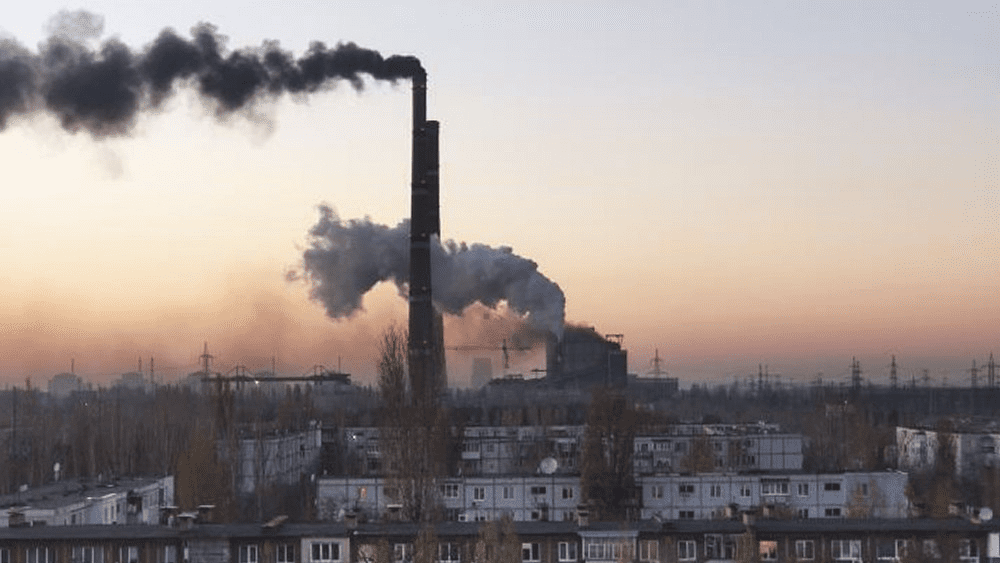
In May 2020, the Dallas Comprehensive Environment and Climate Action Plan was approved in Dallas to reduce greenhouse gas emissions by 43 percent by 2030 and achieve carbon-neutral status by 2050. For this purpose, the plan emphasizes the development of renewable energy and energy-efficient construction of structures, reducing waste and protecting water resources. It also includes increasing the number of green spaces, controlling air purity and increasing access to a healthy local food supply. Among the methods worth mentioning to help achieve the goals are the allocation of grants and loans along with the involvement of partners, as well as engaging more climate awareness approaches such as teacher training courses, museum exhibits, etc.
The effects of climate change are already tangible
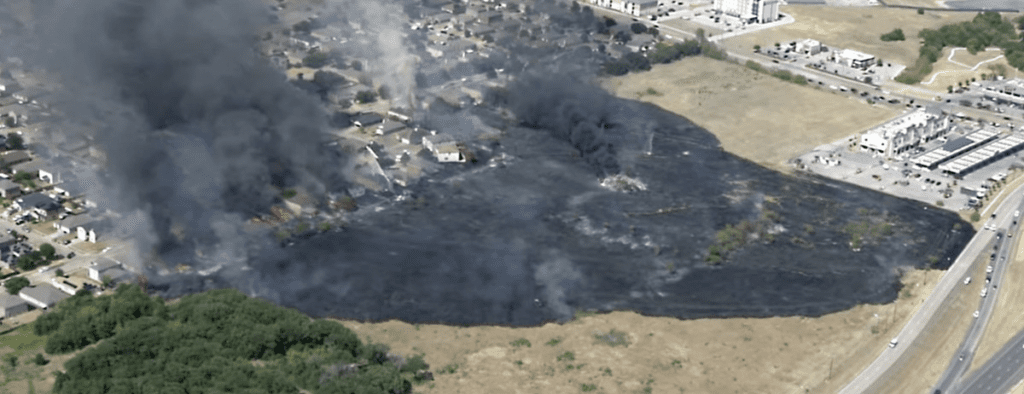
Increased temperatures, drought and strong winds are the major factors that can cause a fire with a little spark. Such was the case in Dallas in 2022, when the city was engulfed by fire, destroying and damaging several dozen homes. One of the most likely causes of the fire was grass mowing, when the blades of the mower collided with some hard object, creating a spark. The grass quickly caught fire and the fire spread to the residential area, first damaging fences and then spreading to residential buildings. Winds ranging from 15 to 20 miles per hour contributed to the fire spreading, with a general fire covering an area of three acres. Nine residential buildings in Balch Springs, 15 miles east of downtown Dallas, were utterly destroyed, plus a dozen more were damaged by the fire.
Besides Dallas, many other Texas cities were affected in 2022. A series of forest and grass fires swept through the state, burning a total of 210,000 acres. There were an estimated 371 separate fires across Texas, with the biggest covering Eastland County, where over 11,000 acres of land burned and smoke reached all the way to Houston.
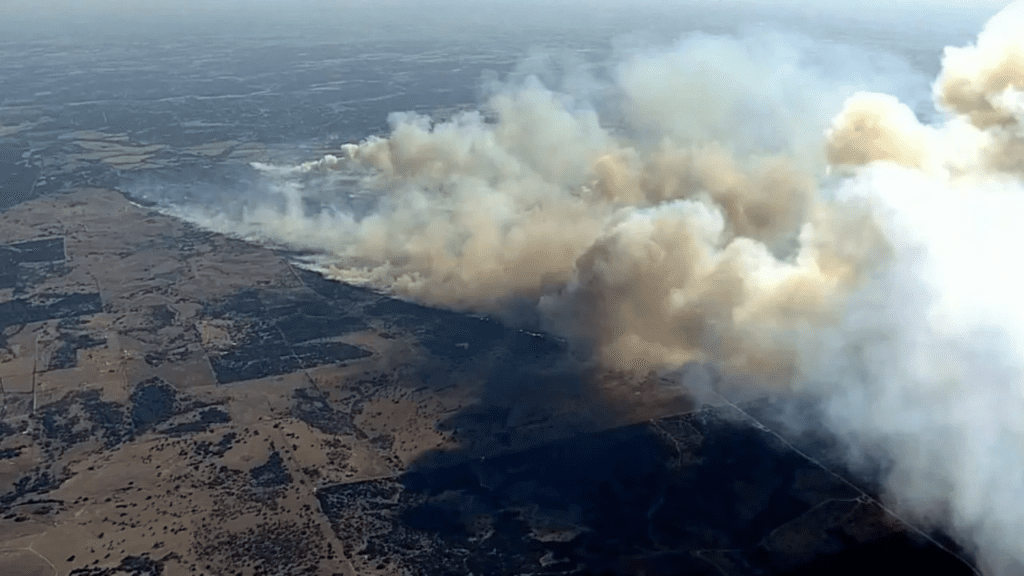
Wildfire in Eastland County
Authorities have stated that the increase in wildfire activity in Texas in 2022 was caused by critical fire weather and high winds. In particular, the state had experienced a severe drought since the fall of 2021 that continued to intensify throughout the year. It could have been one of the decisive factors in Texas’ wildfire outbreak.
Rising temperatures and low precipitation cause the air to become drier and the vegetation to dry out, creating the perfect conditions for fires to spread in the event of even a minimal grass fire.