

In today’s world, having electricity in homes, places of business, or just on the street is already taken for granted. However, back in the late 19th century, the idea of electrifying Dallas was viewed with apprehension. Learn more about the appearance of the first power plant at dallas.name.
The emergence of the first power plants in the city
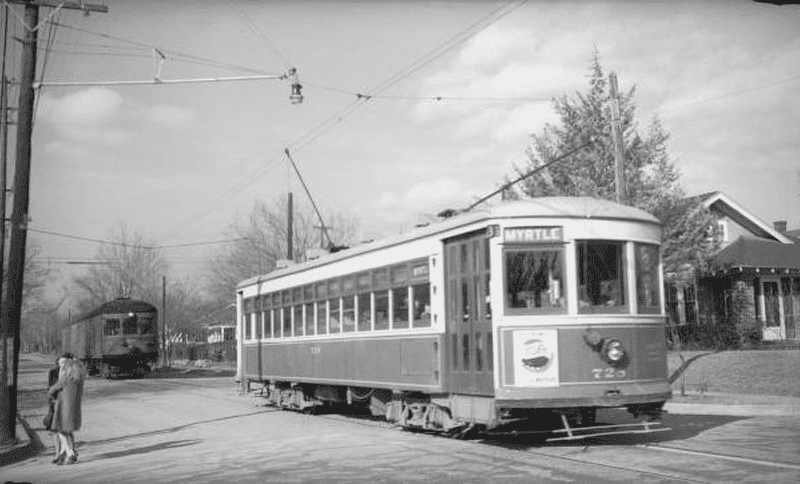
The Dallas Electric Lighting Co. was established in 1882 by Alex Sanger, Julius Schneider and W. C. Connor. They then petitioned the local authorities to build and operate a power plant. After obtaining permission, they started construction. For this purpose, they chose an old wooden church on Carondelet Street (now Ross Avenue). That was the beginning of the history of electric power in Dallas. For the first time, the city’s streets lit up at night. The electrified streetcars began operation. Next, electric lights were installed in homes and local businesses.
Competition in the power industry
After a while, it was also established a second company, the Dallas Electric Co., in 1890. The company built a brick power plant on Griffin Street. In 1899, the plant was expanded to become one of the largest in the country. Three years later, Dallas Electric Light & Power Co. bought that plant and built a new, more modern and powerful one that could cover all of the city’s needs, which were growing every year.
At the same time, the competition between electric power suppliers was also growing. The First World War resulted in a slight decline in demand for electrification. Nevertheless, in 1917 J. F. Strickland founded the Dallas Power & Light Co. He was able to not only effectively build the company after gaining permission from the city but also buy out his competitors, including Dallas Electric Light & Power Co. The company had 25 thousand customers on its books. The advent of radios, refrigerators and other electrical appliances boosted the demand for electric power. So the company expanded the plant several times in 1924, 1927 and 1954.
The company opened its downtown headquarters in 1931, designed in the so-called American style. The nineteen-story tower was built in the Art Deco style. It became the tallest steel structure in the South at that time. But its most notable feature was its luxurious interior, which had air conditioning and high-speed electric elevators in addition to lighting. Also, an exhibition hall was set up inside, where new electrical inventions were on display.
The tower also had a large stained-glass window depicting Thor, the Scandinavian god of lightning, towering over the city and sending electricity through the power lines.
Two carvings, one representing Thomas Edison and the other of Charles Proteus Steinmetz, have been placed at the facility’s corners. The basement housed the lighting equipment for the storefronts, where business owners could choose their store lighting options. The second floor presented an array of layouts for designers and homeowners to visualize how lighting affects window treatments and interiors. The building was lit at night in red, blue and yellow.
Merger of companies
In 1984, Dallas Power & Light Co. merged with three other companies to form Texas Utilities Electric Co. In the early 1990s, the company moved its headquarters to IM Pei Energy Plaza. By 1999, it was renamed TXU Corp. The Hamilton Properties bought the company’s old quarters in 2003 and conducted demolition work for the American Airlines Center.
The merger of the companies into one provided stability for the industry, making it possible to adhere to the consistent growth of the energy system and meet the electric power needs of the city’s daily life.