

With each passing year, Dallas’s environmental situation worsens. This worries not only local residents but also experts who monitor ecosystem health. Read more at dallas-name.
Environmental Quality in Dallas
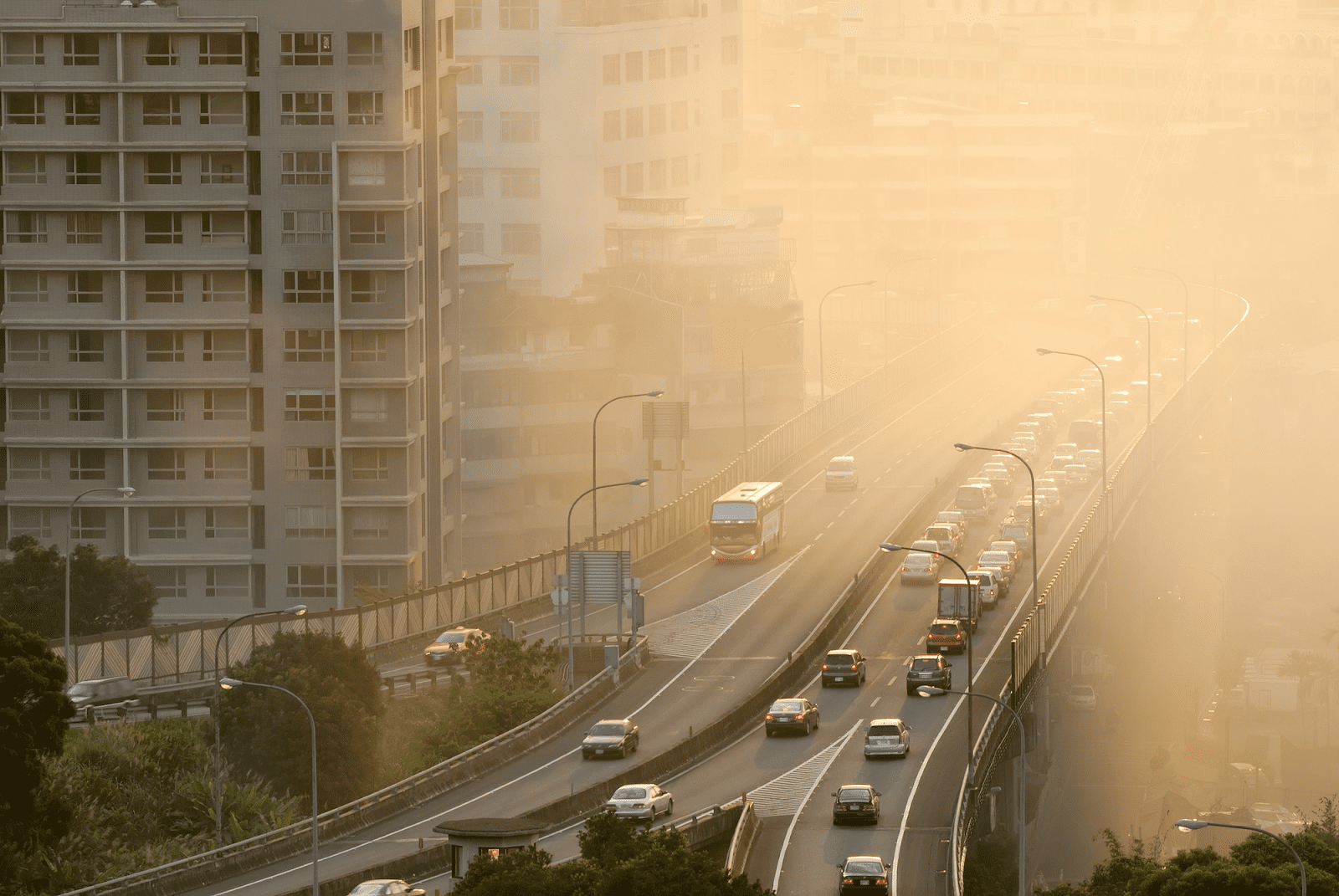
The rapid growth of Dallas, like that of any city, comes at a high price for the environment. Unfortunately, that price is simply too steep. Developing infrastructure inevitably affects environmental quality, meaning residents face a range of challenges:
- Toxic emissions
- Contamination of surface and groundwater
- Soil pollution
- Pest proliferation
- Unpleasant odors
Toxic emissions from heavy traffic and industrial operations significantly degrade air quality. During hot, windless periods, smog often settles over the city, posing a serious threat to people with chronic illnesses, children, and the elderly.
Water pollution, particularly in the Trinity River, stems from inadequately treated wastewater, runoff from roads and construction sites, and agricultural chemicals used in the suburbs. Although city services work to purify drinking water, these ecosystems continue to suffer from contamination.
Issues with soil contamination are mainly linked to the improper handling of industrial and household waste. However, the city administration and active citizens are increasingly focused on this problem, developing projects to reduce environmental impact.
Environmental Impact of Transportation in Dallas
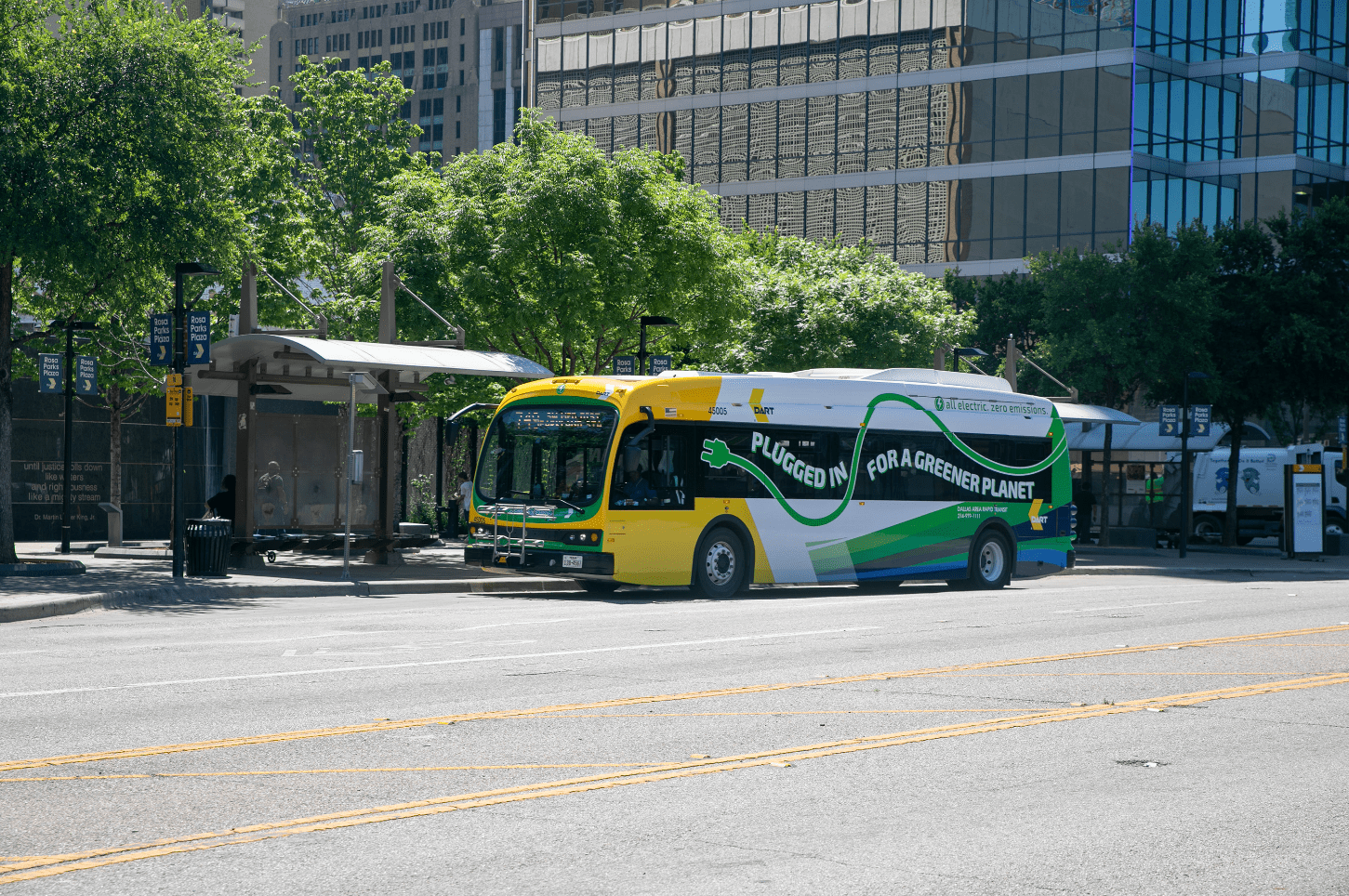
Dallas’s transportation system creates a significant environmental burden. It accounts for 34% of the city’s greenhouse gas emissions, with the lion’s share generated by road vehicles. This is largely due to residents’ habits: most drive alone to work in their personal cars. Alternative modes like carpooling, public transit, walking, or cycling remain far less popular.
Another challenge is limited public transit access: only 18.7% of residents can reach a transit stop within 10 minutes. As a result, Dallas County fails to meet air quality standards due to high levels of ground-level ozone.
To address these issues, city authorities are implementing several initiatives. The most notable is the strategic mobility plan Connect Dallas, developed in April 2021. As the city’s first comprehensive strategic mobility plan, Connect Dallas offers a new approach to transportation planning by creating conditions for investment and ensuring the transit system does not harm the environment.
Additionally, as part of settling a lawsuit between the U.S. Environmental Protection Agency (EPA), the state of California, and the Volkswagen Group, the city received a grant to install electric vehicle charging stations.
Renewable Energy Sources
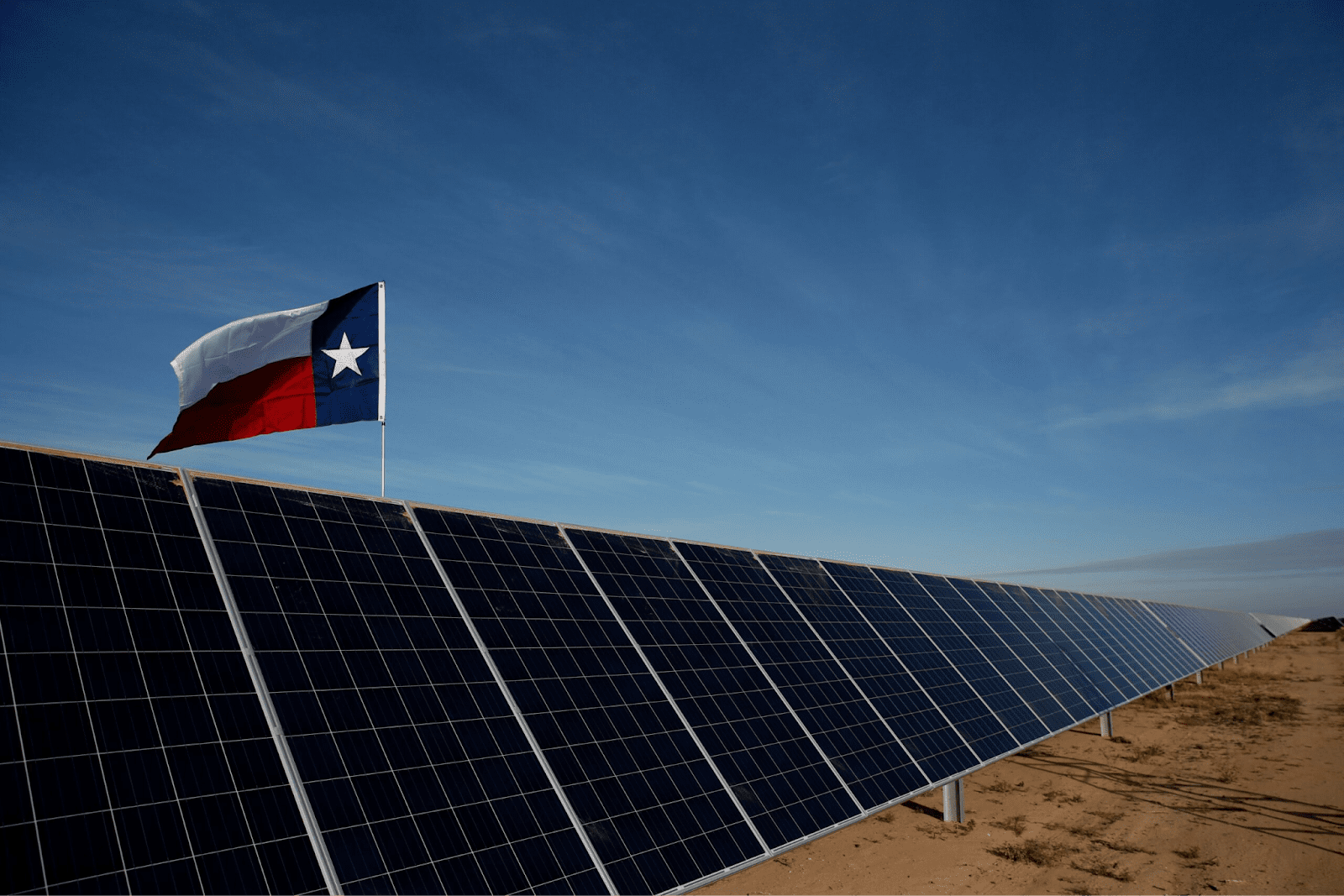
The shift to renewable energy sources has become a vital necessity for modern cities. Solar, wind, and other natural resources offer significant benefits.
First, they deliver a dramatic reduction in greenhouse gas emissions, the main driver of global warming. Moving away from fossil fuels significantly improves air quality and lowers the risk of respiratory and cardiovascular diseases.
Second, developing renewables boosts energy independence and security, cutting reliance on volatile global fuel markets.
Third, the transition to renewables provides an economic boost by creating new jobs in manufacturing, installation, and maintenance of equipment.
For residents, adopting renewables means cost savings, more stable and predictable energy prices, and a move toward a more conscious lifestyle.
One of the leading companies in Dallas focused on renewables is Enbridge. Known for years of collaboration with local communities and landowners, Enbridge aligns its projects so that the interests of people and ecology coincide. This is driven by the company’s specialists, whose deep expertise and experience in renewable energy guide every initiative.
Green Lifestyle of Eco-Conscious Dallas Residents
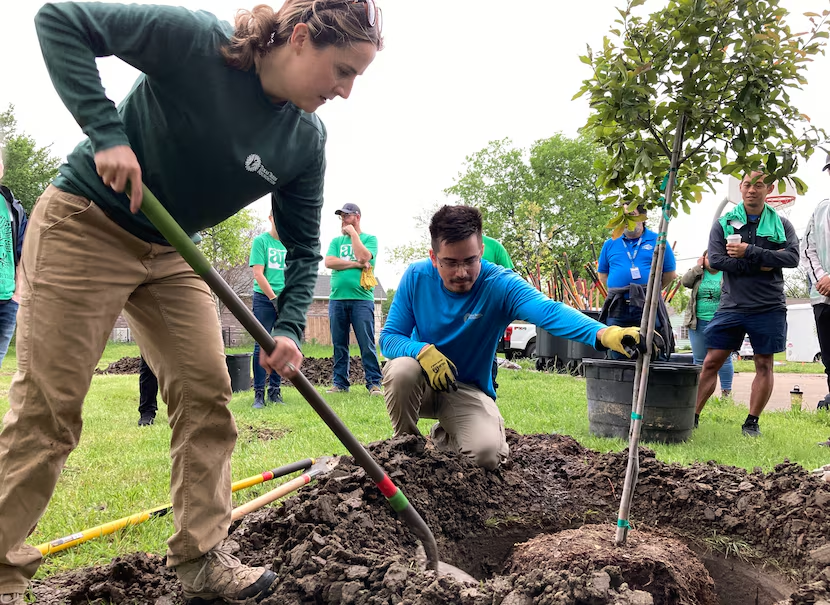
In Dallas, many residents actively care for the environment by taking concrete actions in their daily lives. Their efforts show that environmental stewardship is possible even in a large metropolis.
One common practice is waste sorting. People separate plastics, paper, glass, and metal. Some go further, recycling specific items like old gadgets or batteries at designated collection points.
Beyond waste sorting, these conscious citizens often take part in community cleanups. On weekends, they help clean parks, the White Rock Lake shoreline, the Trinity River, and other recreational areas. Local environmental groups or city services usually organize these events. Tree planting is also popular: programs like the Texas Trees Foundation mobilize volunteers to green the city, knowing that trees purify the air and provide shade—crucial in Texas’s hot climate.
Concern for nature also shows in other ways. Eco-conscious residents strive to conserve water, which is especially important for Dallas. Some volunteer in community gardens or shop at local farmers’ markets, supporting producers and reducing transportation footprints. Others choose public transportation, bicycling, or walking over driving.
Some activists attend environmental lectures and seminars or join public forums to advocate for better urban infrastructure. They often call for more bike lanes on city streets.
All these actions help Dallas residents contribute to preserving the environment and make the city’s ecological situation a bit better.
Sources