

In the modern world, data centers have transformed into strategic infrastructure assets, comparable in importance to power plants or major ports. However, their colossal energy demands and sensitivity to grid disruptions are forcing operators to pursue total energy autonomy. The shift from relying on the public grid to creating self-contained energy ecosystems is becoming the industry’s primary trend.
In this article from dallas-name.com, you will discover:
- How AI-driven intelligent microgrids allow facilities to operate in an autonomous “island” mode during blackouts;
- How hydrogen and fuel cells are becoming an eco-friendly and silent alternative to traditional diesel generators;
- How modern Battery Energy Storage Systems (BESS) turn data centers into profitable, active players in the energy market;
- The future of Small Modular Reactors (SMR) as a source of uninterruptible power for decades;
- How server heat recovery technology integrates digital hubs into the ecosystem of residential neighborhoods.
The Foundation of Independence
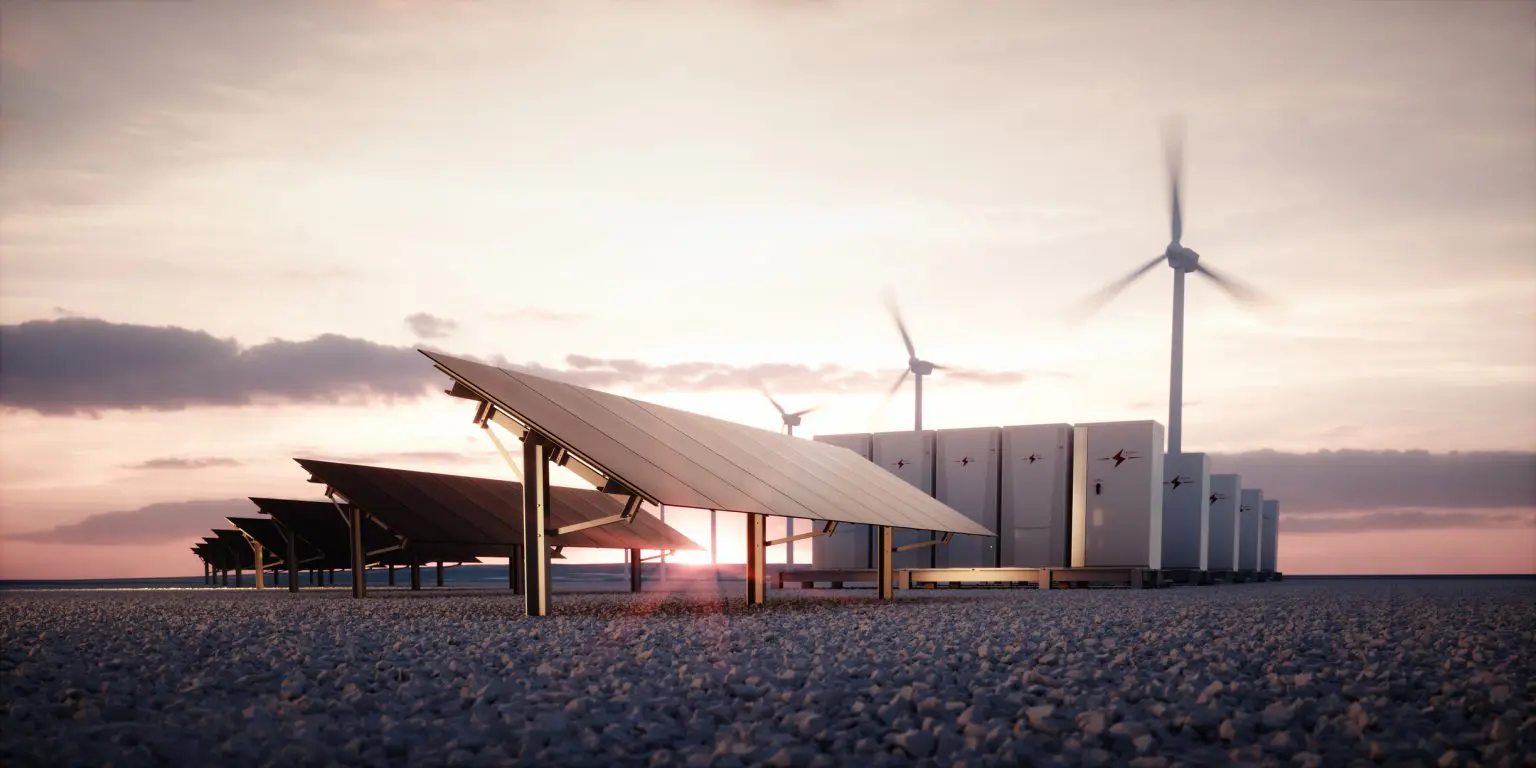
For modern Dallas, which has become one of the world’s largest hubs for data storage and processing, energy stability is not just a matter of convenience—it is a matter of business survival. Amid the instability of the Texas grid (ERCOT), regional data centers are adopting an “energy sovereignty” strategy by implementing Microgrid technology. This allows facilities to become autonomous “islands,” independent of citywide blackouts.
Here is how it works using examples from real Texas technology giants:
- Intelligent Hybridization. A modern microgrid is more than just a large diesel generator. It is an incredibly complex system managed by AI that balances different sources in real-time. For example, during sunny hours, the system uses its photovoltaic farms while simultaneously charging massive lithium-ion or iron-zinc batteries. When electricity prices on the Texas grid skyrocket due to peak heat, the microgrid automatically disconnects the facility from the city and switches to its generation.
- The Goldman Sachs Example. One of the most ambitious current projects in the city center involves creating a high-capacity microgrid. In addition to vast battery banks, engineers plan to use hydrogen fuel cells. This allows the facility to operate for weeks even in the event of a total collapse of external infrastructure, without emitting a single gram of CO₂.
- The Microsoft Example and Their Texas Data Centers. The company is actively implementing Microgrid-as-a-Service technology. In their new centers, they are testing the replacement of diesel generators with units running on renewable biofuels and “green” hydrogen. This ensures a seamless transition (0 ms latency) when switching modes, which is critical for cloud computing.
- Future Projects — Scaling to Residential Neighborhoods. In the northern districts of Dallas, microgrid projects are planned that will link not only data centers but also adjacent residential areas. In the event of a power line failure, the data center will be able to share surplus energy with nearby homes, maintaining critical lighting and communication systems.
The use of microgrids in Dallas is a straightforward response by engineers to climatic challenges. It is a move from passive consumption to active management, where every major technological facility becomes a pillar of stability for the entire city system.
Battery Energy Storage Systems (BESS)
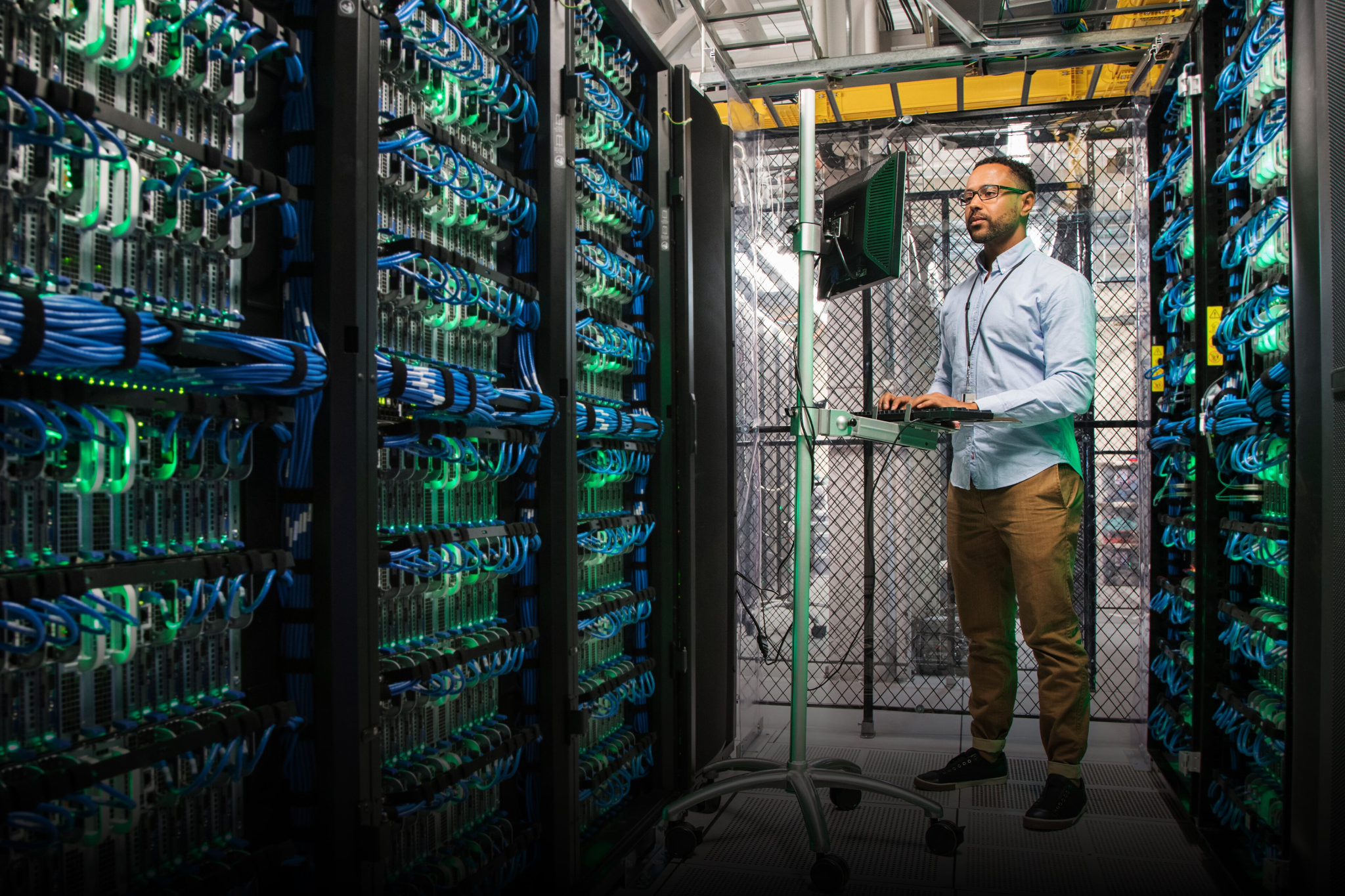
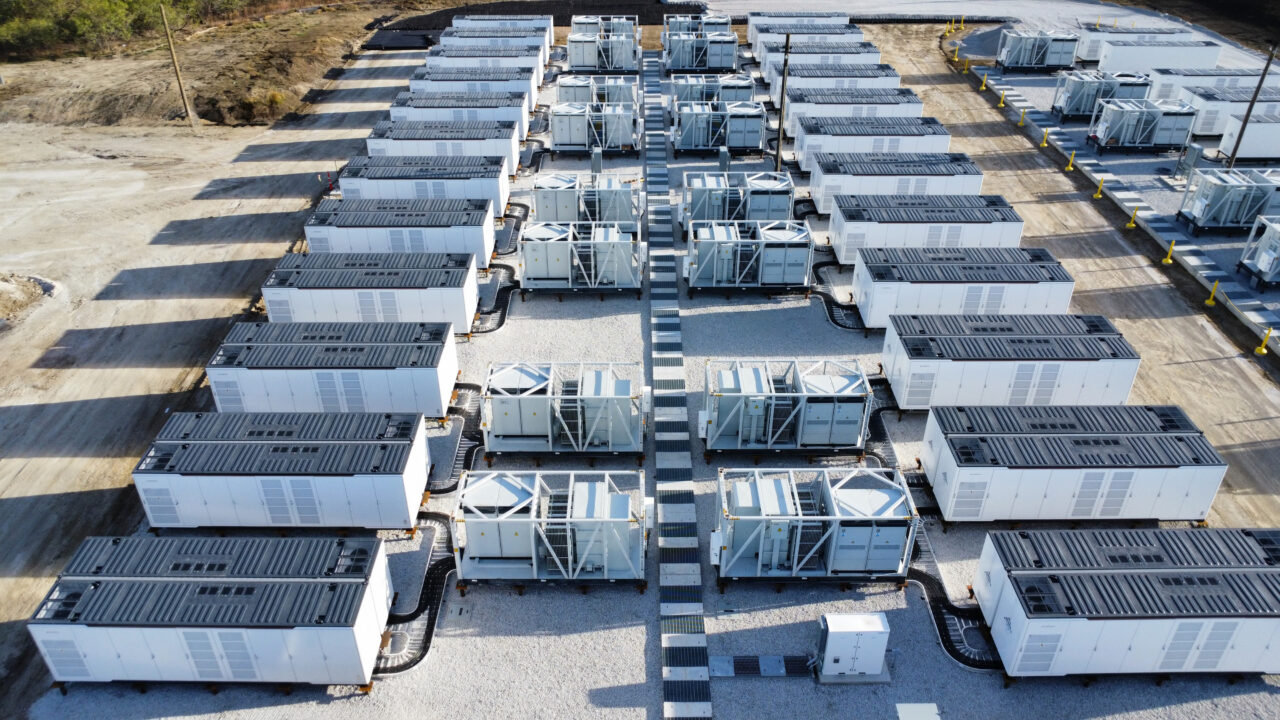
True energy independence for modern facilities in Dallas today relies on the ability to generate and effectively conserve resources. Regional data centers are undergoing a fundamental transformation, moving away from traditional Uninterruptible Power Supplies (UPS) designed for only a few minutes of operation in favor of industrial BESS (Battery Energy Storage Systems).
The use of advanced lithium-iron-phosphate and innovative flow batteries allows for the accumulation of gargantuan volumes of energy, sufficient to sustain the facility for many hours or even days during a total blackout. These technologies transform data centers from passive consumers into active players in the Texas energy market. During periods of low demand, they accumulate cheap renewable energy, and during peak loads—when the ERCOT grid is on the verge of collapse—they can feed surpluses back into the system. This approach not only stabilizes the entire city’s energy system, preventing rolling blackouts in residential areas, but also generates significant profit for center owners, turning every battery system into a high-tech asset.
Hydrogen and Fuel Cells: A Clean Alternative to Diesel
Traditionally, backup power was provided by diesel generators, but the drive for environmental sustainability is forcing the industry to switch to hydrogen.
- Hydrogen Fuel Cells. They convert the chemical energy of hydrogen into electricity through an electrochemical reaction, where the only byproduct is pure water.
- Zero Noise and Emissions. Unlike internal combustion engines, fuel cells operate almost silently, allowing high-capacity autonomous data centers to be located directly within dense urban areas.
Environmental Impact and “Green” Sustainability
The energy autonomy of data centers has a direct positive impact on the environment. Transitioning to self-sufficiency reduces the load on aging city infrastructure and stimulates the development of clean technologies.
- Carbon Footprint Reduction. Autonomous facilities are usually based on renewable sources. On-site generation avoids energy losses during long-distance transportation.
- Heat Recovery. Energy-independent centers are often integrated into city heating systems. The heat released by servers during operation is not vented into the atmosphere but is used to heat residential blocks or greenhouses.
- Circular Economy. Using rainwater to cool generation systems and employing closed-loop server cooling cycles make autonomous data centers an example of rational resource management.
SMR: The Future of Autonomy in Small Modular Reactors
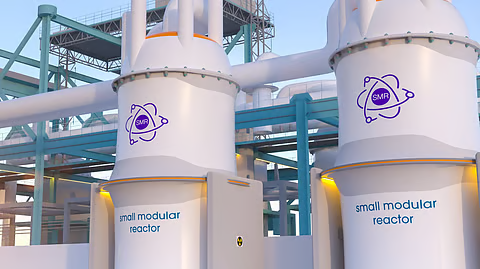
The most promising, though complex, direction for autonomy is the use of Small Modular Reactors (SMR).
- Constant Power. Unlike solar or wind, SMRs provide stable generation 24/7 for decades without refueling.
- Compactness. These reactors are manufactured in factories and delivered to the site ready-to-use, allowing for the creation of fully independent digital hubs in remote regions or areas with energy deficits.
Comparison of Energy Autonomy Levels
| System Type | Energy Source | Autonomy Duration | Environmental Impact |
| Classical | General Grid + Diesel | Up to 48 hours (on fuel) | High emission levels |
| Hybrid | Grid + Solar + BESS | 12-24 hours | Medium (grid-dependent) |
| Full Autonomy | RE + Hydrogen / SMR | Unlimited | Minimal / Zero |
Energy autonomy for data centers is a step toward creating an “immortal” digital world. It is a path where technological independence harmoniously combines with responsibility toward the planet.
Sources:
- https://www.datacenterdynamics.com/en/news/aligned-energy-expand-dallas-data-center/
- https://www.trccompanies.com/insights/what-is-a-battery-energy-storage-system-bess/
- https://www.canarymedia.com/articles/batteries/texas-data-center-open-sooner-grid-battery
- https://www.prnewswire.com/news-releases/energy-abundance-announces-data-city-texas–the-worlds-largest-behind-the-meter-data-center-hub-powered-by-100-247-green-energy-302407052.html
- https://dallasinnovates.com/databank-announces-new-480mw-north-texas-data-center-campus-featuring-eight-two-story-data-centers/
