

The transformation of office skyscrapers into residential buildings has become one of the most complex and fascinating challenges for modern engineering. This process is not merely a change of furniture; it is a fundamental reconstruction of the building’s “organism.” As major metropolises like Dallas lead this trend, architects, and engineers are developing unique methods to turn concrete towers into comfortable homes while ensuring sustainability.
In this article on dallas-name.com, you will learn how modern Dallas is undergoing a massive technological and architectural transformation — from ambitious skyscraper ecosystems in Uptown to highly complex engineering solutions for converting outdated office towers into smart housing and developing underground and digital infrastructure, which together shape the look of the metropolis of the future.
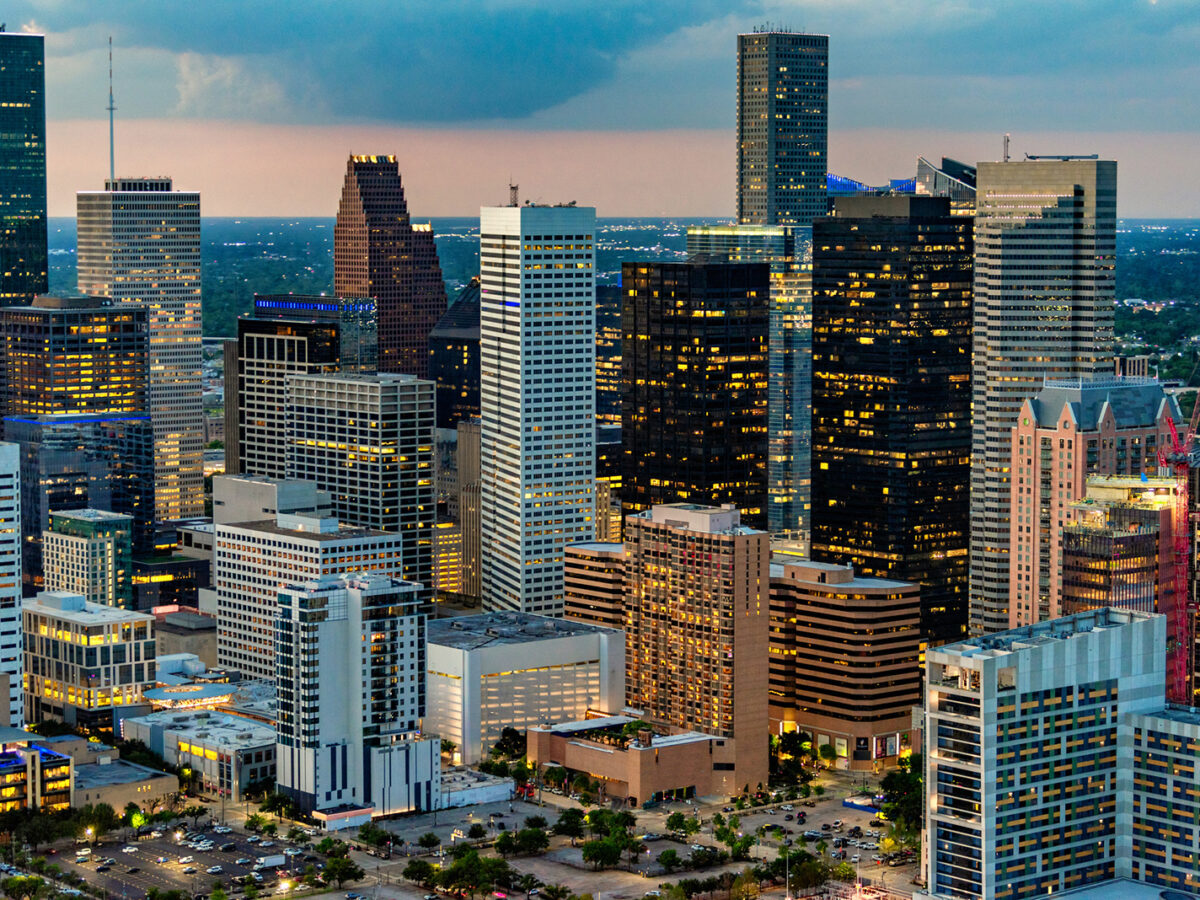
The Geometric Puzzle: The “Deep Floor Plate” Dilemma
The primary technical hurdle developers face during conversion is the original geometry of office buildings. Modern business centers were designed with what are known as “deep floor plates.” This means the distance from the perimeter floor-to-ceiling windows to the central elevator core can reach up to 60 or 80 feet.
In residential development, such depth is considered a critical flaw, and it is practically uninhabitable in its raw state. According to international and local building codes (IBC — International Building Code), every habitable room—whether a bedroom or a living area—must have direct access to natural light and fresh air. An office layout essentially turns the central portion of the floor into a “dead zone” where residential units cannot legally be placed.
Here is how Dallas engineering firms are solving this intricate geometric riddle:
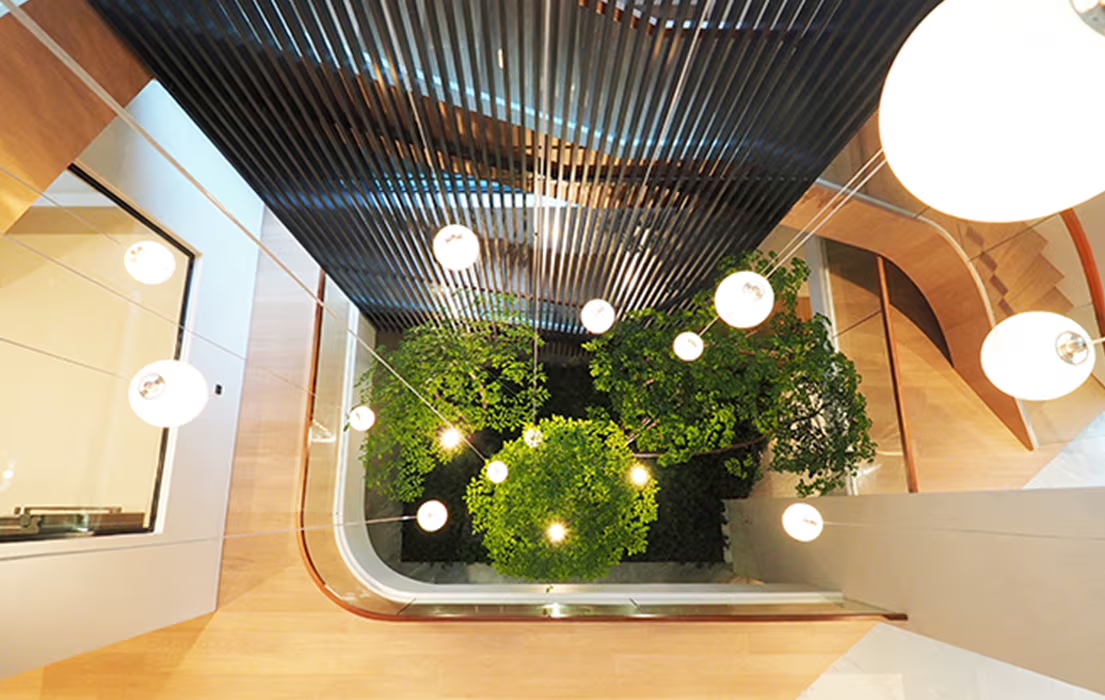
- Building Surgery: The Creation of Voids. This is the most radical and expensive solution, frequently applied in landmark projects like Santander Tower. Engineers perform a surgical removal of concrete slabs throughout the entire height of the building, effectively cutting a “hole” through the center of the skyscraper. This creates an internal atrium. Consequently, bedroom windows can now face an inner courtyard featuring vertical gardens rather than the street. While this reduces the total sellable square footage, it exponentially increases the value of every remaining square foot by providing unique views and air access.
- The “Deep Loft” Concept. Designers are turning depth into an advantage for high-end zoning. The space near the perimeter windows is reserved for open-plan living and dining areas. The inner part of the floor, deprived of natural light, is repurposed for secondary functions: massive walk-in closets, home theaters, laundry rooms, or spa-like bathrooms that do not legally require windows.
- Innovative Light-Tube Systems. Some of Dallas’s most forward-thinking projects are exploring hybrid lighting. Specialized mirror collectors on the roof track the sun and deliver natural light deep into the floor plate via fiber-optic shafts, illuminating corners located 60 feet from the facade.
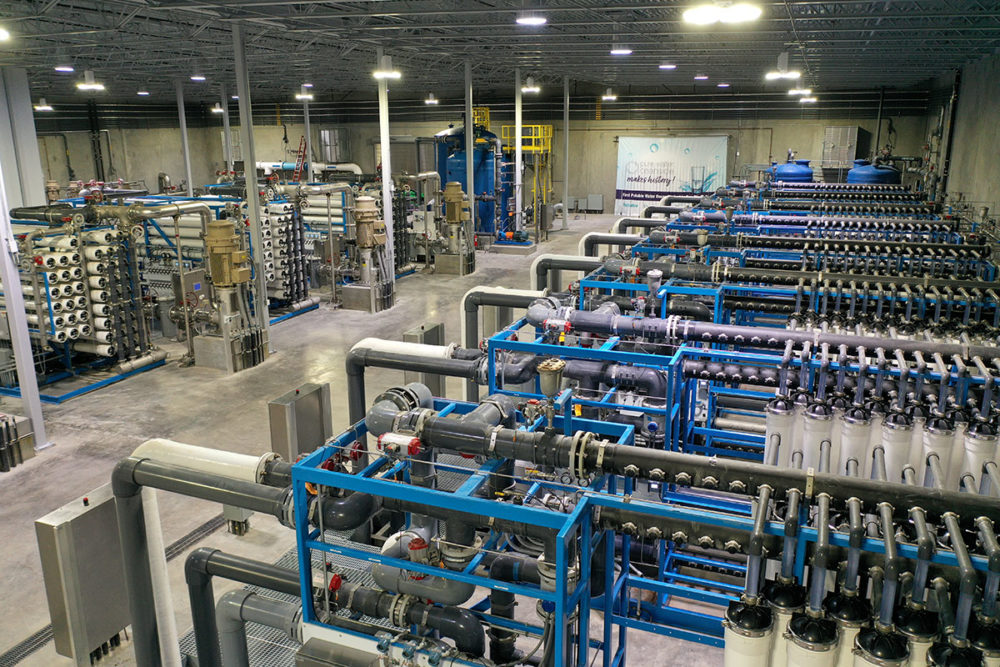
The Plumbing Revolution: From Two Hubs to Hundreds of Private Networks
An office skyscraper is an organism tuned for collective consumption. In its engineering DNA, each floor typically has only two massive plumbing hubs (men’s and women’s restrooms) located near the elevator lobby. Residential conversion requires a complete decentralization of water and sewage systems. Now, instead of two access points per floor, engineers must create forty or fifty individual connections for private kitchens and master bathrooms.
This stage is among the most costly and technically dangerous. Dallas towers from the “golden era” often utilized post-tensioned concrete. Inside these concrete slabs are steel cables pulled under immense pressure. Accidentally severing just one cable during the drilling of a new pipe hole could lead to a catastrophic structural failure of the entire floor. To prevent this, engineers utilize high-frequency GPR (Ground Penetrating Radar) scanning, creating a precise 3D map of the reinforcement before a single puncture is made.
Climatic Comfort and the “Breathing” Facade
The glass facades of Dallas’s legacy office towers are generally hermetic—windows do not open for safety reasons and to maintain the efficiency of centralized HVAC systems. However, for residents, the ability to open a window and feel the Texas breeze is a fundamental psychological and physical need.
- Facade Modernization. Engineers must either replace entire facade panels with new units featuring integrated operable sashes or install sophisticated mechanical ventilation systems with individual filtration for every apartment.
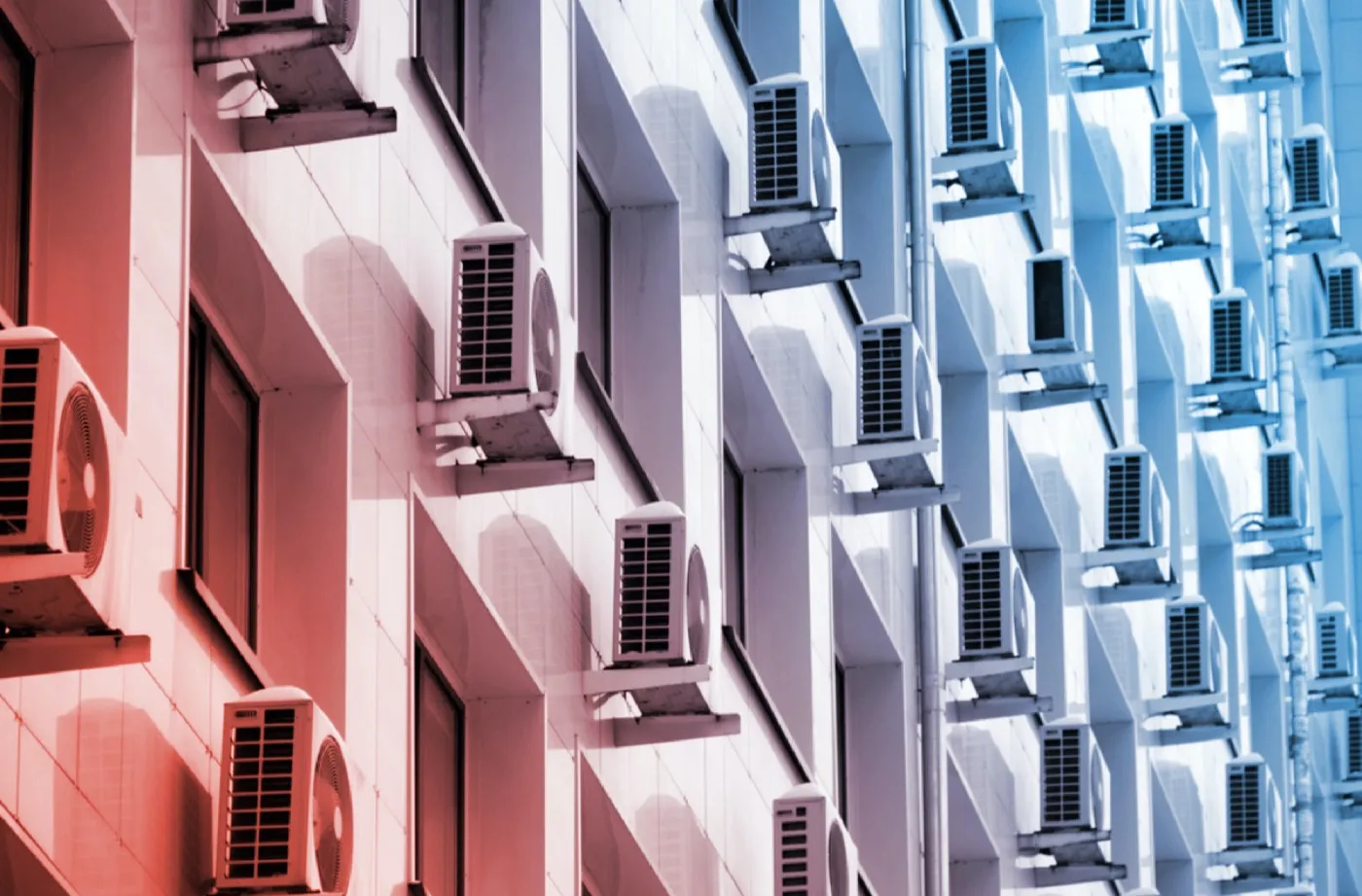
- Energy Efficiency and Thermal Regulation. Office HVAC systems (chillers) are designed to cool massive open-concept spaces. Residential requirements are different. Modern conversions utilize VRF (Variable Refrigerant Flow) systems, which allow one resident to heat their home while another cools theirs, ensuring surgical climate control with minimal energy waste.
The Environmental Footprint: Preserving “Embodied Carbon”
Office-to-Residential conversion is the ultimate form of sustainable development. Preserving the existing reinforced concrete frame—the embodied carbon—prevents the emission of tens of thousands of tons of CO₂ that would inevitably result from the demolition of an old building and the production of new cement.
Furthermore, Dallas is a leader in implementing greywater recycling systems. Water from sinks and showers undergoes multi-stage filtration and is reused for toilet flushing or automated irrigation of vertical gardens on balconies and terraces. In the arid Texas climate, this reduces a building’s potable water consumption by 35–45%.
Structural Stability, Vibration, and Acoustics
An interesting engineering paradox is that during conversion, the total load on the foundation often decreases. Offices packed with heavy archives, servers, and dense rows of furniture actually weigh more than residential units. However, this change in weight requires a complete recalculation of the building’s dynamic stability against wind loads.
Acoustics also represent a critical phase. Office slabs are notorious for conducting impact noise. To prevent the sound of footsteps from neighbors above, engineers apply multi-layer “floating floor” systems using specialized acoustic membranes. This adds about 2–3 inches to the floor thickness, requiring precise height calculations to maintain premium ceiling levels.
Safety and Intelligent Fire Suppression
Life safety systems in Dallas’s residential skyscrapers of 2026 are the pinnacle of engineering. Because residents occupy the building 24/7, evacuation protocols are significantly stricter than in business centers.
- Pressurization Systems. In the event of smoke detection, powerful turbines pump fresh air into stairwells, creating a “wall of air” that prevents smoke from entering evacuation routes.
- Addressable Fire Suppression. Each apartment is equipped with individual sensors that allow the system to pinpoint the fire’s origin and activate sprinklers only in the affected room, preventing water damage to the rest of the floor.
The reincarnation of office giants is not just a solution to the housing crisis. It is a triumph of human intelligence over aging forms, turning cold corporate boxes into living, breathing, and safe ecosystems that will serve Dallas for many decades to come.
Sources:
- https://kgip.com/white-house-unveils-office-to-residential-conversion-that-could-unlock-billions-for-projects/
- https://www.dmagazine.com/publications/d-ceo/2024/december/office-conversion-projects-in-dallas-are-gaining-steam-heres-what-it-means-for-downtown-real-estate-column/
- https://dallasinnovates.com/report-metro-dallas-is-no-3-in-the-nation-for-office-to-apartments-conversions/
