Trees, flowers, and other greenery have a positive impact on urban life. Green spaces, especially trees, purify the air by producing oxygen and protecting the city from dust, noise, and harmful gases. Today, we’ll talk about how greening efforts were carried out in Dallas during the mid-20th century. Read more about it on dallas-name.com.
Creating Parks and Green Squares
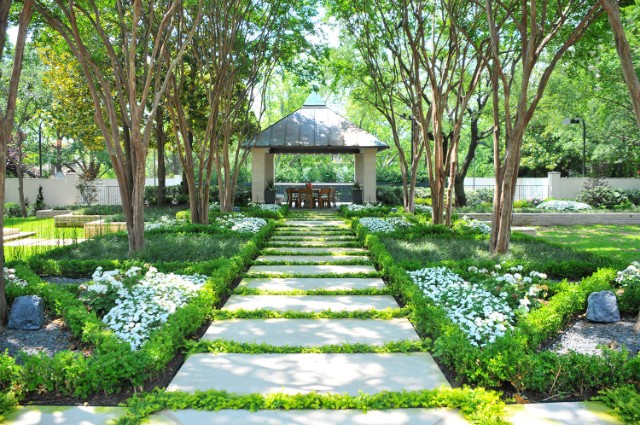
In the past century, urban greening was a vital part of Dallas’s development and improvement. The city experienced rapid urbanization and an economic boom, driven largely by the growth of the oil industry. However, after the construction of numerous industrial facilities, local residents began actively participating in the creation of parks, green boulevards, and flower beds.
During the 1950s and 1960s, public gardens and parks gained popularity across Dallas. The city primarily planted tree species suited to the local climate — oaks, maples, pines, and spruces. By the 1960s, significant greening projects were underway along the Trinity River, while city streets and residential neighborhoods were also being landscaped. Statistically speaking, the total green area in Dallas increased by 15–20% during that decade, making it one of the greenest cities in Texas at the time.
Several city-run greening programs were implemented in the mid-20th century. One of the most notable was the “Green Corridors” initiative, which focused on planting trees along major roads and in residential areas. During the same period, the city also began maintaining existing parks, improving lawns and flower beds, and creating botanical gardens.
Dallas Green Spaces Today
The consistent greening efforts of the past century played a major role in shaping modern Dallas, which now boasts a variety of green areas. Some of the main ones include:
- White Rock Lake Park. A vast urban park surrounding an 1015-acre lake, offering biking trails, picnic areas, and kayaking zones.
- Klyde Warren Park. A unique downtown park built over a freeway, featuring recreation zones, food courts, and playgrounds.
- Dallas Arboretum and Botanical Garden. Covering more than 66 acres, this botanical garden is a major tourist attraction, home to numerous flower exhibitions, exotic plants, and themed gardens.
- Trinity River Greenbelt. A stunning greenbelt along the Trinity River with walking and biking trails, scenic spots, and leisure areas.
- Cedar Hill State Park. A natural park just outside the city that features a variety of forest and wildlife ecosystems.
Green spaces are essential for the city’s environment. Trees help maintain a comfortable microclimate during hot summer days, purify the air, and protect the metropolis from noise and dust. Beautiful parks and gardens also serve as ideal places for relaxation, socializing, walks, and sports. A stroll through a city park not only boosts mood but also supports mental well-being.
In addition, greenery enhances a city’s appeal, supports tourism, and increases property values.
Overall, in the mid-20th century, Dallas underwent a major greening transformation. Both the government and local residents understood the importance of developing not just industry but also parks and green zones to improve the environment and urban infrastructure.
We hope this article was informative and helped you learn more about your city’s history.