

The need to preserve the environment and develop eco-consciousness is increasingly being addressed worldwide, including in Dallas. Every year the city produces 2.2 million tons of solid waste, which, if not sorted, accumulates in landfills, where they decompose for dozens or even hundreds of years. For example, nylon takes about 40 years to decompose, tin cans 500 years and plastic takes up to 1,000 years. The amount of trash is so large and dense that its decomposition generates methane, which is one of the decisive factors in accelerating global warming. Learn more at dallas-name.
How sorting saves the globe
Throwing unsorted trash into our trash cans, we do not think about the damage our seemingly innocent actions cause not only to the planet we live on but also to ourselves. Trash sorting doesn’t require much time, but it does a lot of good by preventing even more littering of the environment.
Left in a bulk load, the trash rots in landfills and pollutes the land and water bodies, destroying entire ecosystems. With a conscious approach, most of the landfill can be recycled and reused, along with reducing the number of landfills themselves.
For example, organic waste is subject to composting with subsequent transformation into fertilizers or biogas. Recyclable materials can be processed into new things. Even non-recyclable waste can be incinerated for energy.
How do they sort trash in Dallas?
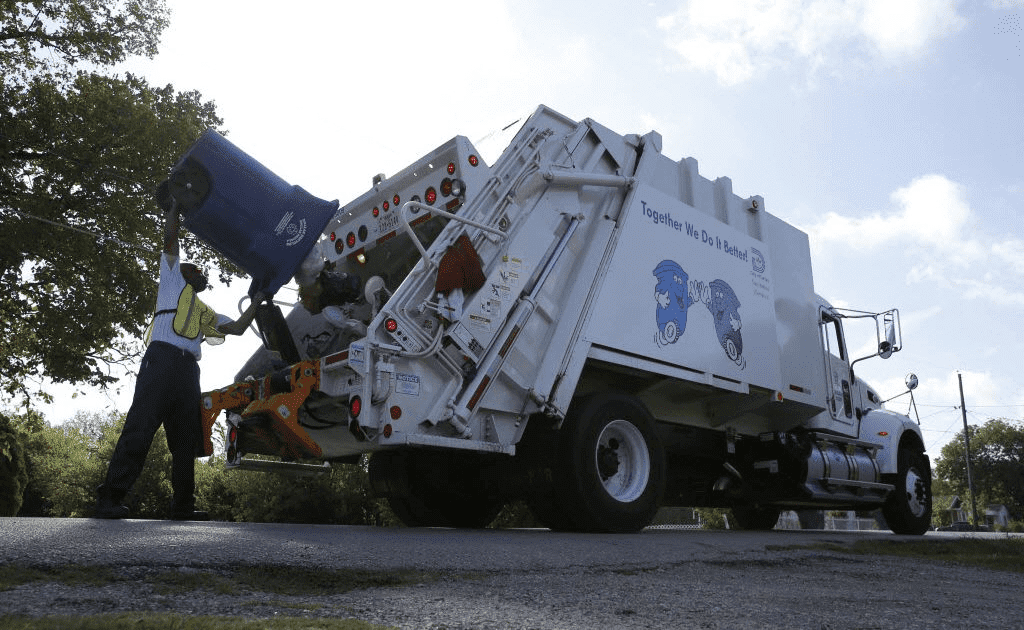
Dallas residents dispose of the trash by leaving it by the curbside near their homes. Once a month, a garbage truck picks it up and takes it to a landfill or recycling facility. For convenience, trash can be left in one of two types of containers, blue or gray.
In the blue container, they collect magazines and newspapers, cardboard and cartons of food products, metal and aluminum cans, glass bottles and jars, plus plastic containers, except for plastic bags and film. You just put all the garbage in the container. There is no need to fasten it, plus it is forbidden to put it in bags.
Instead, the trash in the gray containers is collected solely in polyethylene bags. People use them to collect ordinary organic waste such as leaf debris, grass clippings, fallen leaves and other garbage not listed for the blue containers and not classified as hazardous waste, as garbage trucks don’t pick it up.
Then, the trash outside is collected by sanitation workers in the city’s trash and recycling programs. They take it to McCommas Bluff Landfill. Every day up to seven thousand tons of garbage are brought here from all over the city.
Some items from the landfill get sent onward for recycling, such as televisions, printers, electronics and tires. McCommas Bluff recycles gravel and glass, which are used to repair roads and the landfill itself. Opposite the landfill is a recycling center that receives waste from the blue containers.
What to do with hazardous waste?
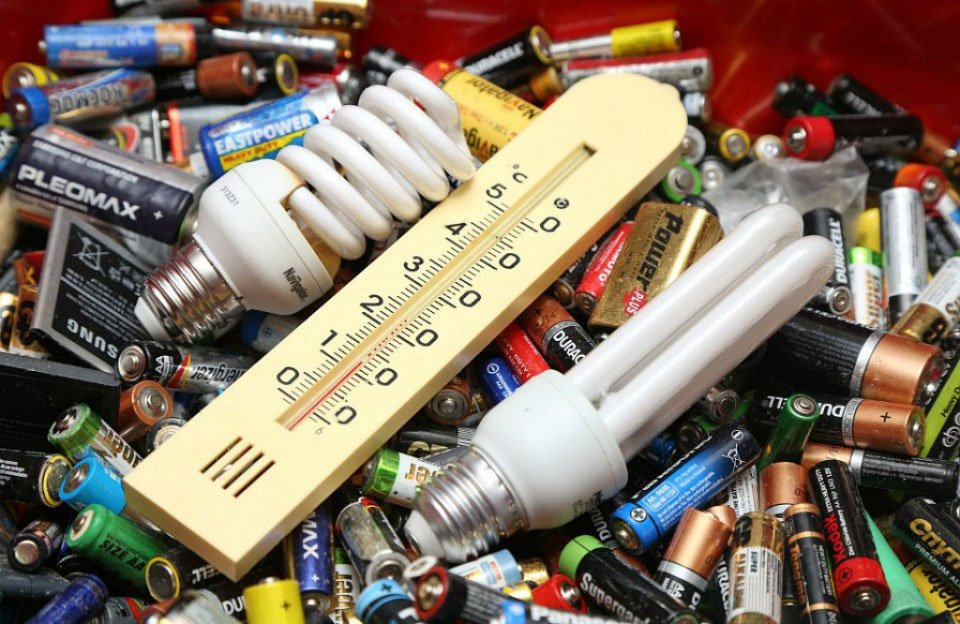
Household hazardous waste includes chemicals that can harm the environment. Among these are paints and construction debris, chemicals for the home, pool and yard, as well as aerosol sprays, cleaners and all kinds of batteries, lamps and household appliances containing hazardous materials, such as lead and mercury. When used technology is landfilled, toxic chemicals can leak into the soil and then enter the city’s water supply.
Such garbage can’t just be thrown in a trash can, dumped in a sewer, or left by the curbside. Accumulated hazardous waste should be taken to the City Of Dallas Home Chemical Collection Center, where it will be recycled or disposed of properly.